

Beyond the Beaches: The Estuary Experience
When one thinks of the Konkan coast, images of sun-drenched beaches and historic forts often come to mind. But nestled between the Western Ghats and the Arabian Sea lies a different world: a labyrinth of tranquil estuaries where freshwater rivers merge
with the saltwater of the ocean. These brackish waterways, fringed by dense mangrove forests, are the lifeblood of the coast. An estuary is a partially enclosed coastal body of water with one or more rivers or streams flowing into it, and with a free connection to the open sea. This unique mix of fresh and salt water creates one of the most productive and biologically diverse habitats on earth, acting as a critical nursery for countless marine species. Venturing into these estuaries offers a perspective on the Konkan that few travellers get to see.
A Seat at Nature's Table
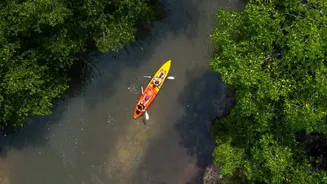
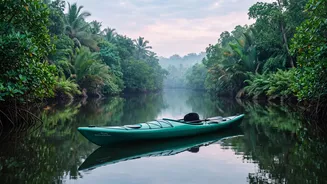
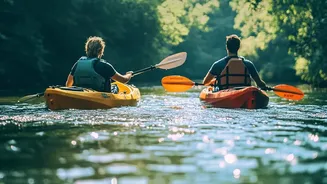
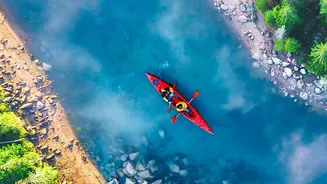
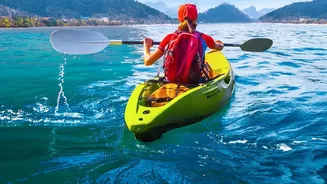
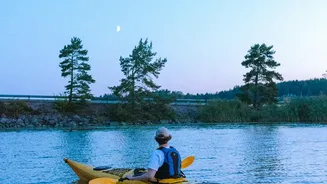
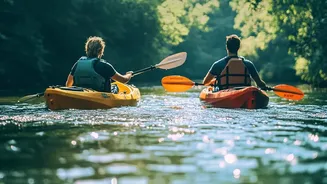
Motorboats and larger vessels create noise and disturbance, scattering wildlife long before you can get close. A kayak, however, changes everything. It is a low-impact, non-intrusive vessel that allows you to become part of the landscape. Paddling puts you at water level, offering an intimate, eye-level view of the ecosystem's intricate details. You move slowly and silently, making you a quiet observer rather than an intruder. This peaceful mode of travel allows for unparalleled proximity to wildlife. You are not just passing through the environment; you are immersed in it, feeling the gentle pull of the tide and hearing the subtle sounds of the mangrove forest. It’s an unhurried, meditative experience that fosters a deep sense of connection.
The World Within the Mangroves
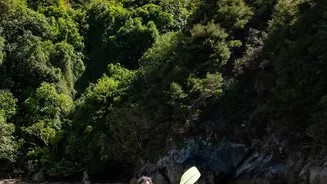
The mangrove forests, or 'Kandalvan' as they are locally known, are the stars of the estuarine ecosystem. With their tangled prop roots submerged in the muddy waters, they form a formidable natural barrier that protects the coast from storms and erosion. But their true magic lies in their role as a biodiversity hotspot. As you paddle through these green tunnels, you'll see a world teeming with life. The complex root systems are safe havens for juvenile fish, crabs, and shrimp, forming a crucial nursery for the region's fisheries. A recent study documented over 550 aquatic species in the Konkan's intertidal zones, including rare crabs and sea slugs. The water is a hive of activity, and the mangroves are the architects of this vibrant underwater city.
A Symphony of Birdlife
The rich marine life in the estuaries supports an equally impressive avian population. The Konkan coast is a paradise for birdwatchers, with its mix of habitats attracting over a hundred species. From a kayak, you are perfectly positioned to spot them. The flash of a blue wing might reveal a White-throated Kingfisher perched on a low-hanging branch, scanning the water for its next meal. Herons and egrets stalk the shallows with patient grace, while Brahminy Kites and Sea Eagles soar overhead. You may even spot the magnificent Malabar Pied Hornbill in the taller trees lining the banks. The quiet of the kayak allows you to listen to the diverse soundscape—from the whistles of a Malabar Whistling Thrush to the chirps of sunbirds and bulbuls.
Tourism That Nurtures
Choosing to explore the Konkan estuaries by kayak is more than just a holiday activity; it's a vote for sustainable tourism. Several local operators and community-led initiatives now offer guided kayaking tours. These ventures provide alternative livelihoods for coastal communities, reducing their dependence on fishing and creating a strong incentive to conserve the mangrove ecosystems they now showcase. By opting for an eco-friendly tour, travellers directly contribute to the preservation of this delicate environment. These guided trips are not just about paddling; they are educational experiences where local guides share their knowledge of the flora, fauna, and the crucial importance of mangrove conservation. It's a form of tourism that leaves a positive impact, fostering a cycle of appreciation and protection.