





A Landmark Directive for Passenger Safety
Indian Railways is set to implement a crucial expansion of its passenger safety net, extending its optional travel insurance scheme to include tickets purchased at station counters. This development comes after a directive from the Supreme Court in October
2026, which mandated the change to be effective from October 27, 2026. Until now, this insurance facility was only available to passengers booking their tickets online through the IRCTC website or mobile app, leaving out a vast number of travellers who rely on physical ticket counters. The court's decision aims to bridge this gap, ensuring that all passengers, including those from economically weaker sections without access to online services, have the opportunity to be covered.
What Does the Insurance Cover?
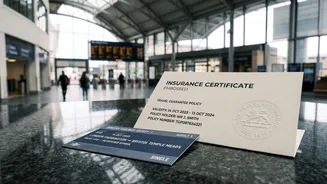
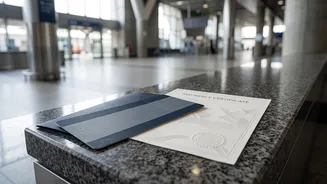
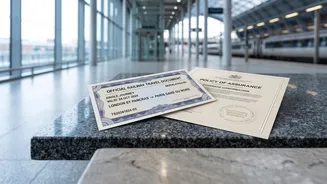
The existing railway travel insurance scheme provides significant financial support in the unfortunate event of a train accident or other 'untoward incidents' as defined by the Railways Act. For a very nominal premium, currently just 45 paise for online bookings, passengers are offered substantial coverage. This includes a sum of up to ₹10 lakh in the case of death or permanent total disability. The policy also covers permanent partial disability up to ₹7.5 lakh and provides up to ₹2 lakh for hospitalisation expenses. Additionally, it includes a provision of ₹10,000 for the transportation of mortal remains. This safety net is designed to provide critical financial relief to victims and their families during a time of crisis.
Closing the Gap for Counter Tickets
The exclusion of counter-ticket holders from the optional insurance scheme has been a point of discussion for some time. Millions of passengers, particularly in rural areas or those undertaking unplanned journeys, purchase unreserved or reserved tickets directly from station counters. The Supreme Court took note of this disparity, especially in the context of major incidents like the 2023 Odisha train accident, which highlighted the need for comprehensive safety measures for all travellers. The court flagged the lack of progress by railway authorities in devising a mechanism for offline ticket holders and therefore issued a direct order to implement the coverage. This move ensures that the safety net is not just for the digitally connected but for every passenger.
Implementation and What to Expect
The directive has set a clear deadline, but Indian Railways has yet to fully detail the mechanics of how the scheme will work for counter tickets. A key challenge is the collection of the nominal premium at busy ticket counters and the process of gathering passenger and nominee details, which is currently handled online after a booking is made. For the online system, passengers who opt-in are randomly assigned an insurer from a panel of companies and must provide nominee details through a link sent to them. A similar, efficient process will need to be established for the offline system. Passengers should look out for official announcements from the Ministry of Railways regarding the exact procedure to be followed at reservation counters from October 27, 2026 onwards.
Beyond Insurance: A Broader Look at Safety
This insurance extension is part of a broader, long-standing framework for passenger compensation and safety. Under the Railways Act, 1989, passengers or their dependents are entitled to claim compensation for death or injury resulting from accidents or untoward incidents, with claims adjudicated by the Railway Claims Tribunal. The compensation amounts under these rules were doubled in recent years, with up to ₹8 lakh payable for death or severe disability. The optional insurance scheme acts as an additional layer of financial protection over and above this statutory compensation. The new directive reinforces the principle that the welfare and safety of every single passenger is a primary responsibility.