


The Heart of the Fast: What's Allowed
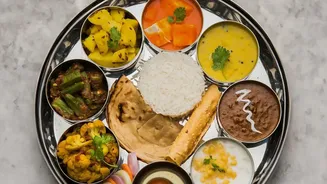
At the core of Navratri observances for many is the ‘vrat’ or fast. This isn't about deprivation but about discipline and purity. The rules, often passed down from grandparents, are specific: grains like wheat and rice are avoided, as are lentils, onions,
and garlic. Regular table salt is replaced by sendha namak, or rock salt, which is considered a purer, unprocessed alternative that's gentler on the digestive system during a fast. Instead, the Navratri pantry is stocked with a unique set of ingredients. Flours made from buckwheat (kuttu), water chestnut (singhara), and amaranth (rajgira) become the staples for making puris, cheelas, and rotis. Tapioca pearls (sabudana), barnyard millet (samak rice), and a variety of fruits, nuts, and dairy products form the backbone of vrat ka khana, or fasting food. These ingredients are not just alternatives; they are sattvic, believed to promote a calm and clear state of mind conducive to prayer and reflection.
North India: Hearty and Wholesome Feasts
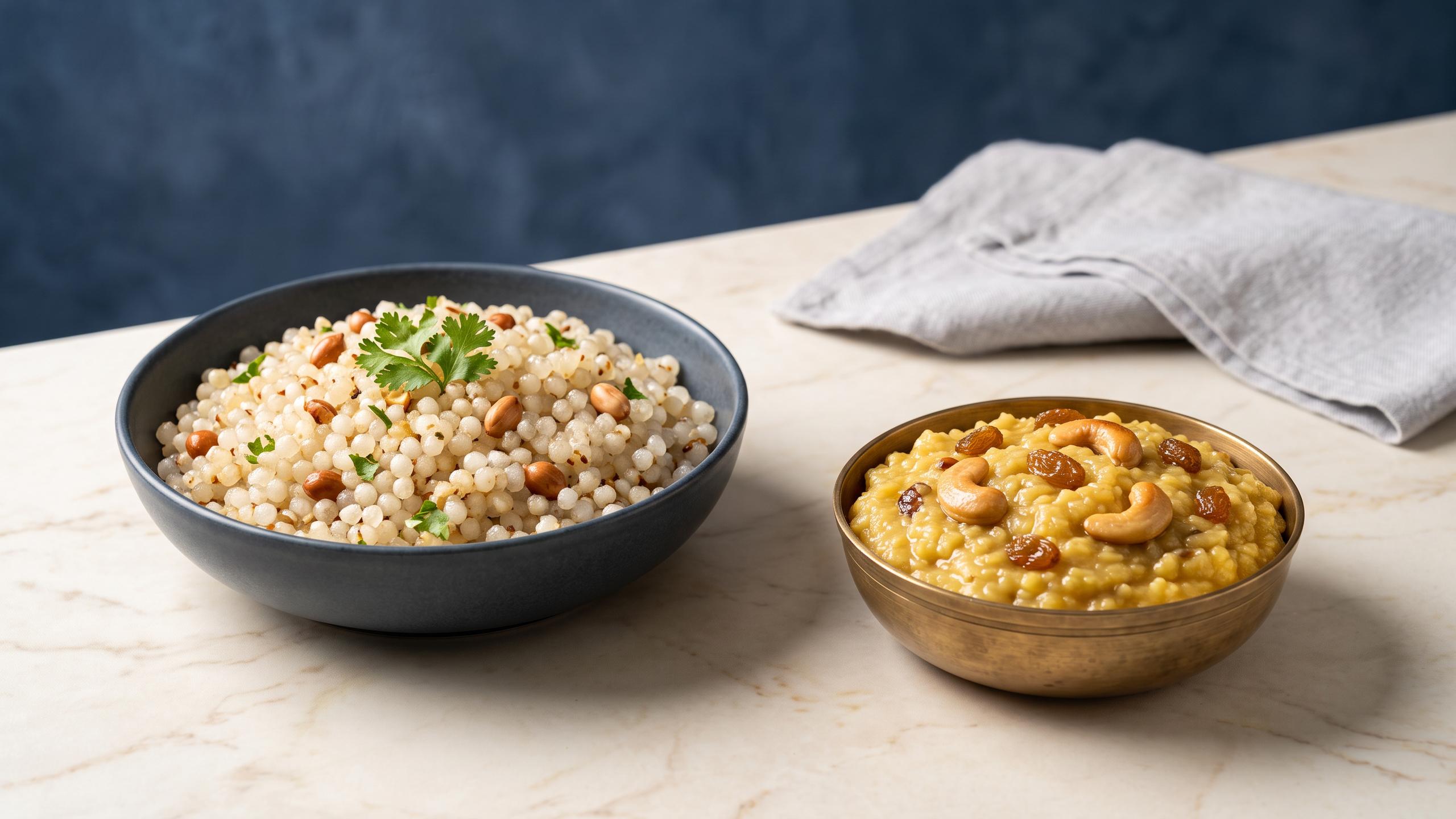
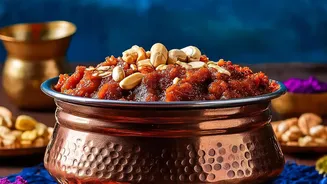
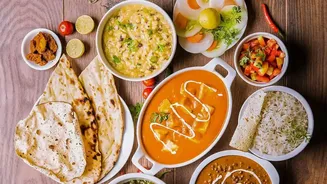
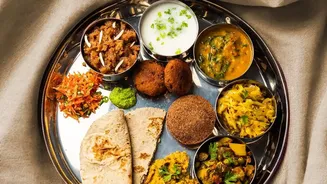
In North India, the Navratri platter is a testament to making simple ingredients shine. Here, family recipes for Kuttu ki Puri, a deep-fried bread made from buckwheat flour, are treasured. These are often paired with a simple yet flavourful potato curry, cooked without onion or garlic but spiced with cumin and green chillies. Another beloved dish is Sabudana Khichdi, a delightful preparation of soaked tapioca pearls tossed with roasted peanuts and boiled potatoes. While shared across many regions, the Northern version is a staple. For those with a sweet tooth, Singhare ka Halwa, made from water chestnut flour and ghee, provides a rich and comforting end to a fasting day's meal. The eighth or ninth day often concludes with Kanya Pujan, where nine young girls are revered and served a special meal of poori, sooji halwa, and sookha kala chana (dry black chickpeas).
West India: A Symphony of Snacks
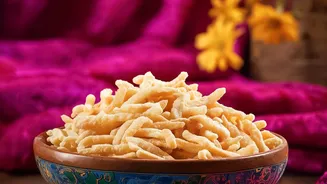
In Gujarat and Maharashtra, Navratri food is deeply intertwined with community and the energetic nights of Garba. The fasting cuisine, known as 'farali,' is designed to provide energy. In Maharashtra, Sabudana Vada, a crispy, deep-fried patty of tapioca pearls and potatoes, is a household favourite. In Gujarat, the fast is an opportunity to get creative with snacks like farali dhokla and patties. These traditions are a perfect example of how fasting rules are interpreted by families. As many observers dance through the night, these energy-dense foods, prepared from family recipes, are essential. Households often run two parallel kitchens—one for the farali dishes and one for those not fasting, ensuring everyone partakes in the festive spirit.
East India: Feasting for Durga Puja
In West Bengal, Navratri coincides with Durga Puja, the region's biggest festival. Here, the culinary tradition leans towards feasting rather than fasting. From the sixth day, Shashti, the air is filled with the aroma of elaborate meals. The most significant offering is the 'bhog'—food offered to Goddess Durga and then distributed to devotees. The star of this offering is a special Khichuri, a fragrant one-pot dish of roasted moong dal and gobindobhog rice, cooked with vegetables and spices, typically without onion or garlic. This is often served with Labra, a mixed vegetable delicacy, and Beguni (fried eggplant slices). The flavours are distinct, often using mustard oil and a unique Bengali five-spice mix called panch phoron, a practice that gives Bengali festive food its signature taste.
South India: The Golu and Sundal Tradition
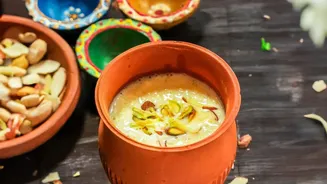
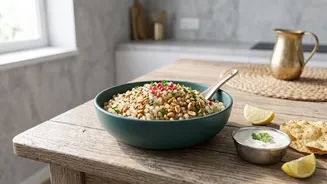
In the Southern states of Tamil Nadu, Karnataka, and Andhra Pradesh, Navratri is celebrated with the beautiful tradition of 'Golu' or 'Kolu'—an elaborate display of dolls depicting deities and scenes from mythology. Here, food is a social glue. Each evening, as friends and family visit to see the Golu displays, they are offered a special prasadam. The most iconic of these is Sundal, a simple and healthy snack made from different legumes like chickpeas, black-eyed peas, or green gram. Each day of Navratri might feature a different kind of sundal, seasoned with mustard seeds, curry leaves, and fresh coconut. Besides sundal, sweet offerings like Payasam (kheer) are also common. This tradition of preparing and sharing a different dish each day is a beautiful expression of hospitality and community bonding.