


The Great Monsoon Makeover
Rajasthan, a state synonymous with golden sands and sun-baked forts, is experiencing a remarkable transformation, not just in its landscape but in its tourism calendar. Traditionally considered the off-season, the monsoon months from July to September
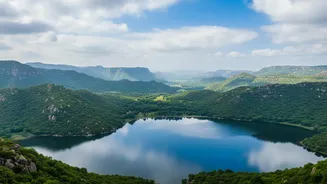
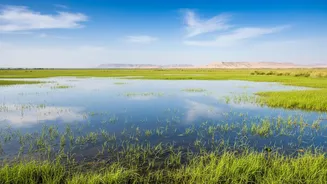
are now seeing a significant influx of travellers. According to travel industry experts, this trend, dubbed 'green tourism', is driven by a desire to see the state shed its arid image for a cloak of vibrant green. The intermittent rains wash the dust away, fill the lakes to the brim, and turn the rugged Aravalli range into a lush, verdant backdrop, offering a perspective of Rajasthan that few have experienced. Improved road connectivity and a growing appetite for unique, experience-led getaways have also fuelled this shift, with visitors finding the cooler temperatures and less-crowded sites an irresistible combination.
Udaipur: The City of Lakes, Reborn
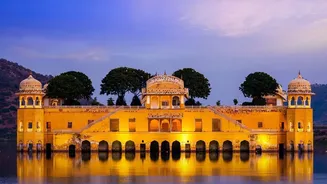
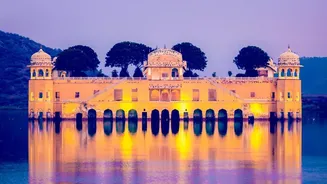
Nowhere is the monsoon's magic more apparent than in Udaipur. The city, often called the 'Venice of the East', truly lives up to its name during the rains. Lakes Pichola and Fateh Sagar, which can recede during the hot summers, swell to their full, picturesque glory. Boat rides become a journey across vast, shimmering expanses, with the City Palace and Jag Mandir appearing to float against a backdrop of moody, cloud-laden skies. The surrounding hills, including the one topped by the aptly named Sajjangarh Monsoon Palace, are covered in a fresh carpet of green, offering breathtaking panoramic views that are a world away from the dry-season vistas. The romantic atmosphere is palpable, making it a favoured destination for couples and photographers.
Mount Abu: A Hill Station in the Clouds
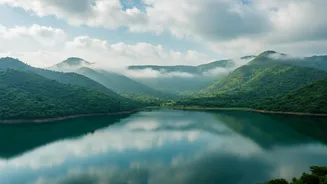
As Rajasthan's only hill station, Mount Abu has always been a refuge from the heat, but the monsoon elevates it to another level of charm. The area becomes a misty paradise where clouds drift lazily through the valleys and across the roads. The famous Nakki Lake fills up, inviting serene boat trips, while dormant waterfalls in the surrounding forests spring to life. The drive up the winding hill roads is an experience in itself, with each turn revealing another stunning view of the rain-washed landscape. For those seeking cooler temperatures and a classic hill station experience, complete with mist-covered viewpoints and lush greenery, Mount Abu is the definitive monsoon pick in Rajasthan.
Jaipur's Forts Against a Green Canvas
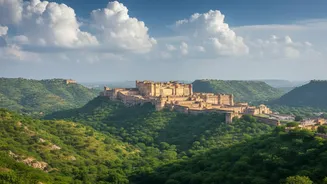
The capital city of Jaipur also offers a surprisingly different character during the monsoon. The iconic forts of Amer, Nahargarh, and Jaigarh, usually seen against a brown or dusty backdrop, are dramatically transformed. They stand proudly against lush green hills under a sky filled with dramatic clouds, creating stunning photographic opportunities. A drive to Nahargarh Fort, which overlooks the entire city, provides a spectacular view of a greener, cleaner Pink City. The drop in temperature makes exploring these sprawling historical complexes much more pleasant than during the scorching summer months. Even the stepwells around the city, like Panna Meena Ka Kund, fill with water, adding another layer of historical and visual appeal.
Bundi and Banswara: The Hidden Gems
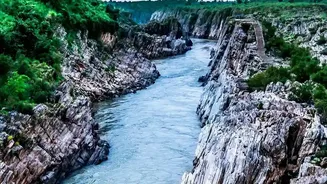
Beyond the well-trodden tourist trail, the monsoon reveals Rajasthan's true hidden treasures. Bundi, known as the 'City of Stepwells', becomes a water-world, with its more than 50 ancient baoris filling with rainwater. The town’s crumbling palaces and hillside fort take on a romantic, forgotten-world feel amidst the greenery. Even more offbeat is Banswara in the state's south. Nicknamed the 'City of a Hundred Islands' and the 'Cherrapunji of Rajasthan', it receives the highest rainfall in the state and undergoes a radical transformation. The Mahi River and its surrounding water bodies create a landscape of countless islands and lush vegetation that feels more like Kerala or Meghalaya than Rajasthan.