





Choosing a new hobby can feel like a big commitment. Both hiking and skateboarding offer a path to the outdoors and physical fitness, but they present wildly different journeys for a beginner. Understanding their unique learning curves is key.
The First Hour: Immediate Experience
The initial
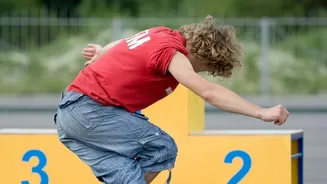
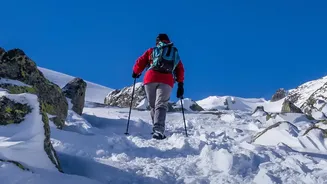
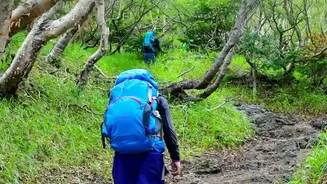
barrier to entry is arguably the biggest distinction between the two activities. For hiking, the first hour is intuitive. If you can walk, you can hike. A beginner trail is simply a walk on an unpaved surface, perhaps with a slight incline. The challenge comes from duration and terrain, not from a brand-new skill. Your first hike is often a success just by completing it. In stark contrast, the first hour of skateboarding is an exercise in basic survival. Finding your balance on a board that rolls and tilts is the primary, and often frustrating, goal. You will likely spend this time learning to simply stand, push off without falling, and make wide, clumsy turns. Success is measured in seconds spent upright, not kilometres covered.
Physical Skills: Endurance vs. Technicality
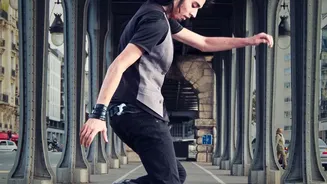
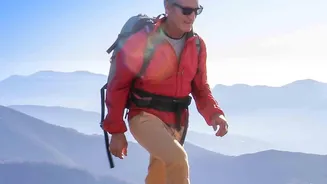
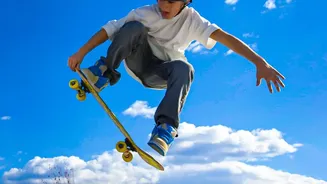
Hiking primarily builds cardiovascular endurance and lower-body strength. The skill is in pacing yourself, managing energy over several hours, and navigating uneven ground. Progression is linear: you walk further, climb higher, or tackle more rugged trails. It's a test of stamina. Skateboarding is a discipline of explosive, technical movements. It demands exceptional balance, core strength, and fine-motor control in your ankles and feet. Progress isn't measured in distance but in the mastery of specific tricks. Learning to push and cruise is the first step, but the learning curve spikes dramatically when you attempt your first real trick, like an ollie (jumping with the board). Each trick is its own steep mountain to climb.
The Mental Game: Preparation vs. Fear
The mental challenge in hiking revolves around planning and awareness. Did you check the weather and trail conditions? Do you have enough water and snacks? Do you have a map and know how to read it? A successful hike is often the result of smart preparation before you even leave the house. While hiking requires paying attention to your surroundings, skateboarding demands intense, split-second focus. The core mental battle for a beginner is overcoming fear. Falling is not a possibility; it is a certainty. Learning to skate means learning to fall, getting back up, and trying again despite the scrapes and bruises. This repetitive cycle of failure is a mental hurdle many find difficult to clear.
Cost of Entry and Gear
You can start hiking relatively cheaply. The most crucial investment is a pair of comfortable, sturdy shoes. While you can spend hundreds or even thousands on advanced gear, a beginner can get by with a basic backpack, water bottle, and appropriate clothing. Many initial costs can be kept under ₹8,000. Skateboarding has a more defined initial cost. A decent quality complete skateboard for a beginner typically costs between ₹4,000 and ₹12,000. Cheaper boards from department stores are often discouraged as they can be harder to ride and break easily. Furthermore, protective gear—a helmet, wrist guards, and knee pads—is considered essential, adding to the initial investment.
Risk, Injury, and Recovery
Injuries in both activities are common, but they differ in nature. Beginner hikers often suffer from blisters, muscle soreness, twisted ankles, and dehydration. These are typically issues of overuse or lack of preparation. Skateboarding injuries are almost always impact-related. Scrapes, bruises, and sprains are rites of passage. More serious injuries like broken bones (especially wrists and ankles) and head injuries are a significant risk, which is why protective gear is so important. The recovery from a bad fall can sideline a skater for weeks, interrupting the learning process.