



An Ancient Craft Meets Modern Hurdles
Terracotta, or “baked earth,” is woven into India’s cultural fabric, with a history stretching back to ancient civilizations. For generations, artisans in regions like West Bengal, Rajasthan, and Kutch have passed down the skills to create everything
from water pots to divine figurines. However, in the face of mass-produced metal and plastic alternatives, many of these craftspeople found themselves struggling. Key challenges included a lack of direct market access, competition from cheaper industrial goods, and designs that, while traditional, didn't always align with the functional or aesthetic needs of contemporary urban consumers. This often left artisans with inconsistent income and forced younger generations to seek livelihoods outside their hereditary craft.
The Design Lab Intervention
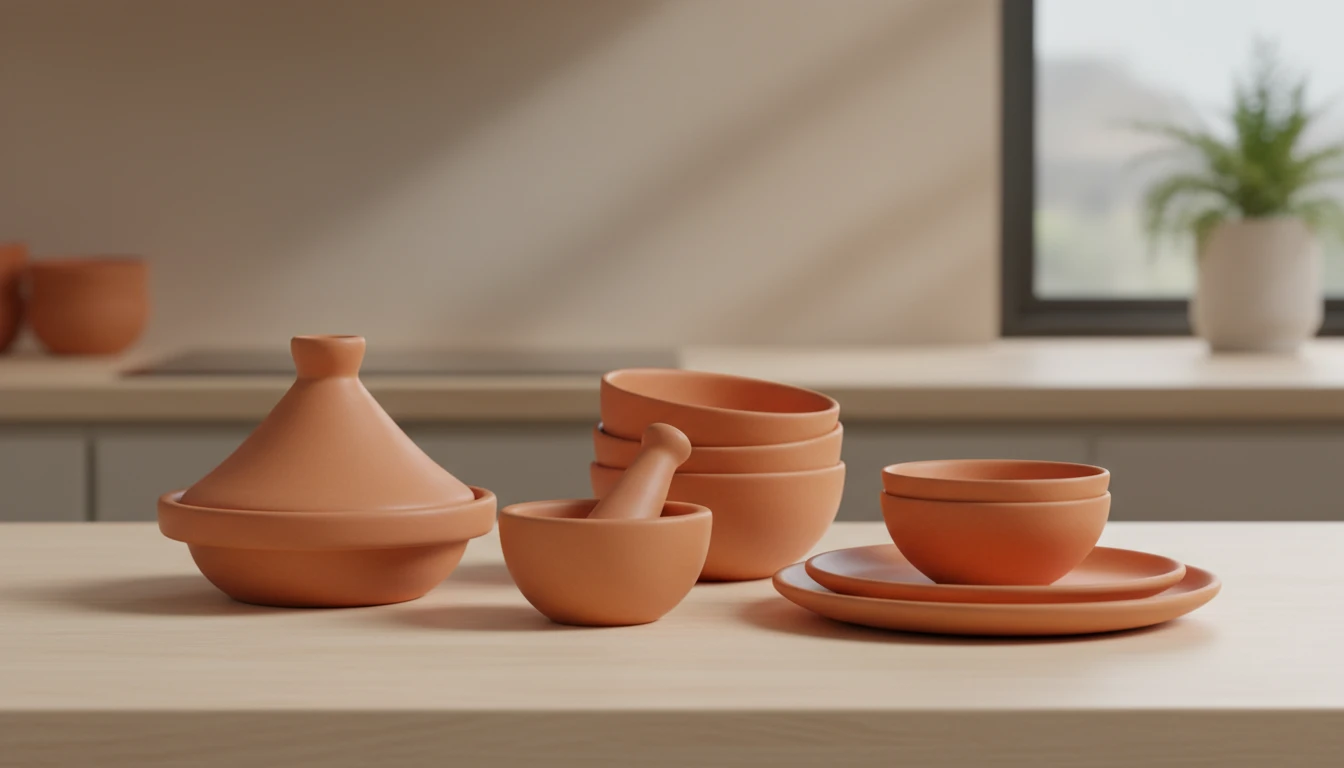
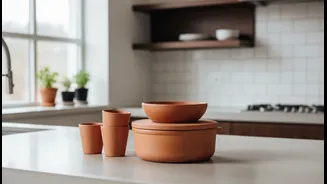
Enter the urban design lab. Over the past decade, a new wave of designers and entrepreneurs has begun to see the immense value locked within these pottery clusters. These labs and design-led brands act as a crucial bridge. They don't just place orders; they engage in deep collaboration. Their contribution is multifaceted: they conduct market research to understand what the modern consumer wants, whether it's a curd-setter with a chic wooden lid, an ergonomically designed baking dish, or a water bottle that looks minimalist and modern. They introduce innovations in form and function, ensuring products are not only beautiful but also practical for today's kitchens—for example, by improving durability or making items microwave-safe.
A Partnership in Practice
This collaboration is a two-way street. Designers bring contemporary aesthetics and market knowledge, while artisans bring their deep, embedded knowledge of the material and ancestral techniques. The process often involves co-creation, where designers work alongside artisans to develop new product lines. Brands like Zishta, Terracotta by Sachii, and Swadeshi Blessings are built on this model. They connect with artisan clusters across the country, from Molela in Rajasthan to the pottery hubs of Kutch. By marrying the artisans' handcrafting skills with refined designs, they create products that resonate with a new audience. This partnership also helps formalize the supply chain, ensuring better quality control and a consistent brand story that champions the makers.
More Than Just a Product
The result is more than just a beautiful pot. For the consumer, it's an opportunity to own a sustainable, healthy, and eco-friendly product with a story. Cooking in clay is celebrated for its health benefits, including retaining nutrients and reducing the need for excess oil. For the artisans, this revival means a sustainable livelihood, renewed pride in their craft, and the preservation of their heritage for future generations. By eliminating middlemen and connecting potters directly to a wider market through e-commerce, these collaborations ensure artisans receive a fairer share of the profits. Projects like Rivaayat, started by college students, have shown how this model can empower artisans to become entrepreneurs themselves.
The Path Forward
While the model is successful, it is not without challenges. Maintaining authenticity while scaling production is a delicate balance, and ensuring fair compensation and intellectual property rights for artisans remains a constant focus. The high cost of handcrafted goods can also be a barrier in a price-sensitive market. However, the success of this collaborative movement demonstrates a powerful shift in consumer consciousness. There is a growing desire for products that are not just objects but are emblems of culture, sustainability, and human connection. The terracotta revival proves that the future of Indian craft may not lie in simply preserving the past, but in thoughtfully and respectfully reinventing it for the present.