






Choosing Pots and Preparing the Soil
The foundation of a healthy balcony garden is the right container and soil. For basil and curry leaves, choose pots at least 8-12 inches deep and wide to allow for root growth. Mint is an aggressive spreader, so it's best to give it its own separate pot to prevent
it from taking over. Terracotta or clay pots are excellent as they allow the soil to breathe and prevent waterlogging. For an organic setup, avoid using dense garden soil, which compacts easily in pots. Instead, create a well-draining mix by combining equal parts potting soil, compost or well-rotted manure, and either coco peat or sand. This ensures your herbs have the aeration and nutrients they need to thrive.
Growing Basil (Tulsi)
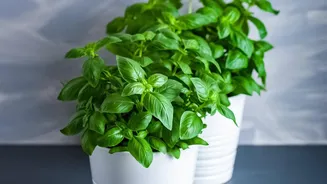
Basil, a staple in many Indian households as Tulsi, loves warmth and sunlight. It needs at least 6-8 hours of direct sun daily to produce flavourful leaves. If you're starting from seeds, sow them lightly on the surface of your prepared soil and cover with a thin layer. Keep the soil consistently moist until germination. Once the plant is established, water when the top inch of soil feels dry. The key to a bushy basil plant is regular harvesting. Once the plant has a few sets of leaves, pinch off the top set. This encourages the plant to branch out, giving you more leaves to enjoy in your teas, curries, and chutneys. Regularly removing flower buds will also prolong the plant's life and keep its energy focused on leaf production.
Taming Mint (Pudina)
Mint, or Pudina, is one of the easiest herbs to grow, but also one of the most invasive. Its runners will quickly fill any space, so always plant it in its own container. You can easily propagate mint from a healthy sprig from the supermarket. Simply place the stem in a glass of water, and roots should appear in about a week. Once the roots are a few centimetres long, plant it in your prepared pot. Mint prefers consistently moist soil and can tolerate a bit of shade, though it does well in the sun too. Harvest regularly by snipping stems to encourage fuller growth and to have a constant supply for raita, chutneys, and refreshing drinks.
Nurturing the Curry Leaf Plant (Kadi Patta)
The curry leaf plant, or Kadi Patta, is a slow-growing perennial that can thrive in a pot for years with proper care. It loves full sun, needing at least 6-8 hours daily to develop its signature aroma. Start with a small plant from a nursery for the best results. Use a deep pot (at least 12 inches) to accommodate its root system. Curry leaf plants prefer their soil to be on the drier side, so water only when the top inch or two of soil is dry. Overwatering is a common mistake and can lead to root rot. To encourage a bushy plant rather than a single leggy stem, prune the tips regularly once the plant is about a foot tall. This will promote branching and give you a more generous harvest.
Organic Feeding and Pest Control
To keep your herb garden organic, feed your plants every 4-6 weeks with natural fertilisers. Compost tea, diluted buttermilk, or a handful of vermicompost are excellent choices that provide a steady supply of nutrients. Pests like aphids and mealybugs can sometimes appear. The first line of defence is a strong spray of water to dislodge them. For persistent issues, a simple, homemade neem oil spray is highly effective and safe for edible plants. Mix 5ml of neem oil and a few drops of liquid soap in one litre of water, shake well, and spray on the leaves (especially the undersides) in the evening to avoid burning the foliage.