





The Psychology of Frictionless Spending
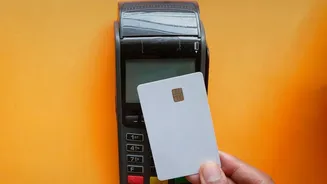
Every time you tap to pay for a coffee or scan a QR code for street food, you're engaging in a frictionless transaction. Unlike handing over physical cash, digital payments create a psychological detachment from the act of spending. This phenomenon, sometimes
called 'Spendception', reduces the 'pain of paying'—that small, healthy hesitation you feel when your wallet gets lighter. Because the financial impact isn't immediately visible or tangible, it becomes much easier to make impulse purchases without fully considering the consequences. Over a month, hundreds of these tiny, seemingly insignificant payments can add up to a significant, unplanned hole in your budget.
Hack 1: Use Your Bank, Not the UPI App
Here's the most important thing to know: popular UPI apps like Google Pay, PhonePe, and Paytm do not currently allow you to set your own custom daily spending limits. The standard ₹1 lakh daily limit is set by NPCI and your bank, which is far too high for controlling impulse buys. The real power lies with your bank. Many major banks allow you to manually adjust your daily UPI transaction limit through their own net banking portal or mobile app. Log in to your bank's platform and look for sections like 'Manage Limits' or 'UPI Settings'. By lowering your daily UPI cap from the default ₹1 lakh to something more reasonable, like ₹1,000 or ₹2,000, you create a hard stop for your spending. This is the most effective way to enforce a daily budget.
Hack 2: Create a Dedicated 'UPI-Only' Account
One of the most powerful strategies is to separate your spending money from your salary and savings. Open a secondary, zero-balance digital savings account with a new bank. At the beginning of each month, transfer only your designated 'spending budget' for discretionary items (like food, entertainment, and shopping) into this new account. Then, link this secondary account—and only this account—to your primary UPI app. Your main salary account remains safely unlinked and untouched for daily transactions. When the money in your UPI-linked account runs out, your transactions will simply fail. This forces you to stop and consciously decide if you need to transfer more, effectively breaking the cycle of mindless spending.
Hack 3: Leverage UPI Lite for Small Spends
For very small, frequent purchases, consider using UPI Lite. This feature, available within most major UPI apps, is a separate on-device wallet that you can load with a small amount of money. It has its own, much lower limits—typically around ₹1,000 per transaction with a daily cap. Think of it as the digital equivalent of carrying a small amount of cash. Use it for your daily chai, bus fare, or snacks. By pre-loading a fixed amount, you cap your potential impulse spending for these minor items without touching your main bank balance for each transaction.
Hack 4: Automate Your Expense Tracking
You can't manage what you don't measure. While UPI apps show a transaction history, they don't always provide insightful analysis. The key is to make tracking automatic. Several third-party apps are designed for the Indian market and can help you get a clear picture of your spending habits. Apps like BillShot allow you to track spending by sharing payment screenshots, using AI to automatically categorise the expense without manual entry. Others, like FinArt or MoneyMind, can read your transaction SMS alerts to log and categorise every UPI and card payment, giving you a detailed breakdown of where your money is truly going. Seeing a visual chart of how much you've spent on 'eating out' can be a powerful motivator to cut back.
Hack 5: Enable Every Possible Alert
Information is your best defence. Go into your bank's app settings and ensure that you have enabled SMS and email alerts for every single UPI transaction, no matter how small. While your UPI app provides a push notification, these can be easily dismissed or missed. A separate SMS and email create a stronger psychological impression of money leaving your account, reintroducing a bit of that friction you lost. This constant stream of alerts serves as a real-time reminder of your spending activity, making you more aware and, consequently, more mindful of your purchasing decisions.