


The Lure of the 'Convenient' Snack
We live in a world built for speed, and our food choices often reflect that. Packaged junk food—from crispy wafers to instant noodles and mass-produced cookies—offers the tempting promise of instant gratification. They are engineered to be hyper-palatable,
combining fat, salt, and sugar in ways that our brains find hard to resist. The problem is that this convenience comes at a cost. Most of these products are made from refined flour, loaded with preservatives, unhealthy fats, and empty calories. They cause sharp spikes in blood sugar, leading to the inevitable crash that leaves you feeling tired, sluggish, and hungry for more. This cycle can contribute to long-term health issues and provides very little of the sustained energy we actually need to get through the day.
Enter the Versatile Thepla
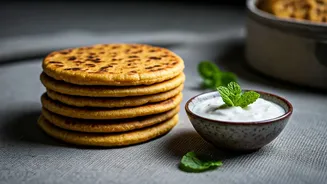
Now, consider the humble thepla. This Gujarati flatbread is a cornerstone of Indian home cooking for a reason. Made traditionally with whole wheat flour (atta), spices, and often incorporating vegetables like fenugreek (methi) leaves, it is a powerhouse of flavour and nutrition. Unlike its factory-made counterparts, a homemade thepla is free from the long list of unpronounceable ingredients found on junk food labels. It’s a real food, made with simple, wholesome ingredients. Its genius lies in its simplicity and its design for portability. Theplas were made for journeys, designed to stay soft and delicious for days without refrigeration, making them the original, all-natural convenience food.
A Healthier Choice, Bite for Bite
When you compare a thepla to a typical packaged snack, the nutritional difference is stark. The whole wheat flour inplas provides essential dietary fibre, which aids digestion and promotes a feeling of fullness, preventing overeating. Refined flour snacks do the opposite. The addition of greens like methi or spinach boosts the vitamin and mineral content, adding iron and other micronutrients. The spices used, such as turmeric and ajwain (carom seeds), are not just for flavour; they are known for their digestive and anti-inflammatory properties. While theplas do contain oil, you control the amount and type when you make them at home. A lightly-oiled thepla offers sustained energy from complex carbohydrates and healthy fats, a far cry from the fleeting rush of a sugary snack.
The Ultimate Travel and Tiffin Companion
The practicality of thepla is where it truly outshines junk food. For train journeys, long flights, or family road trips, a stack of theplas wrapped in foil is a lifesaver. They don’t crumble like biscuits, don’t have noisy wrappers, and provide a genuinely satisfying meal on the go. Eaten on their own or with a dash of pickle or a dollop of yogurt, they are a complete snack. This makes them perfect for kids' tiffin boxes, too. Instead of sending them to school with a packaged snack that offers little nutritional value, a rolled-up thepla provides the steady energy they need to focus and learn. It’s a piece of home that nourishes them, even when they’re away.
Beyond the Classic: Endless Variations
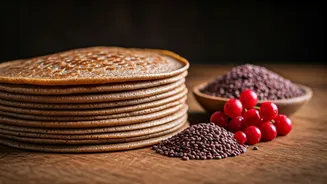
The beauty of the thepla is its adaptability. While methi thepla is the classic, the possibilities are endless. You can grate bottle gourd (dudhi/lauki) into the dough for an incredibly soft texture and added fibre. You can mix in pureed spinach (palak) for a boost of iron, or add shredded carrots and beets for colour and nutrients. For an even healthier twist, try making them with multigrain flour, incorporating ragi or jowar for a different flavour profile and added benefits. This versatility ensures that you never get bored and can tailor the recipe to suit your family’s tastes and nutritional needs.