




The Perfect Storm for Digital Fitness
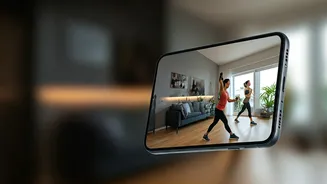
The explosion of home fitness Reels isn't an accident; it's the result of a perfect storm. The global pandemic forced gyms to close, pushing millions of people to find workout solutions within their living rooms. Simultaneously, social media platforms
like Instagram and TikTok perfected their short-form video algorithms, creating a highly addictive and shareable format. This combination created fertile ground for a new kind of fitness content: one that was accessible, required minimal equipment, and could be consumed in the time it takes to wait for a pot of water to boil. Unlike long, professionally produced YouTube workouts, Reels offer a sense of immediacy and authenticity. They feel less like a commitment and more like a quick hit of inspiration, perfectly suited for our shrinking attention spans.
The 30-Second Workout Formula
What makes a fitness Reel go viral? It comes down to a deceptively simple formula. First, the visuals are key. Fast cuts, high-energy music, and dynamic movements grab attention instantly. Creators often use on-screen text to spell out the workout—for example, “4 moves for stronger abs”—making the content easy to understand without sound. Second, the content is aspirational yet achievable. Seeing a fit creator perform a seemingly simple set of exercises makes viewers think, “I can do that.” Challenges and trends, like dance-based workouts or “try this move” prompts, further boost engagement by encouraging user participation and sharing. The format is designed not just for viewing, but for doing and re-sharing, creating a powerful viral loop.
Meet the New Digital Trainers
This trend has minted a new generation of celebrities: the ‘fitfluencers.’ These digital trainers have built massive followings not by running a gym, but by mastering the art of the 30-second video. They blend personality with expertise (or at least, the appearance of it), creating a personal connection with their audience. Followers don't just see them as instructors; they see them as motivational figures and lifestyle guides. For these creators, Reels are a powerful business tool. A large following can lead to brand sponsorships, sales of workout plans and merchandise, and a platform to launch apps or other ventures. They have effectively become the new faces of the fitness industry, reaching a global audience directly from their homes, and bypassing traditional media and gym chains entirely.
Motivation or Misinformation?
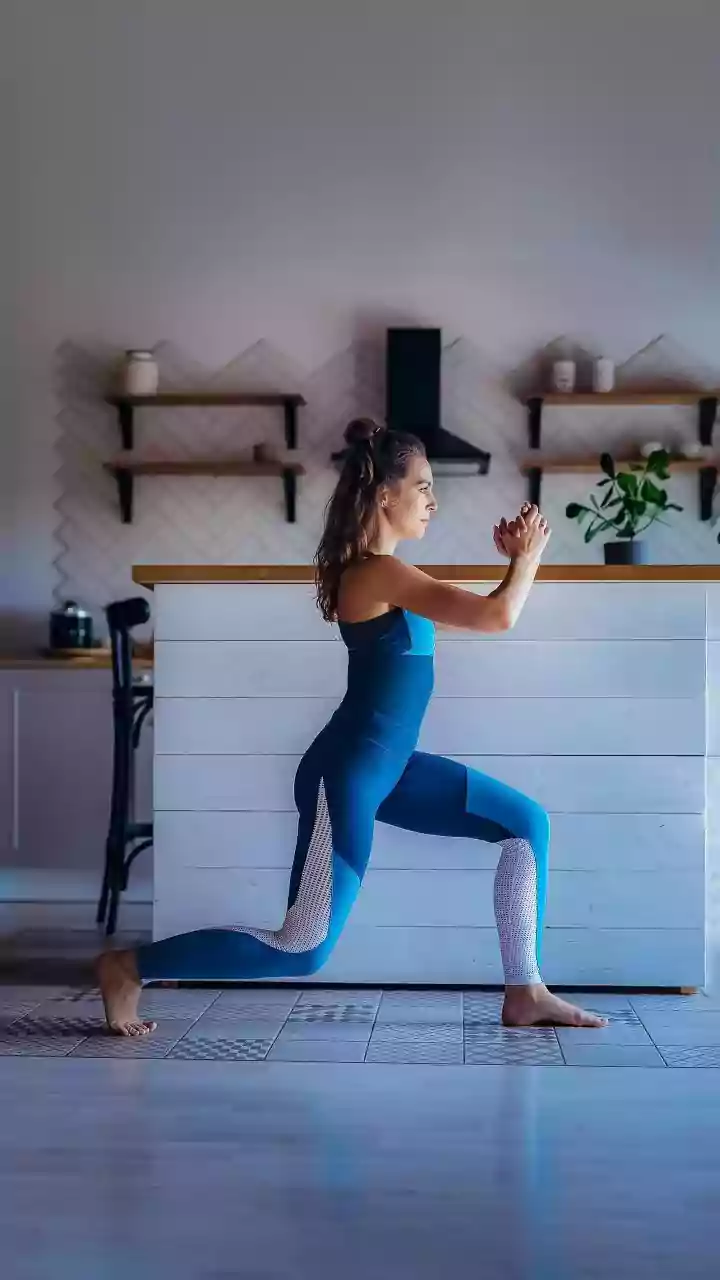
The democratization of fitness content is a double-edged sword. On one hand, these Reels have made fitness more accessible than ever. They provide free motivation and introduce people to new exercises they might never have tried otherwise, breaking down barriers of cost and gym-timidation. For many, a quick Reel can be the spark that starts a healthier lifestyle. However, the lack of regulation is a significant concern. Not every popular creator is a certified professional. This can lead to the spread of misinformation and dangerous advice. Poor form demonstrated in a video can lead to injury, and complex movements are often presented without the necessary instruction on safety, warm-ups, or modifications. Viewers may push themselves to match the intensity on screen without considering their own fitness level, risking strains, sprains, or more serious harm. The focus on aesthetics over function can also promote unrealistic body image expectations.