






The Engine of a Digital Nation
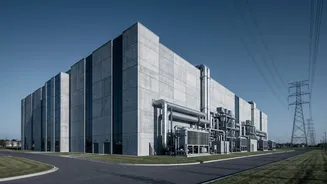
Data centres are the physical heart of the digital world, housing the servers and systems that process our online searches, digital payments, and cloud services. In India, this industry is undergoing explosive growth. Driven by government policies like
data localisation, the rollout of 5G, and the surge in AI and cloud adoption, India's data centre capacity is projected to skyrocket. From just over 1 GW in 2024, capacity is expected to reach anywhere from 6 GW to 10 GW by 2030, attracting billions in investment. This expansion is crucial for supporting India's aspirations to become a global digital hub, enabling everything from e-commerce to advanced AI research.
A Thirsty and Unsustainable Business
The core function of a data centre is computing, which generates enormous heat. To prevent servers from overheating, facilities rely on massive cooling systems, which are incredibly water-intensive. A single mid-sized data centre can consume millions of litres of water per day, comparable to the needs of thousands of households. India's data centres were estimated to consume around 150 billion litres of water in 2025, a figure projected to more than double by 2030. This is a critical issue because these facilities are often clustered in major hubs like Mumbai, Chennai, and Bengaluru—cities already facing acute water stress and recurring water crises.
The Unseen Power Drain
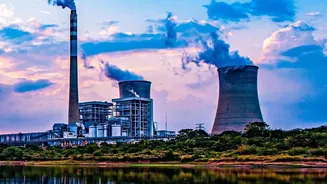
Beyond water, the electricity demand is staggering. Data centres require a continuous, high-quality power supply 24/7 to ensure zero downtime. Currently consuming around 0.5% of India's total electricity, this is expected to jump to 3% by 2030. This places immense strain on local power grids, which in many parts of India are already fragile. Furthermore, with the national grid still heavily reliant on coal, this rapid expansion complicates India's climate commitments by increasing carbon emissions. The frequent need for diesel generators as a backup power source adds another layer of pollution and environmental concern.
A Collision of Priorities
The situation presents a direct conflict between India's economic ambitions and its environmental realities. While state and national policies have focused on providing incentives to attract investment in data centres, they have largely overlooked their resource consumption. There is currently a lack of a comprehensive national policy that mandates specific energy and water efficiency standards for these facilities. This regulatory gap means that the long-term sustainability of the sector is being risked for short-term growth, potentially creating larger economic and environmental costs down the line.
The Search for a Greener Cloud
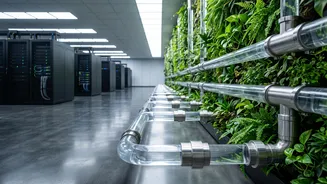
The solution isn't to halt growth, but to steer it towards sustainability. The industry is exploring several pathways, from building 'green data centres' to adopting innovative technologies. A key focus is on reducing reliance on water-based cooling by using alternatives like liquid cooling, which can be far more efficient. Sourcing power directly from renewable energy sources like solar and wind through power purchase agreements (PPAs) is another critical step, with some operators already pledging to become 100% renewable. Improving energy efficiency, measured by a metric called Power Usage Effectiveness (PUE), is also paramount. Ultimately, better site selection—avoiding water-stressed regions—and stronger regulations are needed to guide the industry.