
The New Festive Table
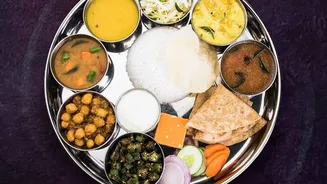
Indian festivals have always been synonymous with feasting, a time when calorie counting is joyfully abandoned. Yet, a new consciousness is reshaping the celebratory spread. It’s not about replacing beloved traditions but expanding them. Today, the festive
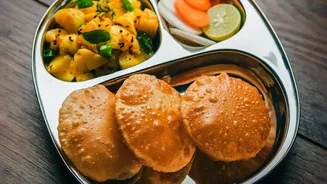
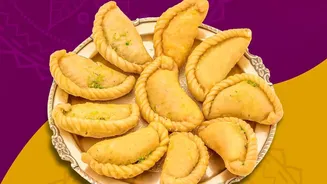
table is a place of delicious coexistence. A platter of glistening gulab jamuns might sit beside a bowl of fresh fruit, and deep-fried samosas might share space with their baked or air-fried counterparts. This shift reflects a growing desire to enjoy the festive spirit without the accompanying guilt or health concerns. People are increasingly seeking a middle ground, where indulgence and wellness can meet. The goal is no longer to simply feast, but to celebrate in a way that feels both joyful and nourishing.
Why the Shift to a Balanced Mindset?
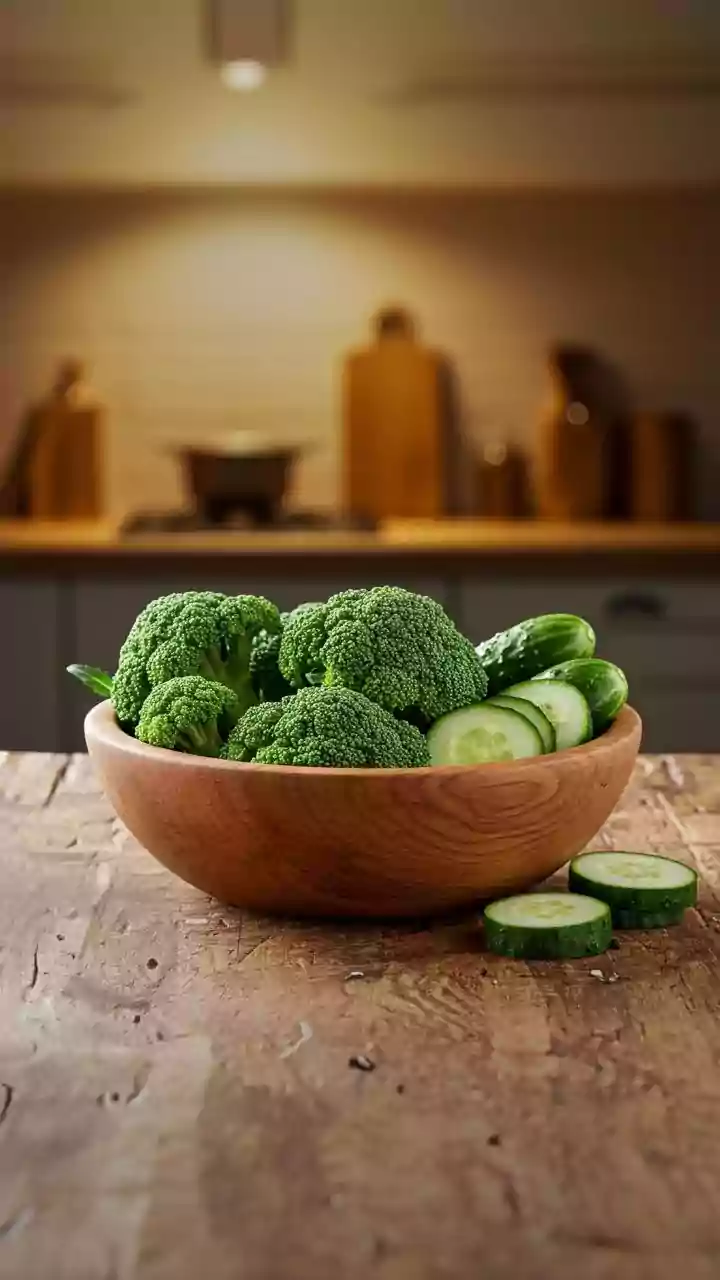
Several factors are driving this change in festive food culture. A heightened awareness of health and wellness, particularly among millennials and Gen Z, is a primary driver. These generations grew up with greater access to global health trends and are more intentional about their eating habits. They are looking for ways to align their festive celebrations with their everyday wellness goals. This doesn't mean giving up traditional foods, but rather finding ways to make them lighter or balancing them with healthier options. Nutritionists note that rather than total avoidance, people are adopting strategies like mindful portion control, using smaller plates, and starting meals with fibre-rich salads to prevent overindulgence in high-calorie treats.
Innovation in the Festive Kitchen
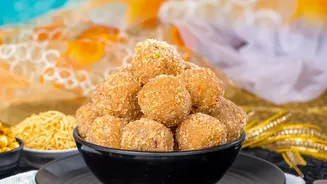
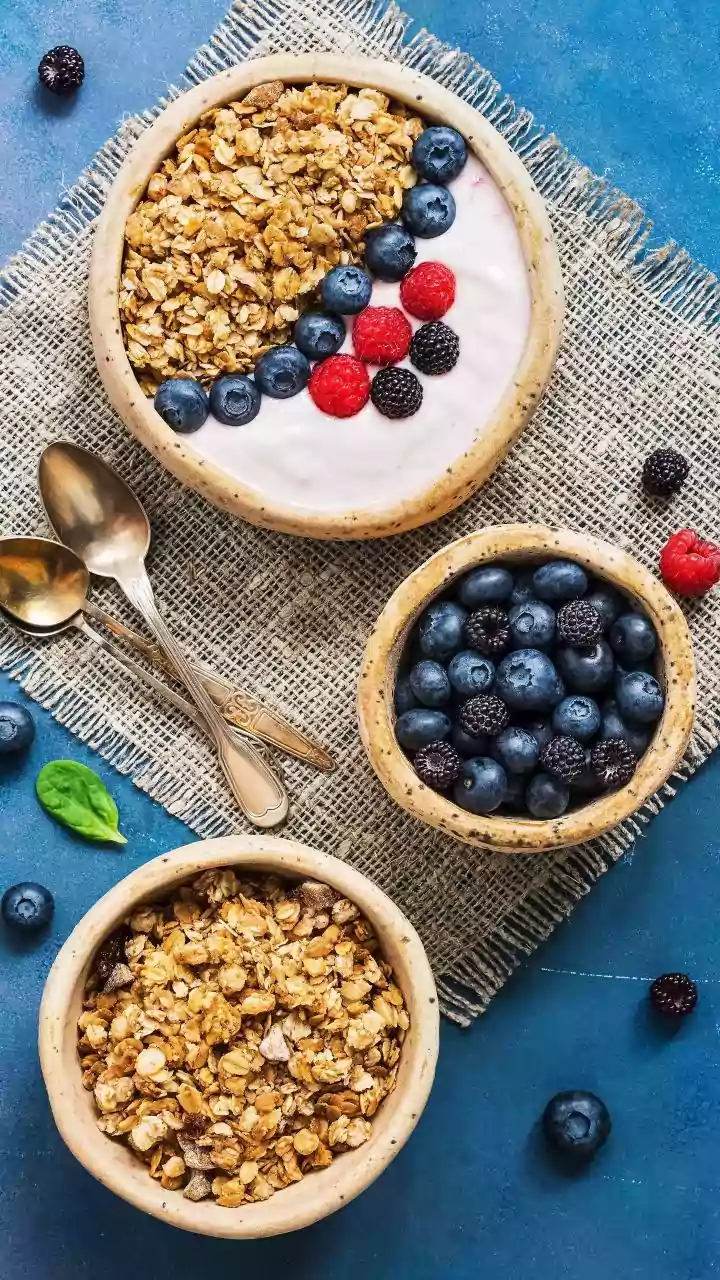
This new mindset has sparked a wave of creativity in Indian kitchens. Home cooks and food brands alike are reinterpreting traditional recipes with a healthier twist. Refined sugar is being swapped for natural sweeteners like jaggery and dates in sweets like ladoos and barfis. Similarly, refined flour (maida) is making way for whole grains and nutrient-dense millets like ragi and jowar. The method of cooking is also seeing a significant change. Air fryers and ovens are being used to create crispy, lower-fat versions of snacks like chakli and samosas, which are traditionally deep-fried. Even classic desserts are getting a makeover, with additions like carrot, beetroot, or apple to create halwas and kheers that are rich in flavour and nutrients.
It's About Moderation, Not Deprivation
Experts emphasize that this trend is not about a complete overhaul or the demonization of traditional festive foods. The core idea is balance. Enjoying homemade, traditional sweets and fried snacks is still very much a part of the celebration. The key lies in moderation and mindful choices. Nutritionists advise that returning to your regular routine the day after a feast is more effective than skipping meals or over-exercising to compensate. This balanced approach ensures that the festive season remains a time of connection and joy, centred around food that nourishes both the body and the spirit. It's about savouring your favourite dishes guilt-free by making conscious choices about portion sizes and balancing rich foods with lighter, nutrient-dense options.