

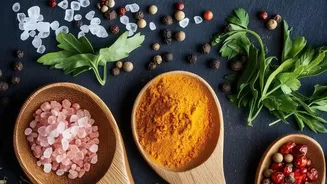

The Foundation of Flavour
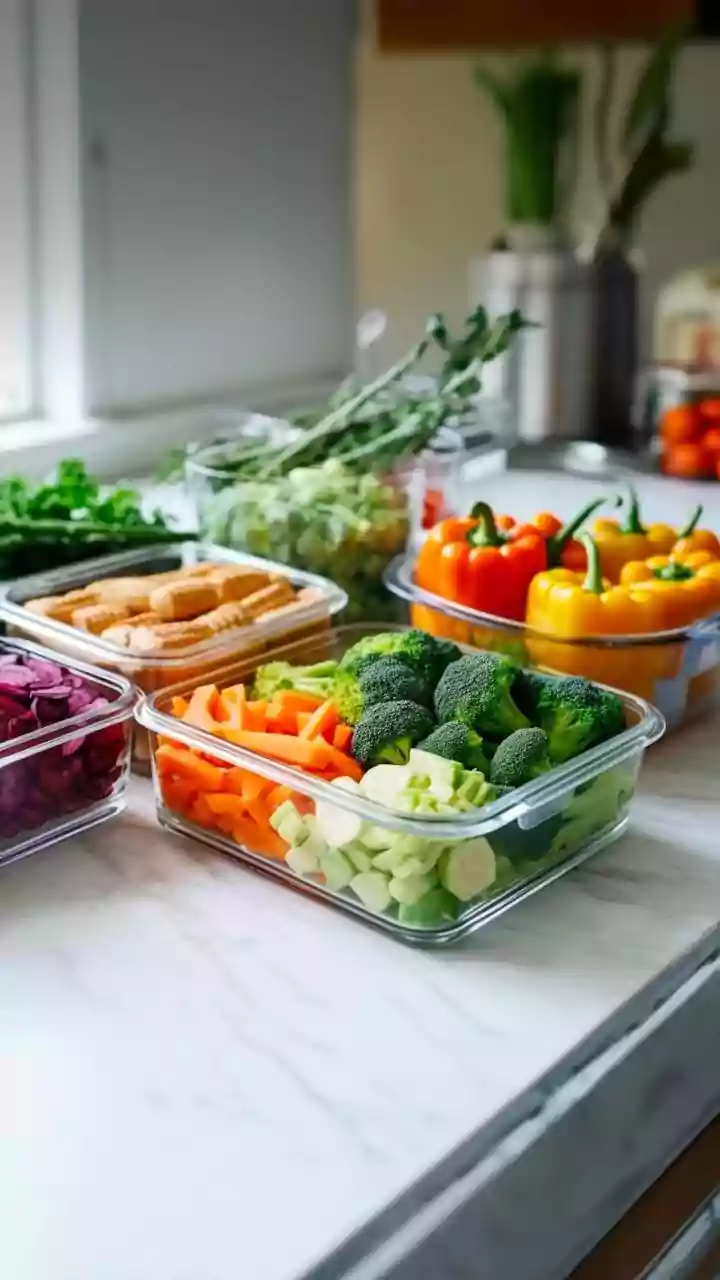
At the heart of countless delicious dishes lies a 'shared base'—a foundational blend of aromatics and fats that creates the first layer of flavour. Think of the classic French 'mirepoix' of onions, carrots, and celery, or its Italian cousin, 'soffritto'.
In Indian cuisine, this base is often a combination of onions, ginger, and garlic sizzled in ghee or oil. These aren't just random collections of vegetables; they are carefully chosen building blocks. In classical French cooking, this idea is formalized into the five 'mother sauces' like Béchamel and Velouté, which act as the starting point for hundreds of other sauces. The concept is universal: create a deeply savoury and aromatic foundation upon which the rest of the dish is built. It’s the difference between a flat, one-dimensional meal and one that sings with complexity.
The Magic of 'Seasoning'
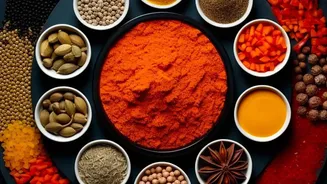
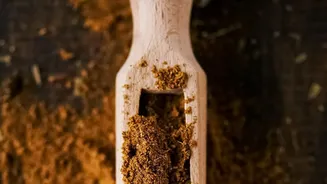
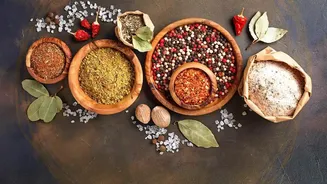
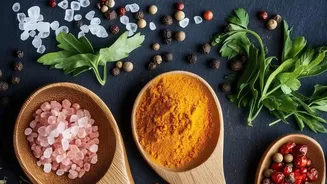
When we talk about 'seasoning' in this context, we mean more than just a pinch of salt. It refers to the spices and aromatics that define a dish's character. The secret to unlocking their full potential lies in a technique called 'blooming'. This involves adding spices to hot fat, like oil or butter, at the beginning of the cooking process. Why does this matter? Many of the flavour compounds in spices are fat-soluble, not water-soluble. Sprinkling them into a pot of simmering liquid means you'll miss out on their deepest, most complex notes. Heat and fat work together to break down the spices' cell walls, releasing the volatile oils where the true aroma and taste are hiding. This is why Indian recipes often start with a 'tadka', where spices like cumin and mustard seeds are sizzled in hot oil to infuse it with flavour. That flavoured oil then carries the taste through the entire dish more effectively than dry spice ever could.
Why Order Matters So Much
The phrase “before heat is added” is key. 'Heat' here refers to adding the main, often liquid-heavy, ingredients. Building your base correctly before this step is non-negotiable for maximum flavour. First, you heat the fat. Then you toast whole spices to awaken their essential oils. Next, you add your base aromatics like onions. Cooking them slowly allows for caramelization and the Maillard reaction—a chemical process between amino acids and sugars that creates hundreds of new flavour compounds responsible for the delicious browning on everything from seared steak to fried onions. Only after these aromatics have softened and browned do you add your ground spices. You cook them for just a minute until fragrant—this is the blooming process. Adding them too early can cause them to burn and turn bitter; adding them too late, into liquid, prevents their flavours from fully releasing. Following this order ensures each component contributes its full potential.
Putting It Into Practice
This might sound complicated, but it’s a simple rhythm once you get the hang of it. Let’s break it down into a universal method that works for everything from curries to stews and pasta sauces: 1. Heat your fat (oil, ghee, butter) over medium heat in a sturdy pan. 2. Add any whole spices (like cumin seeds or peppercorns) and toast them for about 30 seconds until they become fragrant. 3. Add your aromatic vegetables (like onions, garlic, celery, or peppers). Cook them, stirring occasionally, until they are soft and have started to brown. Don't rush this step; this is where deep, savoury notes are developed. 4. Add your ground spices (like turmeric, paprika, or coriander powder). Stir constantly for about 30-60 seconds. You'll smell them 'bloom' as they release their aromas. Be careful not to let them burn. 5. Now, and only now, add your main ingredients—be it meat, vegetables, tomatoes, or stock. The seasoned base you’ve so carefully built will now infuse every part of your dish with incredible depth.
A Universal Language of Flavour
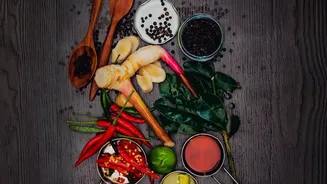
This principle isn't confined to one type of cuisine; it's a global culinary truth. In Mexico, cooks toast dried chillies to create the complex base for mole. In China, Sichuan peppercorns are sizzled in oil to release their unique numbing heat. An Italian nonna making a Sunday ragù is doing the same thing when she slowly sweats her soffritto before adding wine and tomatoes. It's all about layering flavour from the ground up. By understanding this single principle—that a shared base needs proper seasoning before the main ingredients are introduced—you move beyond simply following a recipe. You start to understand how to cook more intuitively, making adjustments based on smell and sight, and building dishes that are rich, aromatic, and deeply satisfying.