




The Mountain's Potent Pharmacy
Sikkim is a treasure trove of medicinal flora, with over 400 plant species used in traditional healing systems like Ayurveda and Tibetan medicine. For generations, local communities have relied on this natural pharmacy to treat ailments and maintain well-being.
The state's diverse landscape, from subtropical lowlands to alpine peaks, creates distinct microclimates that nurture a wide variety of herbs. This unique geographical setting is the first clue to understanding the exceptional quality of its herbal infusions. The people of these high-altitude regions developed their health practices in relative isolation, leading to a unique and undocumented knowledge of local plants passed down through generations.
Survival of the Strongest Plants
The secret to the potency of these high-altitude herbs lies in a simple principle: what doesn't kill you makes you stronger. Plants growing at high elevations are exposed to intense environmental stress, including greater UV radiation, low oxygen levels, and drastic temperature shifts. To survive these harsh conditions, the plants produce higher concentrations of protective compounds, particularly secondary metabolites like phenols, flavonoids, and tannins. These are the very compounds that function as powerful antioxidants. In essence, the environmental stress triggers a defense mechanism in the plants, causing them to load up on the phytochemicals that we, in turn, value for their health benefits. Studies have shown that for many plant species, antioxidant levels are positively correlated with the altitude at which they are grown.
Star Herbs of the Sikkimese Valleys
Among the hundreds of medicinal plants in Sikkim, a few stand out for their use in daily wellness brews. One of the most celebrated is Rhododendron arboreum, known locally as 'Buransh'. Traditionally used by Himalayan communities to soothe fatigue and support immunity, its petals are rich in flavonoids and have anti-inflammatory properties. Scientific interest has grown, with research suggesting its phytochemicals may have antiviral potential. Another star is Sea Buckthorn ('Leh Berry'), a thorny shrub that thrives in harsh, high-altitude terrain. Its vibrant orange berries are a nutritional powerhouse, packed with over 190 bioactive compounds, including antioxidants, numerous vitamins, and a rare plant source of omega 3, 6, 7, and 9 fatty acids. Traditionally used to boost immunity and for skin health, Sea Buckthorn is gaining global recognition as a 'superfruit'.
More Than Just a Cup of Tea
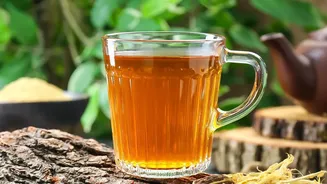
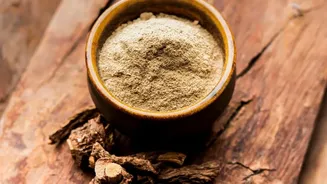
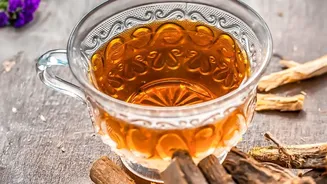
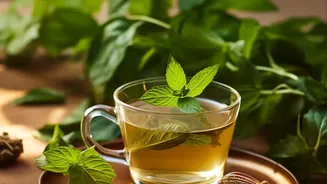
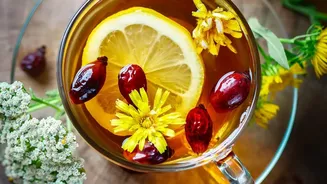
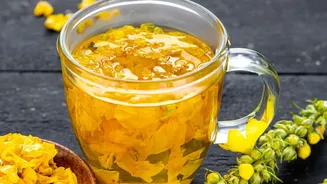
Consuming these herbal brews is more than just a health choice; it's an act of connecting with a resilient ecosystem. The traditional preparations—often involving sun-dried petals or leaves steeped in hot water—are designed to preserve the delicate bioactive compounds. Many of these herbs are classified in Ayurveda as 'Rasayana', substances known to rejuvenate the body, enhance overall well-being, and slow the aging process. These brews are often caffeine-free, offering a calming ritual that can help reduce stress and improve digestion. For instance, Buransh tea is traditionally served to cleanse the system, while a warm cup of rhododendron tea is a common post-meal digestive aid in Himalayan communities. The benefits extend to gut health, as the polyphenols in many of these teas can act as prebiotics, feeding beneficial gut bacteria.