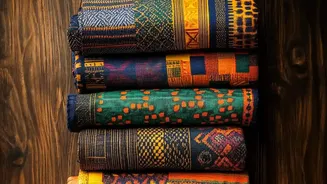

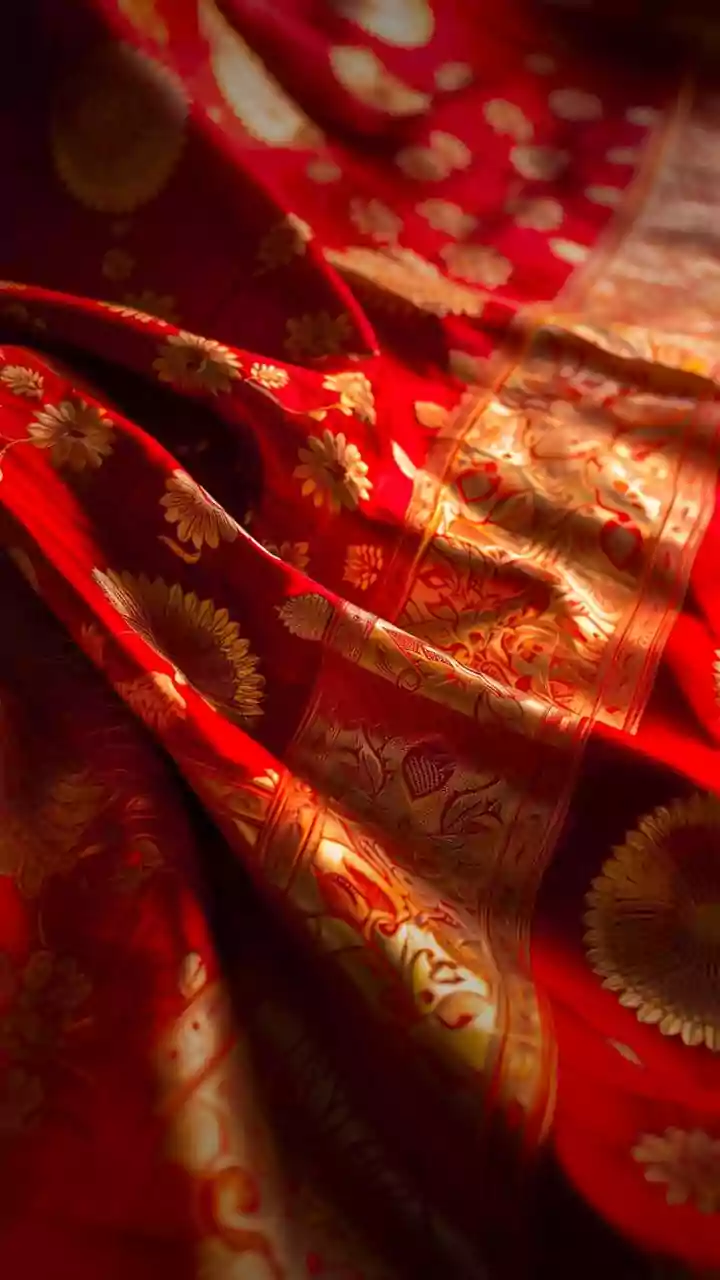
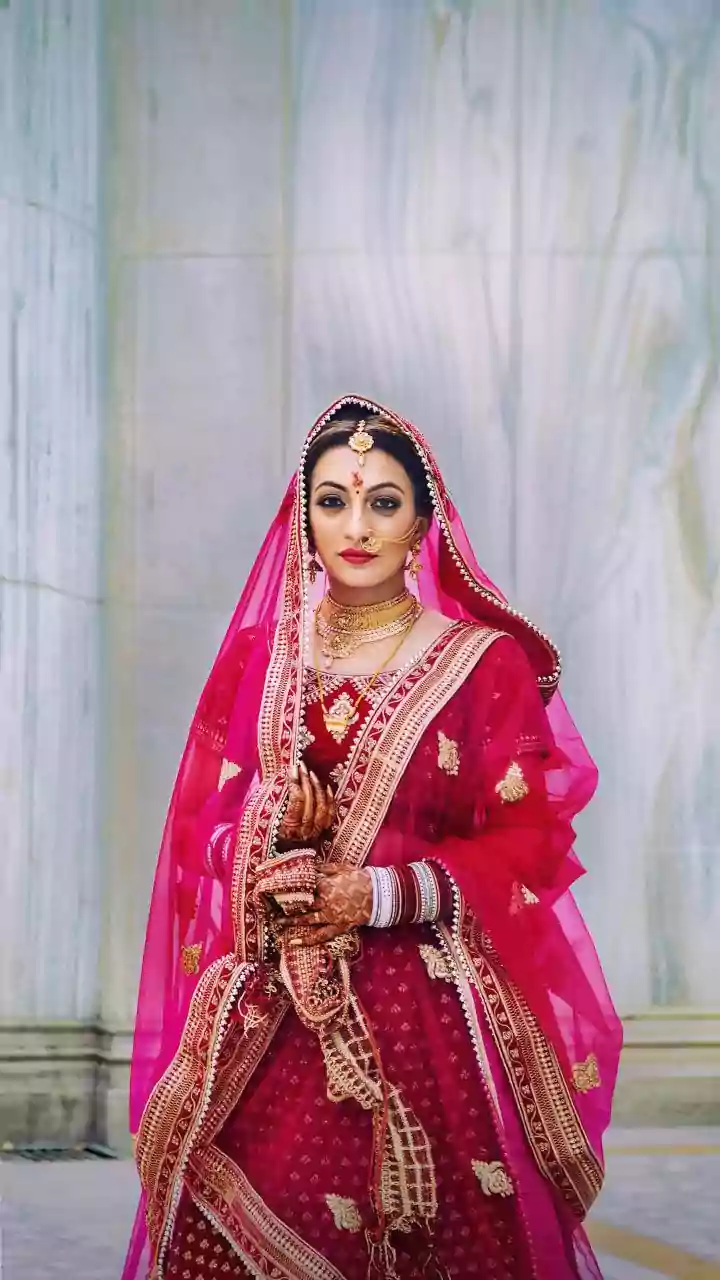
In a world saturated by fast fashion, a quiet but powerful shift is underway. Younger buyers are looking past fleeting trends and towards the timeless appeal of heritage textiles, driven not just by aesthetics, but by the stories they tell.
A Search for Authenticity
For years,
the fashion landscape has been dominated by mass-produced apparel, where garments are often disconnected from their origins. But for many in Gen Z, this model is losing its appeal. This generation, raised as digital natives, craves authenticity and transparency. They are increasingly asking critical questions about where their clothes come from, who made them, and what impact they have on the planet. This conscious consumerism has sparked a renewed interest in items that have character, a history, and a story they can be proud of. Heritage textiles, with their deep roots in specific regions and cultures, offer a powerful antidote to the anonymity of fast fashion, providing a unique narrative that mass production cannot replicate.
The Power of a Good Story
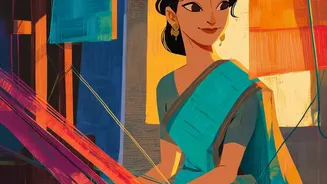
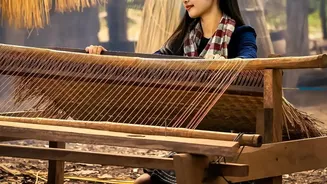
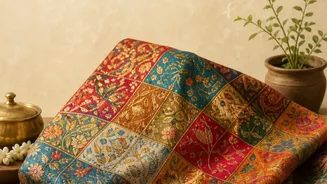
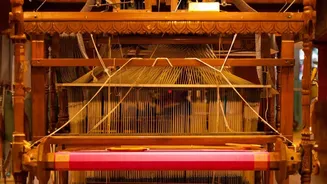
What turns a simple piece of fabric into a coveted item for a young buyer? Often, it's the story. 'Artisanal storytelling' is more than a marketing buzzword; it's the process of connecting a product to the people, places, and traditions behind it. Brands and individual artisans are using platforms like Instagram and YouTube to share the entire lifecycle of a garment. They post videos of weavers at their looms, explain the ancient techniques behind a block print, or introduce the community that has been perfecting a particular craft for generations. This narrative transforms a purchase from a simple transaction into an act of patronage. Buyers feel an emotional connection, knowing they are supporting a specific artisan and helping to preserve a living tradition. A hand-embroidered cushion is no longer just a decor item; it's a piece of a story that now lives in their home.
Weaving Tradition with Modern Style
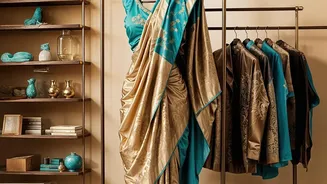
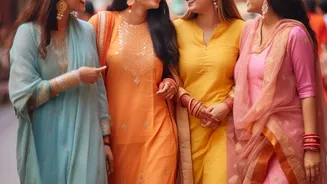
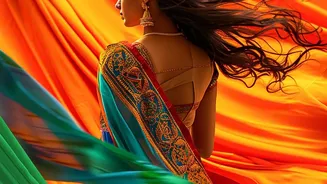
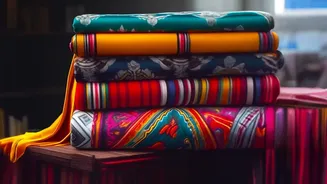
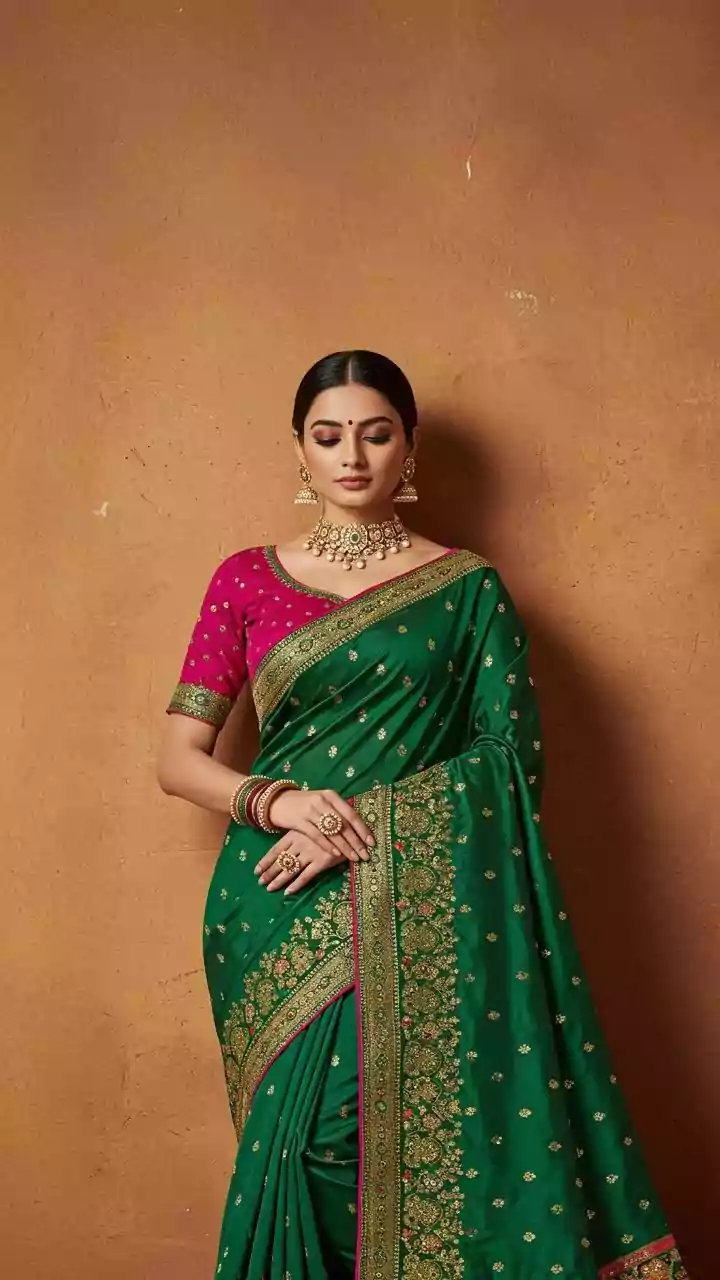
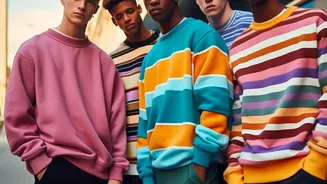
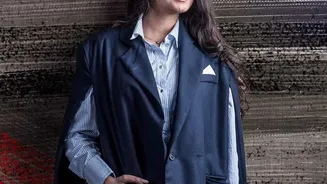
The preference for heritage textiles isn't about recreating the wardrobes of previous generations. Instead, Gen Z is celebrated for its ability to blend the traditional with the contemporary. An intricate Banarasi or Jamdani sari might be paired with sneakers and a crop top, while a hand-blocked Ajrakh print is fashioned into an oversized jacket. Textiles like Chanderi, Kota Doria, and Ikat are being used to create modern silhouettes like dresses, co-ord sets, and shirts that fit seamlessly into an everyday wardrobe. This reinterpretation makes heritage cool and accessible, moving it from occasion-wear to a form of daily self-expression. It’s a way to honour cultural roots while asserting a unique, individual style.
Sustainability as a Standard
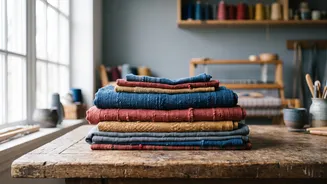
Beyond aesthetics and storytelling, sustainability is a core value driving Gen Z's choices. Many heritage textiles are inherently sustainable, crafted from natural fibres like cotton, silk, and linen using eco friendly processes such as natural dyeing. By investing in a handloom piece, consumers are consciously opting out of the environmentally damaging cycle of fast fashion. They are choosing quality and longevity over disposable trends. This decision aligns with a broader lifestyle shift towards mindful consumption, where purchases reflect personal values. For many young buyers, a handwoven garment is a statement that their style can be both beautiful and responsible.
Digital Looms and the New Marketplace
Technology has been a crucial catalyst in this revival. Digital platforms have democratized access, allowing artisans from remote villages to connect directly with urban and even global consumers. E commerce sites and social media have effectively become the new bazaars, where weavers can showcase their products and stories without relying on middlemen. This direct to consumer model not only ensures fairer wages for artisans but also enhances the authenticity of the transaction. Buyers can interact with creators, ask questions about the process, and gain a deeper appreciation for the skill involved, making the entire experience more personal and trustworthy.