

What Exactly Is Artisanal Batik?
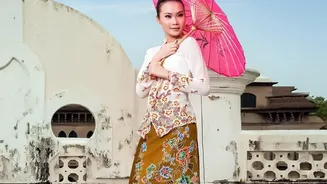
At its heart, batik is an art of patience and precision. Originating centuries ago and deeply rooted in Indonesian culture, particularly on the island of Java, this textile art was recognised as a masterpiece of human heritage by UNESCO. The traditional
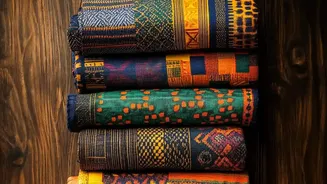
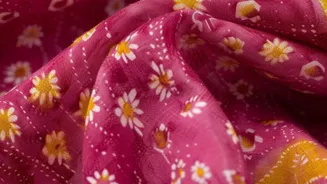
method, known as 'batik tulis', involves hand-drawing intricate designs onto fabric with a pen-like tool called a canting, which applies hot wax. The fabric is then dyed, and the wax resists the colour, leaving behind the stunning, detailed pattern after the wax is removed. This painstaking, artisanal process ensures that no two pieces are exactly alike, each carrying the unique touch of its creator. Unlike digitally printed imitations, authentic batik is a testament to skill, time, and tradition.
A Story in Every Thread
Batik is far more than just a decorative pattern; it is a language of symbols. Historically, different motifs were reserved for royalty or specific ceremonies, indicating social status, power, and significant life events. Many designs draw inspiration from nature, spirituality, and folklore, with each element holding a specific meaning. For instance, the 'Parang' motif, with its flowing S-shaped lines, symbolises resilience and continuity, while the cloud-like 'Mega Mendung' represents patience. The circular 'Kawung' pattern, resembling a palm fruit, stands for wisdom and purity. This rich symbolism allows homeowners to choose pieces that resonate personally, embedding their spaces with stories of bravery, love, or prosperity.
The Modern Design Renaissance
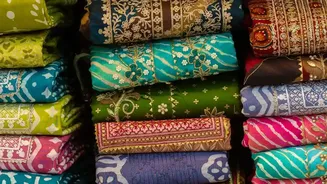
So why the strong comeback now? The resurgence of batik aligns perfectly with several key shifts in modern design philosophy. There is a powerful movement towards sustainability, authenticity, and 'slow design'—valuing handcrafted items over mass-produced ones. Consumers are increasingly looking for decor with a soul and a story. Artisanal batik, often made using natural dyes from plants and minerals, appeals to an eco-conscious mindset. Designers are also reinterpreting the ancient craft for contemporary tastes. They are experimenting with minimalist motifs, modern colour palettes like soft pastels, and bold geometric repeats instead of just traditional florals. This evolution is making batik more accessible and versatile for a new generation.
How to Weave Batik into Your Home
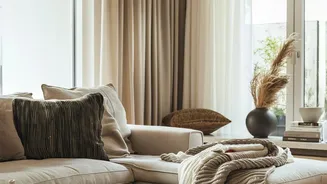
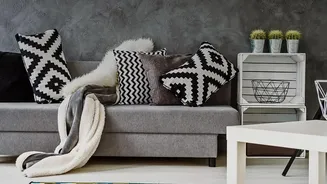
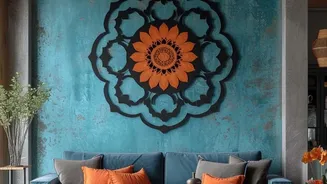
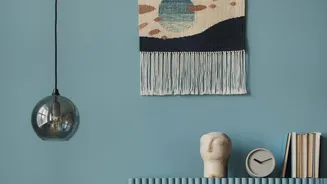
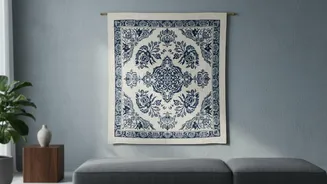
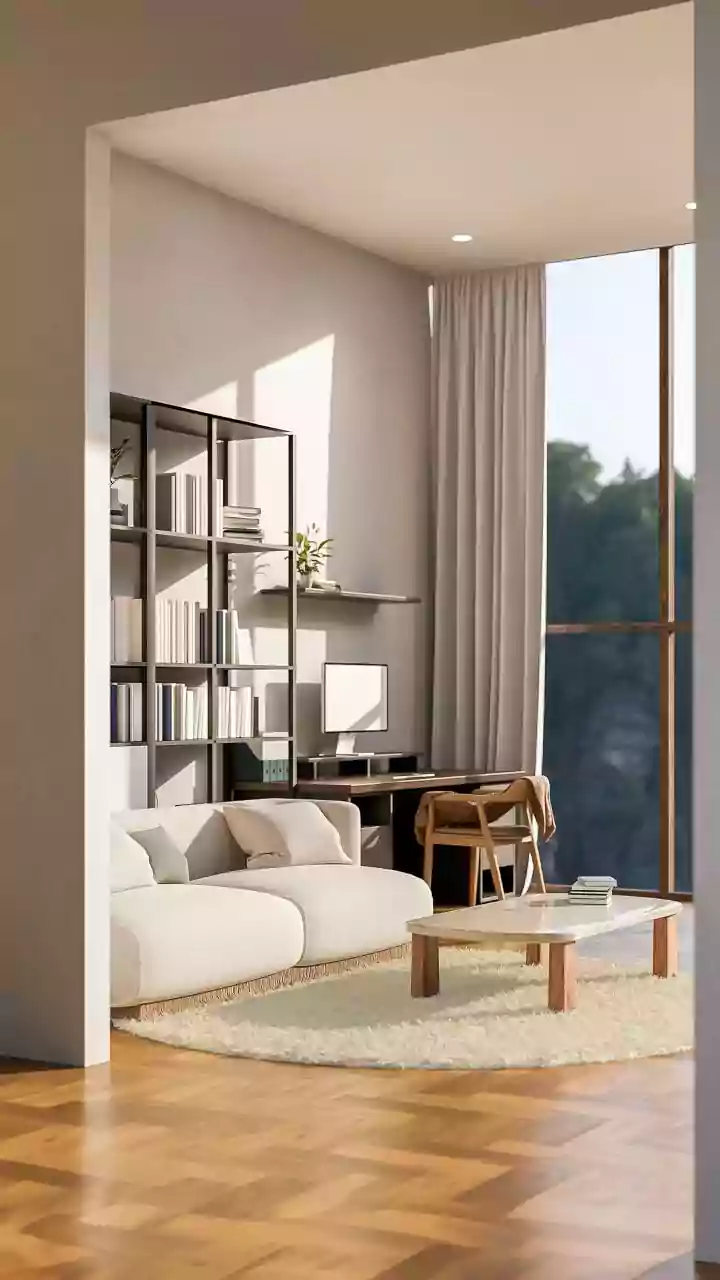
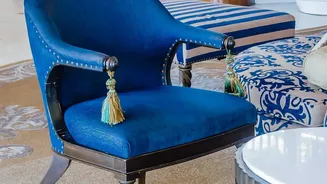
Incorporating this trend doesn't require a complete overhaul. The key is to use batik as a statement piece that adds warmth and character. Start small with accent items like throw pillows, table runners, or a single upholstered chair. A large, framed piece of batik fabric can serve as a stunning piece of wall art, becoming an instant focal point in a living room or bedroom. To keep the look modern, pair batik textiles with clean-lined furniture and neutral backgrounds, allowing the intricate patterns to truly shine. Mix a bold batik print with solid colours and varied textures to create a look that feels curated and personal, blending tradition with modern style.