
From the Street to the Starched Tablecloth
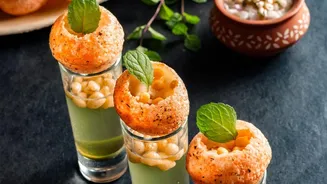
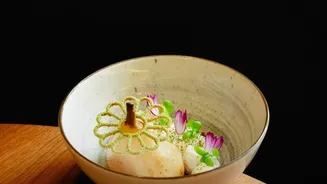
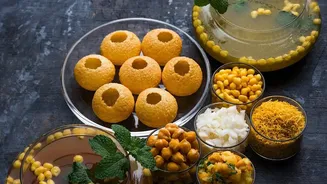
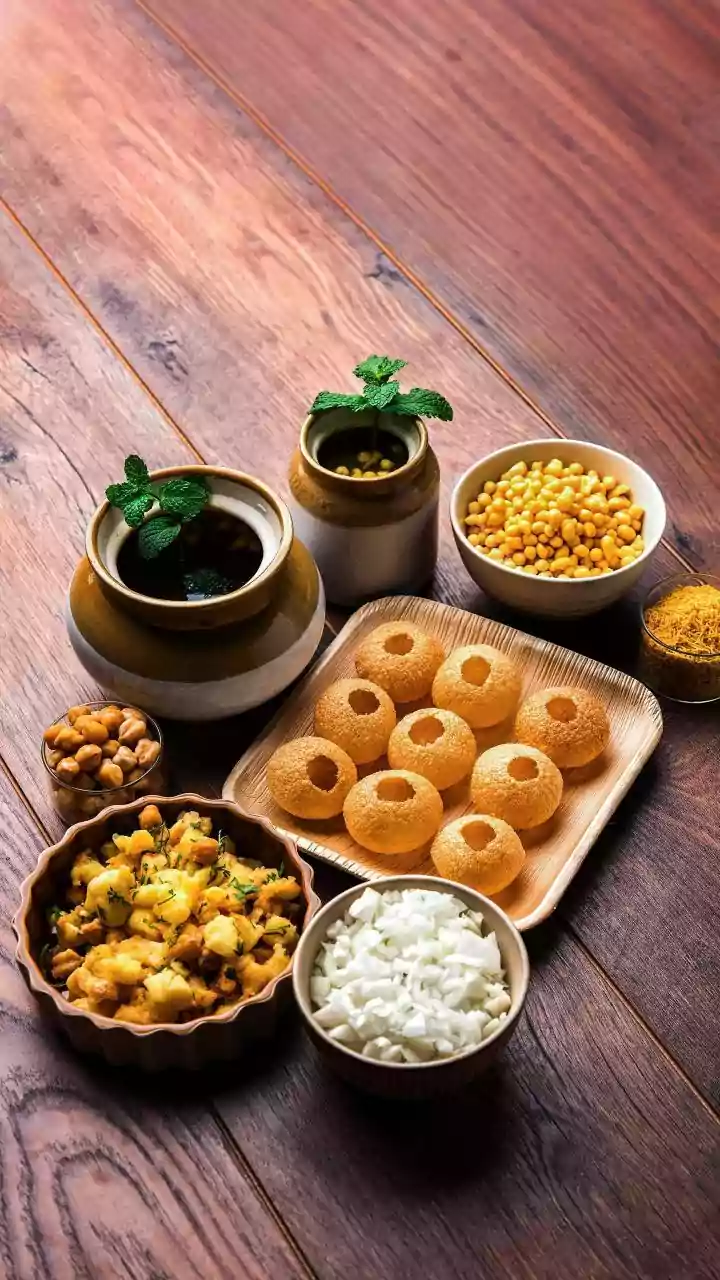
Imagine a plate of puchkas, not handed to you in a leaf bowl, but arriving at your table with five different flavoured waters in delicate vials. Or a deconstructed samosa, its familiar spiced potato filling nestled beside crisp shards of pastry and artful
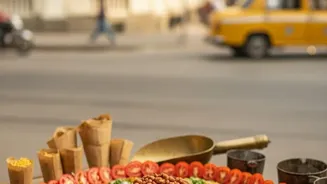
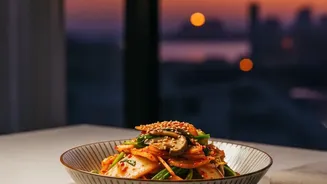
swirls of tamarind and mint chutney. This is the new face of Indian fine dining, where chefs are looking to the bustling lanes and neighbourhood stalls for inspiration. Dishes that were once the exclusive domain of quick, on-the-go eating are now the stars of tasting menus. It is a delicious paradox: the most democratic and accessible food in the country is being reinterpreted in its most exclusive settings.
A Growing Hunger for Authenticity
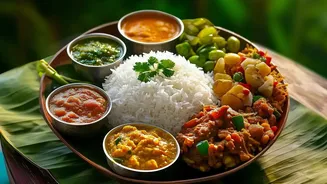
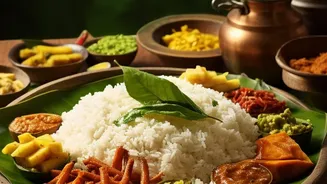
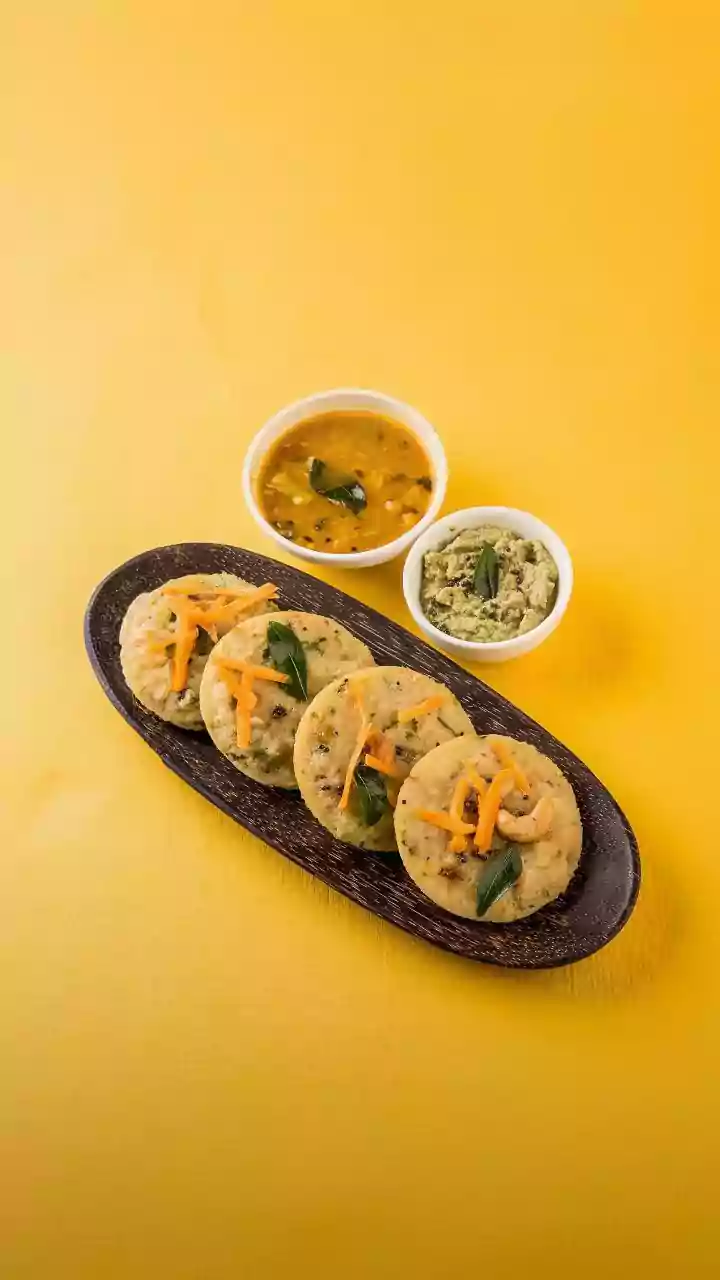
For years, 'Indian food' in upscale restaurants often meant a predictable rotation of North Indian curries and kebabs. But diners, particularly younger ones, are now seeking something more genuine. They want flavours that tell a story and connect to a specific place. This has created an appetite for micro-regional cuisines, celebrating the vast diversity of India's culinary map—from Bihari litti chokha to Bengali jhalmuri and Goan ros omelette. The trend signifies a move away from a homogenised idea of Indian cooking and towards a celebration of hyper-local traditions that have been passed down through generations.
The Chef's Personal Story
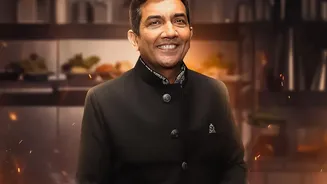
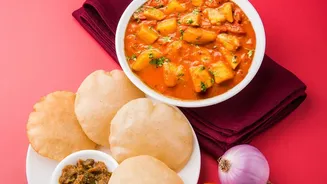
For many chefs, this trend is deeply personal. It's a way to connect with their own heritage and childhood. Chef Pradeep Khullar of the Michelin-recognized Bhaturewala, for instance, built his Dubai restaurant around the chole bhature he queued for as a boy in Delhi. Similarly, other leading chefs like Manish Mehrotra and Hussain Shahzad see street food as a powerful source of nostalgia. By elevating these dishes, they are not just cooking; they are sharing memories and telling the story of where they came from. This personal connection makes the food unique and creates a dining experience that cannot be easily replicated.
The Smart Economics of Elevation
Beyond culture and nostalgia, there's a sound business reason for this shift. Street food ingredients—potatoes, chickpeas, lentils, and flour—are often humble and cost_effective. When a chef applies high_level technique, premium preparation, and creative presentation to these ingredients, they can create a dish with a high perceived value and healthy profit margin. Diners aren't just paying for the ingredients; they are paying for the chef's skill, the sophisticated ambiance, and the novelty of seeing a familiar favourite transformed into a work of art. The dish becomes an experience, justifying its place on a premium menu.
A Feast for the Eyes (and the Instagram Feed)
In the age of social media, a dish's visual appeal is almost as important as its taste. Artfully plated, deconstructed, or reinvented street food is incredibly photogenic. A 'pani puri flight' or a beautifully composed chaat is designed to be shared online, generating buzz and acting as powerful, free marketing for the restaurant. This visual appeal helps introduce a wider audience to the nuances of regional Indian food, creating a virtuous cycle where social media exposure drives curiosity and brings more people in to taste the 'real stuff'.