




First, What Are Proteins?
Think of proteins as the body's primary construction crew. They are one of the three essential macronutrients, alongside fats and carbohydrates, that we need in large amounts to function. Proteins are vital for everything from building and repairing tissues
like muscle, skin, and bone to producing crucial enzymes and hormones. At their core, proteins are made up of smaller units called amino acids, linked together like beads on a string. There are 20 different amino acids that our bodies use to build the countless proteins required to keep us healthy and strong.
The 'Complete' Protein Puzzle
Of those 20 amino acids, our bodies can produce 11 on their own; these are known as non-essential amino acids. The other nine must come from the food we eat, which is why they're called 'essential amino acids'. These nine are: histidine, isoleucine, leucine, lysine, methionine, phenylalanine, threonine, tryptophan, and valine. A food source that contains all nine of these essential amino acids in adequate amounts is called a 'complete protein'. Generally, animal products like meat, fish, eggs, and dairy are considered complete proteins. In contrast, a protein source that is low in or missing one or more of these essential amino acids is termed an 'incomplete protein'.
The Plant Protein Partnership
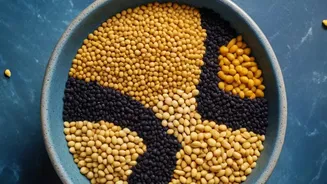
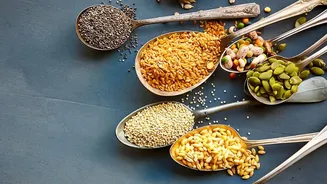
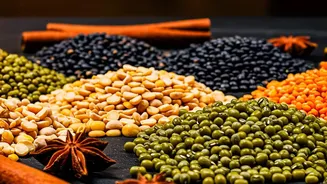
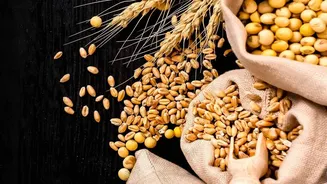
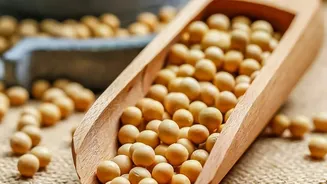
Most plant-based foods, when eaten alone, are considered incomplete proteins because they tend to be low in one or two specific essential amino acids. This is where the magic of pairing comes in. Cereal grains (like rice, wheat, and corn) and legumes (like beans, lentils, and chickpeas) have what are known as complementary amino acid profiles. Cereal grains are typically low in the essential amino acid lysine but have plenty of another one, methionine. Legumes are the opposite; they are rich in lysine but low in methionine. By eating them together, the strengths of one food make up for the weaknesses of the other. The lysine from the legumes fills the gap in the grains, and the methionine from the grains completes the profile for the legumes. The result is a meal that provides all nine essential amino acids, creating a complete protein score.
Delicious Pairings From Around the World
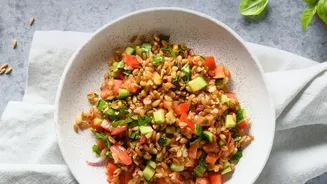
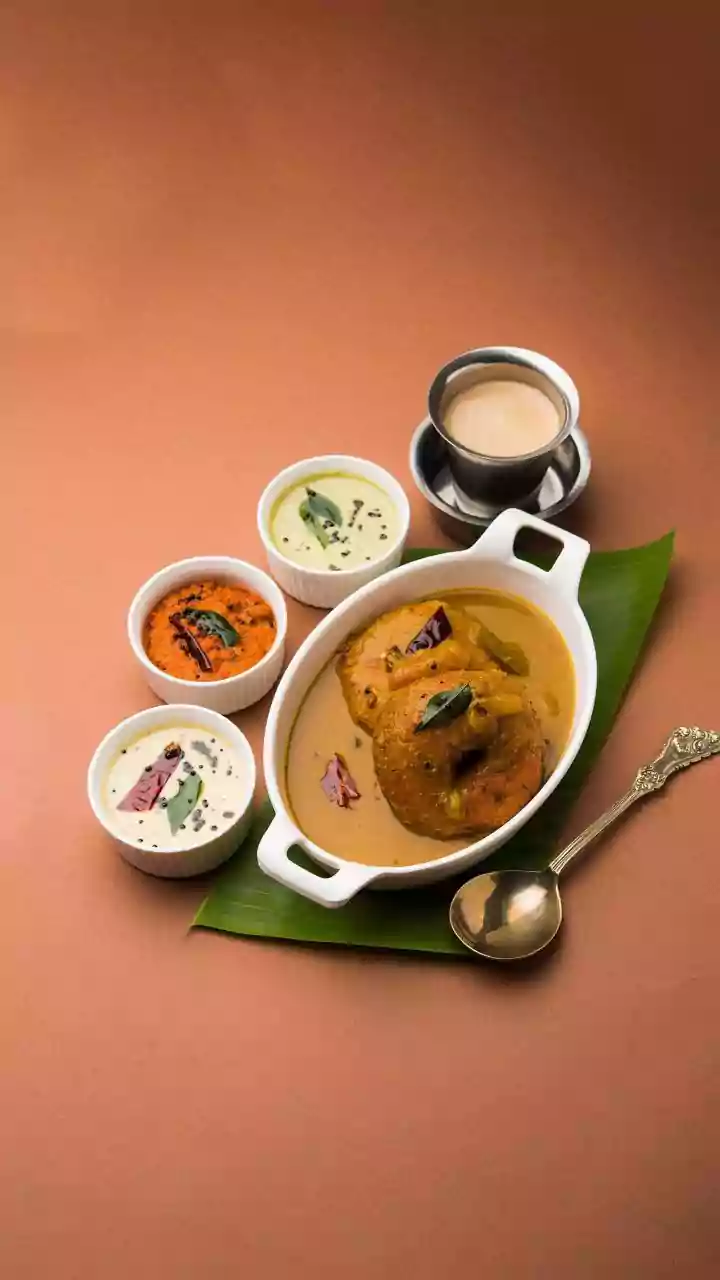
This nutritional strategy isn't a new fad; it's a cornerstone of traditional cuisines across the globe. Think of classic, time-tested combinations that people have enjoyed for centuries. In Latin America, rice and beans are a staple. In India, dal (lentils) is almost always served with rice or roti (a whole wheat flatbread). Middle Eastern cuisine pairs hummus (made from chickpeas) with pita bread. Even a simple peanut butter sandwich on whole-wheat bread is a perfect example of protein complementation in action. These pairings weren't just created because they taste good; they form a nutritionally synergistic and complete meal.
An Updated View: Timing Is Flexible
For years, the popular belief was that you needed to eat these complementary proteins together in the very same meal to get the benefit. However, modern nutritional science has updated this view. Research now shows that the body maintains a 'pool' of free amino acids that it can draw upon as needed. This means you don't have to stress about perfectly combining proteins at every single sitting. As long as you consume a variety of plant-based protein sources—legumes, grains, nuts, and seeds—throughout the course of the day, your body can do the work of combining the amino acids for you to ensure it gets everything it needs. The key takeaway is to focus on dietary variety.