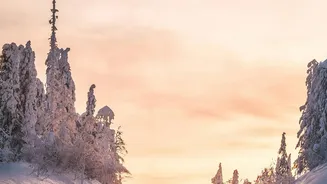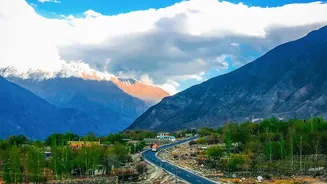




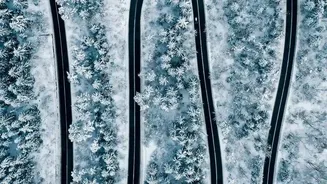
The dream of a winter drive through snow-dusted landscapes is magical. But in India, it demands serious planning around unpredictable weather and closed mountain passes. Here’s what you need to know before you go.
The Allure and The Reality of Winter Drives
A winter road trip in India, especially
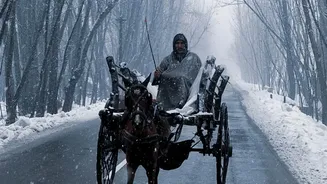
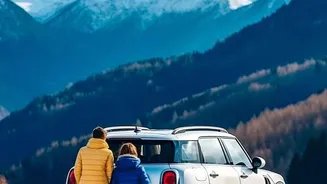
through the Himalayas, is an unforgettable experience. The frantic pace of summer tourism gives way to a quiet, serene landscape painted in white. The air is crisp, the views are dramatic, and cosy cafes offer warm refuge. However, this beauty comes with a set of non-negotiable challenges. Temperatures can plummet well below freezing, heavy snowfall can occur without warning, and key roads and mountain passes often close, sometimes for days on end. A successful and safe winter road trip is less about spontaneity and more about meticulous planning, flexibility, and a deep respect for the mountains.
Himachal Pradesh: Tunnels and Closures
Himachal is a popular choice for winter drives. Manali is accessible year-round, and the Atal Tunnel has revolutionized winter travel by providing an all-weather route to the Lahaul Valley. While the tunnel itself generally remains open, the approach roads can face temporary closures due to heavy snow or avalanche risk, so always check the daily status before travelling. A drive to Sissu on the other side of the tunnel offers a spectacular, accessible taste of the high-altitude winter landscape. However, a full Spiti Valley circuit is not possible in winter. The road from Manali to Kaza via Kunzum Pass closes from around November to late May or early June. The only way to access Spiti in winter is via the Shimla-Kinnaur road, which remains open for most of the season but is still prone to temporary blockages from snow and ice, especially on higher stretches near Nako.
Ladakh: A Fly-In, Drive-Out Winter
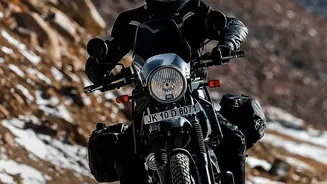
A winter road trip to Ladakh is not feasible. The two main arteries, the Manali-Leh Highway and the Srinagar-Leh Highway, are officially closed for the winter season. The Manali route shuts down around November/December and reopens in May/June. Similarly, the Srinagar-Leh highway closes at Zoji La pass, which, despite efforts by the Border Roads Organisation (BRO) to keep it open longer, succumbs to heavy snowfall for several winter months. Winter exploration of Ladakh requires flying into Leh's Kushok Bakula Rimpochee Airport. From there, you can hire local 4x4 vehicles with experienced drivers to explore the frozen landscapes of the Indus and Nubra valleys, conditions permitting. This is an adventure for the well-prepared, as temperatures can drop to extreme lows.
Uttarakhand: Auli and The Risk of Snowfall
Uttarakhand's Garhwal region, home to destinations like Auli and Mussoorie, offers stunning winter scenery. However, access can be tricky. While the main highways to towns like Joshimath (the gateway to Auli) generally remain open, the final stretches of road can be challenging. The road from Joshimath to Auli is steep and can become treacherous with black ice or fresh snow, often requiring 4x4 vehicles or snow chains. During periods of heavy snowfall, authorities may halt traffic entirely for safety, and tourists might have to rely on the cable car from Joshimath to reach Auli. It's crucial to have buffer days in your itinerary, as a heavy snow spell can lead to closures of major routes like the Badrinath highway.
The Northeast: Tawang and Sikkim's High Passes
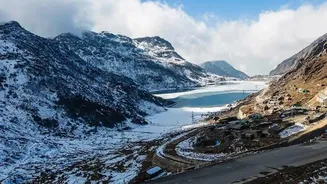
In the Northeast, winter road trips come with their own set of rules, including permit requirements. In Arunachal Pradesh, the road to Tawang is a spectacular but demanding journey. Access crosses the high altitude Sela Pass. While the new Sela Tunnel aims to provide all weather connectivity, the route can still be affected by severe weather. Heavy snowfall can cause temporary closures, so checking conditions locally and having a flexible schedule is essential. Similarly, in Sikkim, visiting Nathu La Pass from Gangtok is a popular winter excursion, but it's highly dependent on weather and military clearance. The pass frequently closes due to heavy snow between December and February. All travel to this border area requires a special permit arranged through a registered local travel agent.
Driving in fog and snow demands a different approach. Reduce your speed significantly; you should be able to stop within the distance you can see. Use your low -beam headlights in fog, as high beams reflect off the moisture and worsen visibility. Maintain a much larger following distance than you would normally. When roads are icy or snowy, make all your inputs—steering , braking , and accelerating—as gentle and smooth as possible to avoid losing traction . Before you leave , ensure your vehicle is serviced and equipped with good tyres . Always carry an emergency kit with extra food , water , warm blankets , a torch , and a first -aid kit . Check the weather forecast and road status from official sources like the BRO and local police traffic advisories before and during your trip .