




The Foundation of 'Basic' Yoga
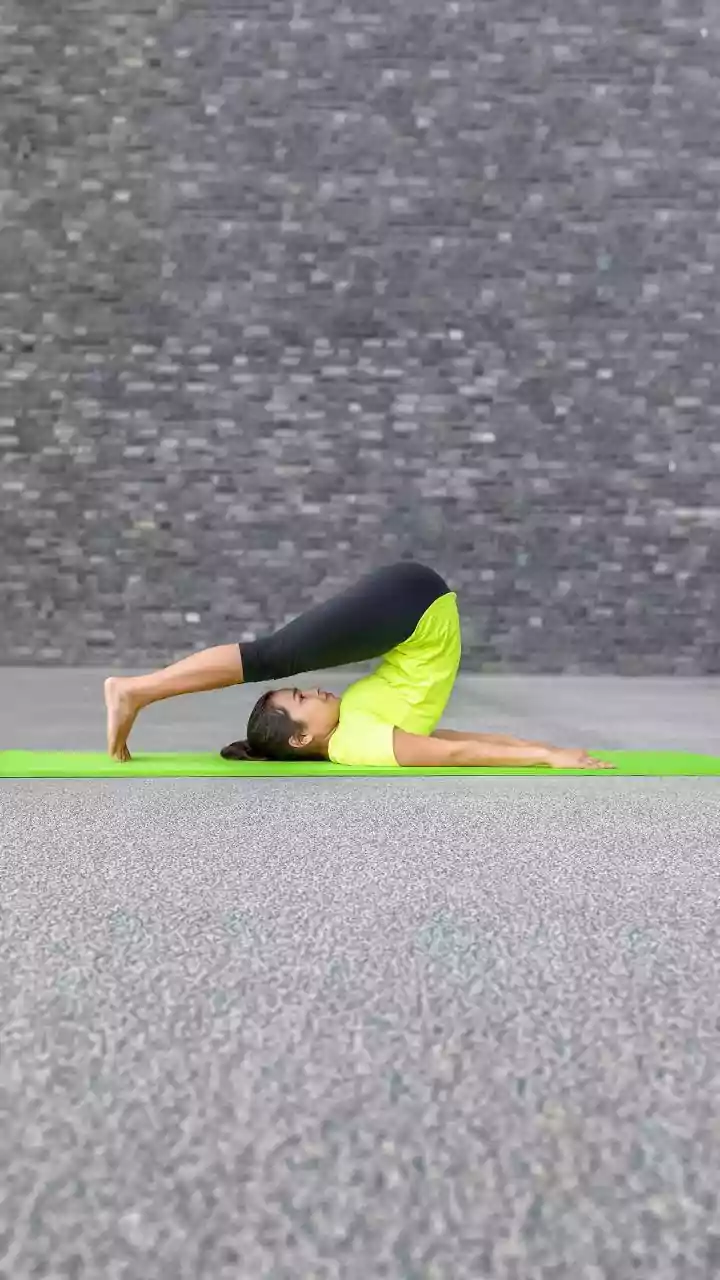
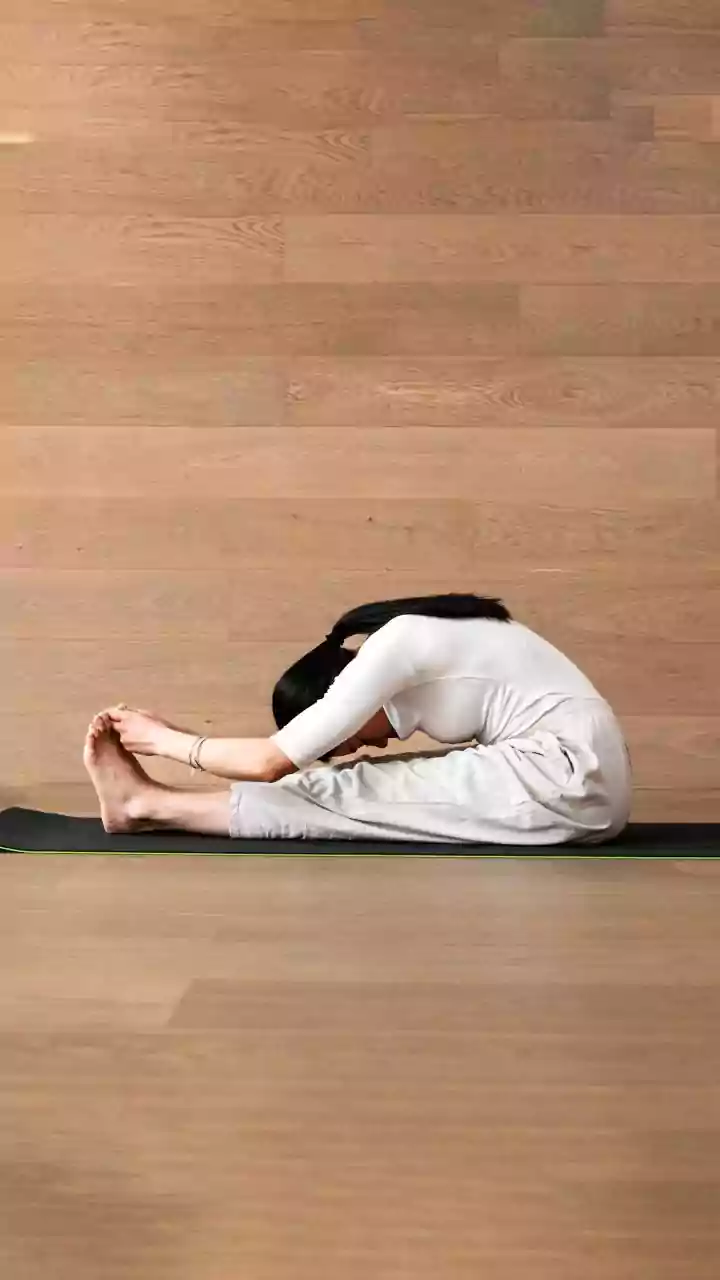
For most people, a 'basic' yoga class is their entry into this ancient practice. These sessions focus on building a strong foundation. You’ll typically learn foundational postures like Downward-Facing Dog, Warrior poses, and Triangle Pose, often linked
together in simple sequences like the Sun Salutation. The primary goal here is to develop body awareness, learn to connect movement with breath, and gradually build strength and flexibility. This level is accessible to nearly everyone, emphasising safe alignment and consistency over accomplishing complex shapes. It’s the essential groundwork required before progressing to more demanding asanas.
Introducing the Hidden Lotus Pose
The Hidden Lotus Pose, known in Sanskrit as Gupta Padmasana, is an advanced posture that demonstrates a deep level of physical and mental discipline. It begins with Padmasana (Lotus Pose), where each foot is placed on the opposite thigh. From there, the practitioner leans forward, bringing their torso to rest on the floor, and binds their hands behind their back. The name 'Gupta', meaning 'hidden', refers to how the pose conceals the feet and encourages a state of turning inward, away from external distractions. Some variations involve binding the arms to grasp the toes, known as Baddha Padmasana. It's a complex posture that integrates deep hip opening, spinal flexibility, and shoulder mobility.
The Chasm of Flexibility and Strength
The most apparent difference lies in the physical demands. Basic yoga systematically builds flexibility in major muscle groups. Hidden Lotus, however, requires an extraordinary degree of openness in multiple joints simultaneously. To even attempt it safely, one needs highly flexible hips, knees, and ankles to settle into a comfortable Lotus Pose without strain. The subsequent forward bend and arm bind demand significant shoulder mobility and back flexibility. While basic poses build foundational strength, advanced asanas like this require the engagement of deep stabilising muscles throughout the body to maintain the posture with control and poise.
A Deeper State of Mindful Focus
Beyond the physical, the mental component evolves significantly. In a beginner's practice, the focus is on learning to be present and observing physical sensations. In an advanced pose like Hidden Lotus, that focus intensifies dramatically. Holding such a complex, and at times uncomfortable, position requires immense concentration and calm, steady breathing to prevent the body from tensing up. It's a meditative state where the practitioner must be acutely aware of the body's subtle shifts and limits to avoid injury. This deep mind-body connection is what defines a truly advanced practice, turning the physical posture into a form of meditation.
The Journey Embodied by Shilpa Shetty
Shilpa Shetty’s ability to perform Gupta Padmasana is a testament to years of consistent and dedicated practice. It's a powerful reminder that such poses are not achieved overnight. Her journey illustrates the progression of yoga: from mastering the fundamentals to gradually exploring more complex asanas with patience and respect for the body's limits. As Shilpa herself has noted, yoga’s benefits go beyond the physical, helping to improve focus and build inner resilience. Attempting advanced postures without this gradual preparation can lead to serious injury. Instructors always advise mastering foundational poses before moving on to more challenging ones like the Hidden Lotus.