








A Patchwork of Rules, Not a National Mandate
The first thing to understand is that India does not have a single, nationwide law that mandates registration and microchipping for all pets. Instead, regulations are created and enforced at the local level by municipal corporations. This means the rules
in Mumbai can be vastly different from those in Delhi, Bengaluru, or a smaller town. While there's a strong push from animal welfare organisations to make microchipping a standard practice for better traceability and safety, it is not yet a universal legal requirement for all pet animals.
Step 1: Check Your Local Municipal Corporation Website
The most crucial step for any pet owner is to check with their local civic authority. Most major cities like Delhi, Mumbai, and Bengaluru have dedicated sections on their municipal corporation websites for pet registration. Search for terms like "pet registration," "dog license," or "animal welfare" along with the name of your city. These portals will provide the most accurate information on which animals require registration, the necessary documents, associated fees, and whether microchipping is a compulsory part of the process in your area. Many of these services are now available online, making the process much more convenient.
What About Cats, Birds, and Other Pets?
While most existing regulations have historically focused on dogs, the conversation is slowly expanding. Some cities are now including or considering cats in their mandatory registration and microchipping by-laws. For instance, the Greater Chennai Corporation has made microchipping and licensing mandatory for both dogs and cats. For other animals like birds or exotic pets, the rules can be more complex and may also involve the state's Forest Department, especially if the species falls under the Wildlife Protection Act, 1972. If you own an animal other than a cat or dog, checking with your municipal authority is still the correct first step, as they can guide you on the specific regulations that apply.
Understanding Microchipping: Mandatory vs. Recommended
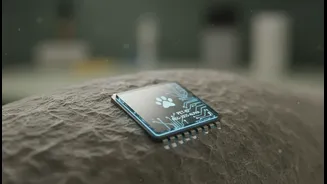
A microchip is a tiny electronic device, the size of a grain of rice, implanted under your pet's skin. It holds a unique identification number that can be read by a scanner, linking the pet back to you. It is not a GPS tracker. While it may only be mandatory in a few cities for specific pets, veterinarians and animal welfare experts universally recommend it. A microchip is a permanent form of identification that can't get lost like a collar or tag. It significantly increases the chances of being reunited with your pet if they get lost and serves as proof of ownership in case of a dispute. The procedure is quick, safe, and relatively inexpensive.
What if Microchipping is Optional in My Area?
Even if your local laws do not require you to microchip your cat, rabbit, or other companion animal, doing so voluntarily is a key part of responsible pet ownership. The peace of mind it offers is invaluable. In the unfortunate event that your pet escapes or gets lost, any vet or animal shelter with a scanner can identify them and contact you immediately. Furthermore, a microchip is mandatory for any international travel with your pet and is increasingly recommended even for domestic travel. Choosing to microchip your pet, regardless of the law, is a proactive step to ensure their lifelong safety and security.