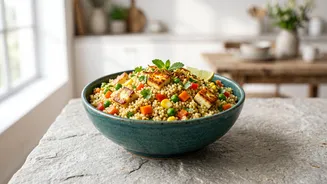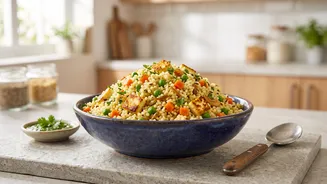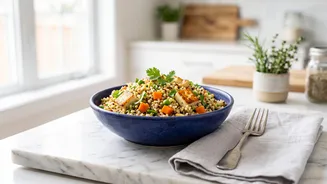



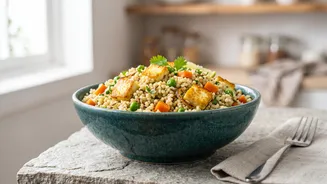
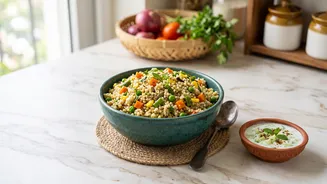
In the search for a wholesome and satisfying lunch, many of us are rediscovering an ancient secret hidden in plain sight: millet pulao. This is more than just a recipe; it's a story of how ancient grains and seasonal vegetables come together.
The Mighty Millet's Comeback
Not long
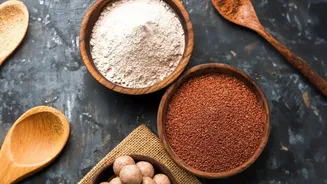
ago, millets were considered humble grains, but today they are celebrated as superfoods. For thousands of years, varieties like jowar (sorghum), bajra (pearl millet), and ragi (finger millet) were staples in the Indian diet, with evidence of their cultivation dating back to the Indus Valley Civilization. These grains are nutritional powerhouses, naturally gluten-free and packed with protein, dietary fibre, and essential minerals like iron, calcium, and magnesium. Their high fibre content aids digestion, helps manage blood sugar levels by preventing spikes, and contributes to a feeling of fullness, which can support weight management. After falling out of favour during the Green Revolution, which prioritized wheat and rice, millets are making a major comeback. This resurgence is driven by their impressive health benefits and their resilience as a crop, as they require less water and can grow in arid conditions, making them environmentally friendly.
The Wisdom of Eating Seasonally
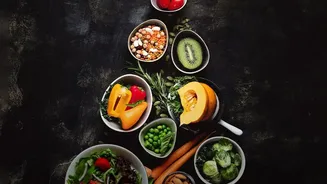
Pairing millets with seasonal vegetables is not a new trend but a time-honoured practice rooted in logic and nature's rhythm. Eating seasonally means choosing produce that is naturally harvested at a specific time of year in your region. This practice offers several advantages. First, seasonal vegetables are typically fresher, more flavourful, and more nutrient-dense because they are picked at their peak ripeness and spend less time in transit and storage. Think of crisp carrots and peas in the winter or hydrating gourds and cucumbers in the summer. Eating with the seasons also encourages dietary diversity. Instead of relying on the same few vegetables year-round, you naturally rotate your intake, which exposes your body to a wider array of vitamins, minerals, and antioxidants. This variety is also beneficial for gut health, as different plant fibres feed different populations of beneficial gut bacteria.
A Perfect Nutritional Partnership
When you combine millets and seasonal vegetables, you create a meal that is nutritionally balanced and synergistic. Millets provide complex carbohydrates for sustained energy, plant-based protein, and fibre. Vegetables complement this by adding essential vitamins, minerals, and antioxidants that might be less abundant in grains. For example, millets are rich in B vitamins, while colourful vegetables provide vitamins A and C. This combination creates a complete meal. The fibre from both the grains and vegetables works together to support digestive health and regulate blood sugar. The vegetables also add much-needed moisture and texture to the naturally fluffy but sometimes dry millet grains, making the dish more palatable and enjoyable. This pairing ensures you get a balanced mix of macronutrients—carbohydrates, protein, and healthy fats (if using a little oil or ghee)—and a wide spectrum of micronutrients in a single bowl.
How to Build Your Balanced Millet Pulao
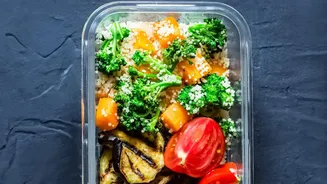
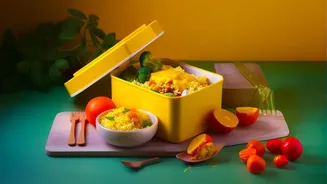
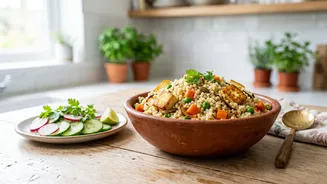
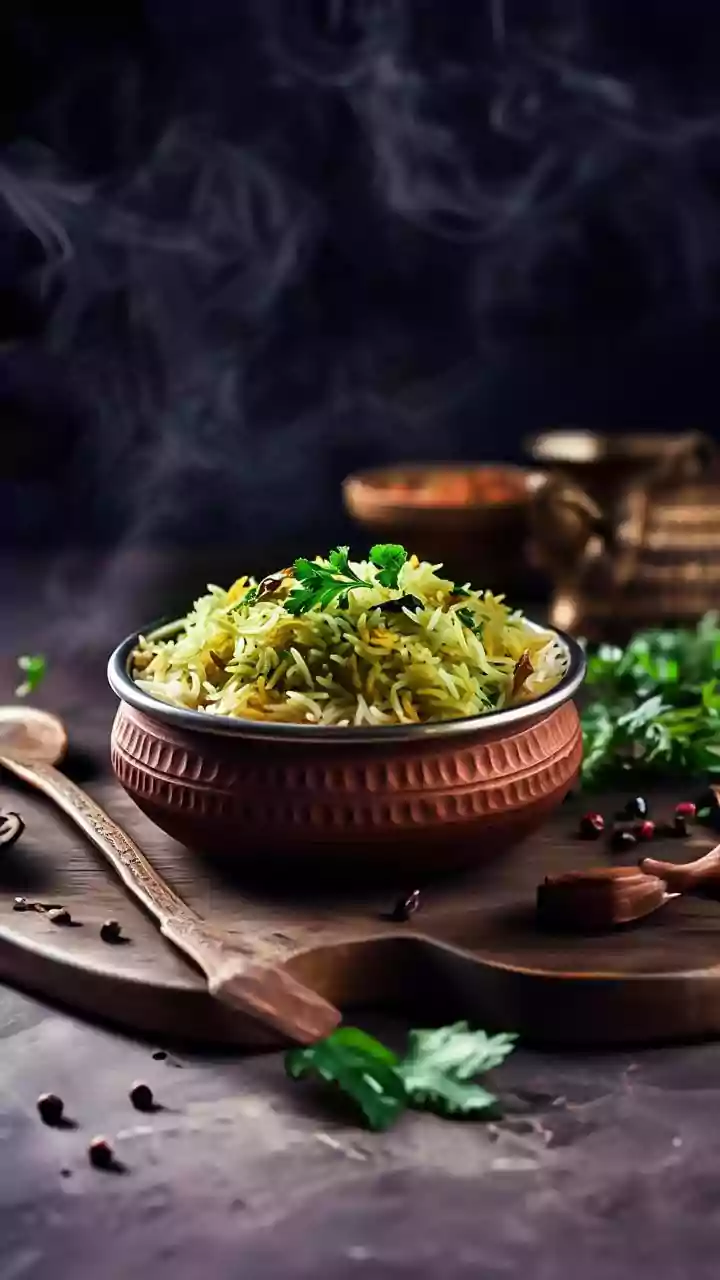
Creating your own seasonal millet pulao is simple and allows for endless creativity. The base is cooked millet—foxtail, little, or barnyard millets work wonderfully as they cook up light and fluffy like rice. From there, let the season guide your choice of vegetables. During winter months, opt for warming and hearty vegetables like carrots, French beans, green peas, cauliflower, and bell peppers. In the summer, lighter, water-rich vegetables such as zucchini, bottle gourd, and tomatoes are excellent choices. During the monsoon, leafy greens and corn can be delicious additions. To build the pulao, simply sauté your chosen vegetables with ginger, garlic, and gentle spices like turmeric and cumin. Then, add the cooked millet and mix everything together. You can enhance the flavour and nutrition even further by adding a handful of nuts, seeds, or fresh herbs as a garnish. The result is a versatile one-pot meal that is both comforting and incredibly good for you.