
The Late-Summer Advantage
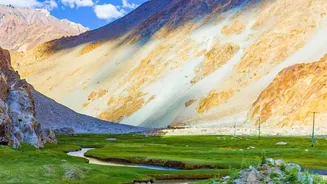
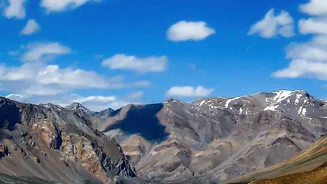
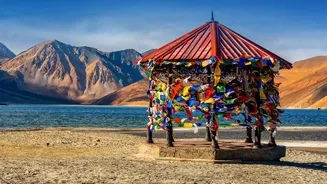
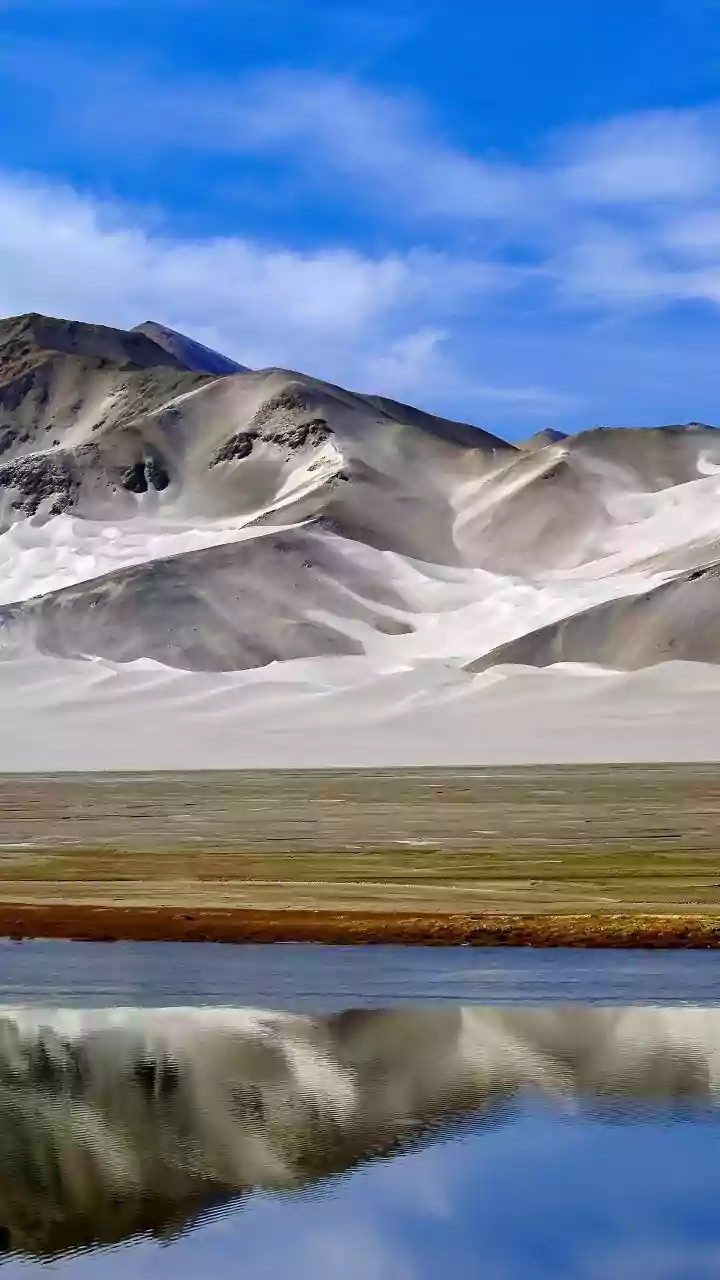
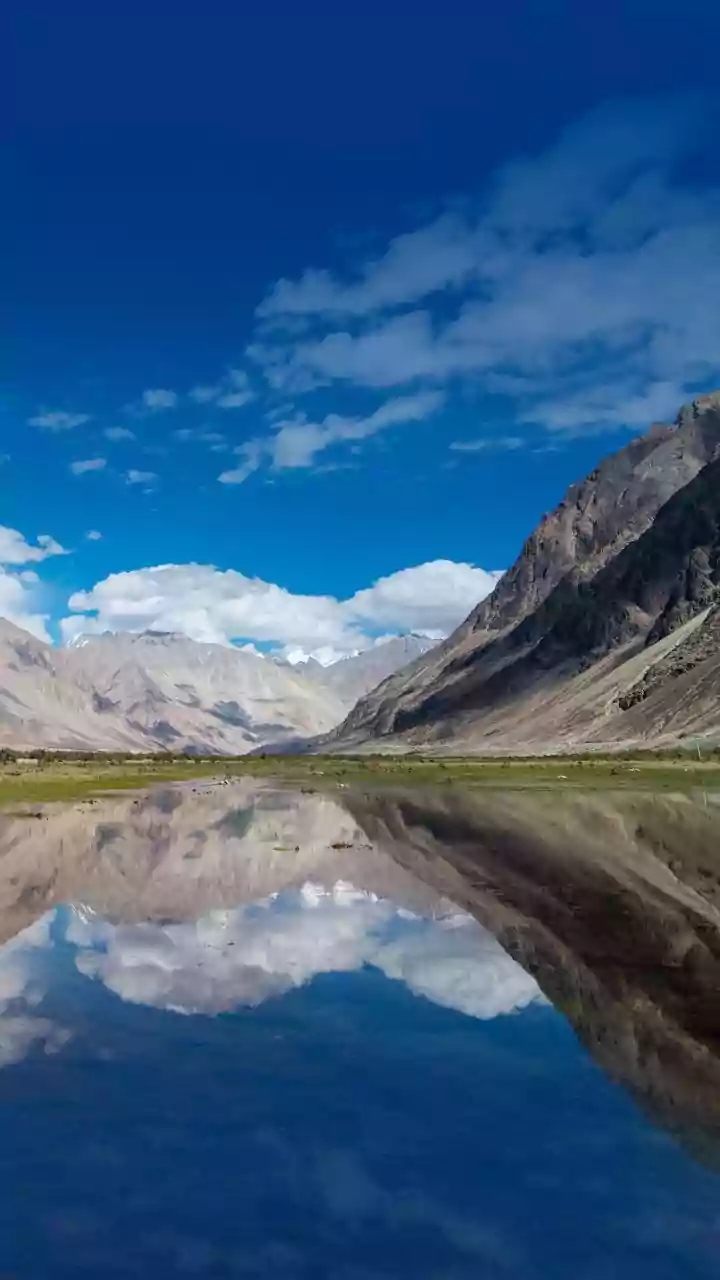
Visiting Ladakh in late summer, particularly from mid-August through September, is a strategic choice. The monsoon's retreat from the Indian mainland means Ladakh, which lies in a rain-shadow region, enjoys exceptionally clear and sunny skies. This period
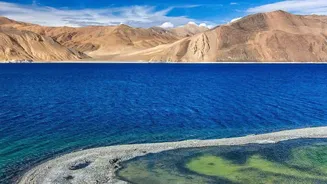
offers vibrant landscapes and comfortable daytime temperatures, typically ranging from 15°C to 25°C in Leh. However, the nights get considerably colder, especially at the high altitude of Pangong Lake, where temperatures can dip close to freezing. This is a sweet spot between the peak tourist rush of July and August and the onset of harsh winter, making it ideal for those seeking relative tranquillity.
Acclimatisation Is Non-Negotiable
The single most critical factor for a successful Ladakh trip is proper acclimatisation to the high altitude. Leh itself sits at about 3,500 metres (11,500 feet), and jumping into strenuous activity immediately upon arrival can lead to Acute Mountain Sickness (AMS), with symptoms like headaches, dizziness, and nausea. The rule is simple: rest for a minimum of 48 hours in Leh before ascending to higher altitudes like Pangong Tso (4,250 metres). Use these first two days for gentle walks around Leh bazaar or to nearby sites like Shanti Stupa, but avoid overexertion. Staying hydrated by drinking at least 4-5 litres of water daily is crucial, while avoiding alcohol will also help your body adjust.
Securing Your Inner Line Permit
As Pangong Tso is situated in a restricted area near the Line of Actual Control, all Indian tourists are required to obtain an Inner Line Permit (ILP). This permit is essential for passing through the various army checkpoints en route. The process is straightforward and can be done online through the official Leh administration portal or in person at the DC office in Leh. It’s advisable to apply for the permit as soon as you arrive in Leh. You'll need a valid photo ID like an Aadhaar card or passport. Keep multiple photocopies of the permit, as you will need to submit them at checkpoints like Karu and Tangtse.
The Journey Through Chang La
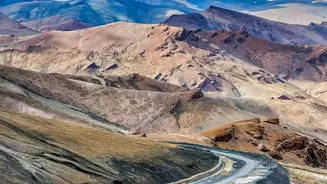
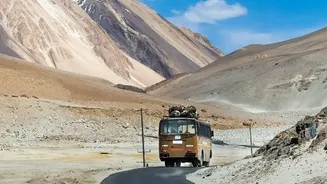
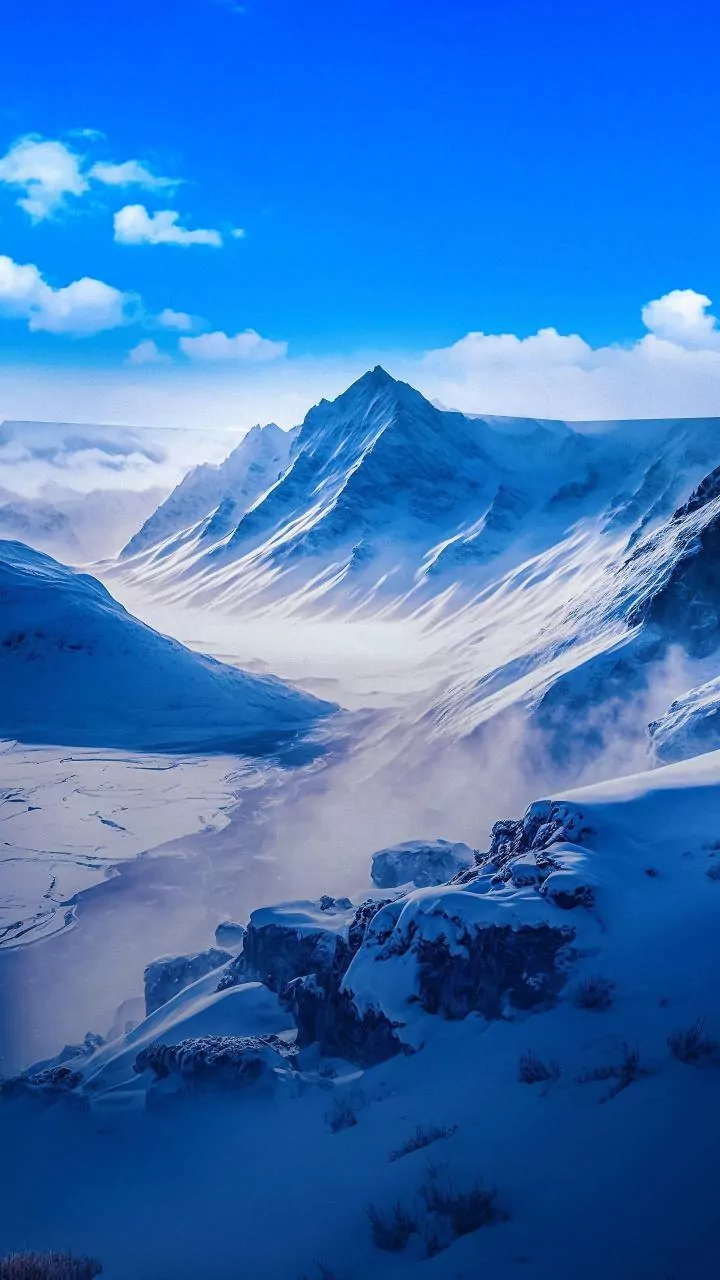
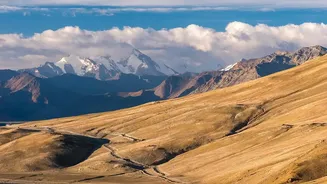
The drive from Leh to Pangong Tso is an adventure in itself, covering approximately 160 kilometres in about five to six hours. The route takes you over the formidable Chang La pass, one of the highest motorable passes in the world at an altitude of 5,360 metres (17,586 feet). The roads are generally paved and in good condition for most of the way, though the stretch around Chang La itself can be rough. It is advised not to spend more than 15-20 minutes at the pass to avoid altitude-related discomfort. A small canteen run by the Indian Army at the top offers a welcome cup of hot tea. Remember to fill your fuel tank in Leh, as there are no petrol pumps along the way.
Packing For Four Seasons In A Day
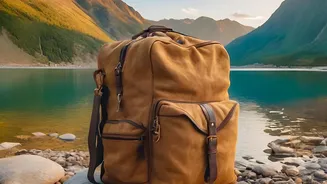
The weather in Ladakh can be unpredictable, and the key to comfort is layering. For a late-summer trip, your packing list should include a combination of light and warm clothing. Essentials include thermal innerwear, fleece jackets, and a windproof and waterproof outer layer. The sun's UV rays are incredibly strong at this altitude, so a wide-brimmed hat, sunglasses, and high-SPF sunscreen are non-negotiable. Evenings and nights by Pangong Lake will be cold, so pack woollen socks and a warm cap. It's also wise to carry a basic medical kit with remedies for headaches, indigestion, and any personal medications.
Staying By The Lake
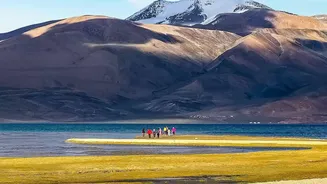
Experiencing a sunset and sunrise at Pangong is magical, making an overnight stay highly recommended over a rushed day trip. Accommodation is primarily available in the villages of Lukung and Spangmik. Options range from basic homestays to more comfortable permanent campsites and cottages offering attached facilities. During the late-summer season, it is wise to book your stay in advance, as options become more limited. Be prepared for limited electricity, which is often available for only a few hours in the evening via generators.
Travel Responsibly
The pristine beauty of Ladakh's ecosystem is fragile. As a visitor, it is vital to practice responsible tourism. The region is a cold desert where resources like water are scarce. Avoid single-use plastics by carrying a reusable water bottle, which can be refilled at many guesthouses or designated spots in Leh. Do not drive vehicles on the lake's shores, as this causes irreversible damage. Respect local culture by dressing modestly, especially when visiting monasteries, and always ask for permission before photographing people. By leaving no trace, you help preserve this Himalayan treasure for future generations.