



What is El Niño and Why Does It Matter?
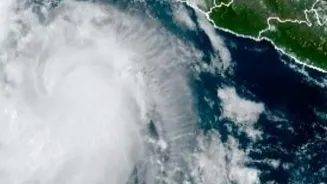
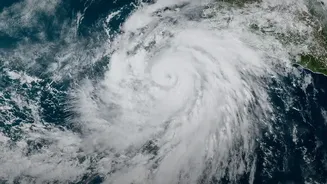
El Niño is a naturally occurring climate pattern, but its effects are far-reaching. It begins with the unusual warming of surface waters in the central and eastern Pacific Ocean. This oceanic shift disrupts atmospheric circulation globally, altering temperature
and rainfall patterns. For India, this can mean weaker monsoon rains, prolonged dry spells, and hotter temperatures, creating a ripple effect that impacts agriculture, water supply, and, critically, public health. The World Health Organization (WHO) has identified India as a country facing high to very high public health risks from the 2026 event. In fact, the WHO has escalated its global response to its highest emergency level, underscoring the severity of the threat.
A 'Super El Niño' in 2026
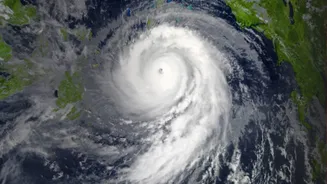
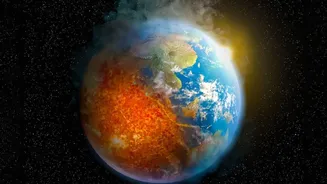
Not all El Niño events are created equal. The 2026-2027 event is tracking as a 'strong to very strong' one, with some forecasters nicknaming it a 'Super El Niño'. Forecasts from international bodies like the U.S. National Oceanic and Atmospheric Administration (NOAA) suggest it has the potential to be one of the strongest on record since 1950. This heightened intensity means the associated weather disruptions are likely to be more extreme, amplifying the consequent health risks. The combination of record-hot global sea temperatures and a powerful El Niño creates a dangerous threat multiplier, turning predictable seasonal challenges into potential crises.
The Rise of Vector-Borne Diseases
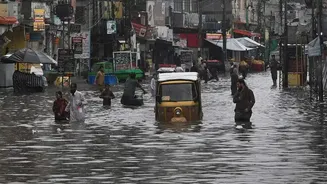
One of the most immediate health threats for India during an El Niño is a surge in vector-borne diseases. Warmer temperatures and irregular rainfall create ideal breeding conditions for mosquitoes. Higher temperatures accelerate the mosquito's life cycle and shorten the incubation period for viruses like dengue, meaning the disease can spread faster. Erratic rains can lead to both flooding and water storage in homes, creating stagnant pools where Aedes aegypti and Anopheles mosquitoes, carriers of dengue, chikungunya, zika, and malaria, can thrive. Health authorities have already noted a correlation between past El Niño years and spikes in dengue cases and are bracing for a similar trend. State health departments have been urged to increase surveillance and prepare for outbreaks.
Heat Stress and Water-Borne Illnesses
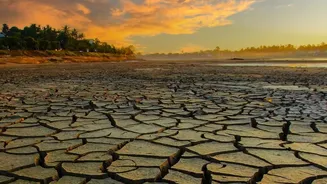
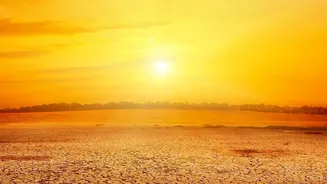
Prolonged heatwaves are another significant consequence. These can lead to a rise in heat-related illnesses such as dehydration, heat exhaustion, and life-threatening heatstroke, particularly among the elderly, children, and outdoor workers. The heat also puts immense strain on individuals with pre-existing conditions like cardiovascular or respiratory diseases. At the same time, El Niño can disrupt water systems. Droughts may lead to water scarcity, while intense rainfall can cause flooding that contaminates drinking water sources. This increases the risk of water-borne diseases like cholera, typhoid, and other gastrointestinal infections.
Food Security and National Preparedness
The impact on agriculture threatens to create another layer of health crises: malnutrition and food insecurity. Disrupted monsoon patterns can lead to crop failures, reducing food availability and driving up prices, which disproportionately affects poor and rural households. The World Food Programme has warned that the current El Niño could push millions more people into acute hunger globally. In response, Indian authorities are activating contingency plans. The Ministry of Health and Family Welfare is coordinating with bodies like the National Disaster Management Authority (NDMA) to prepare health facilities, ensure the continuity of essential services, and run public awareness campaigns. Measures include strengthening disease surveillance portals, readying hospitals for a surge in patients, and ensuring supply chains for essential medicines remain intact.