



The Policy Shift That Opened the Stars
The game changed in 2020 with the creation of the Indian National Space Promotion and Authorisation Centre (IN-SPACe). This body was established to enable private companies to participate in the full spectrum of space activities. The Indian Space Policy
of 2023 further solidified this shift, formally permitting Non-Government Entities (NGEs) to build everything from satellites and rockets to ground stations. The goal was clear: let private firms handle more routine and commercial operations, freeing up ISRO to focus on strategic and scientific missions like Gaganyaan and Chandrayaan. This has unleashed a wave of innovation, with the number of private space startups growing from just a handful a decade ago to over 400 today. The Indian space economy, valued at around $8.4 billion, is now projected to hit $44 billion by 2033.
Meet the New Space Pioneers
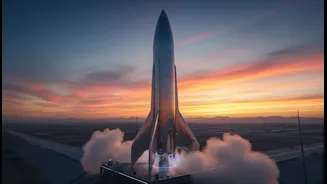
Several startups have become the face of this new era. Hyderabad-based Skyroot Aerospace, founded by former ISRO scientists, made history by launching India's first privately developed rocket. The company now employs over 1,000 experts and is hiring for roles ranging from structural and thermal engineers to CNC programmers. Chennai-based Agnikul Cosmos, incubated at IIT Madras, is another key player, known for its 3D-printed rocket engines. They are actively seeking mission design software developers and propulsion engineers. Then there's Pixxel, a space data company building a constellation of hyperspectral imaging satellites. Based in Bengaluru, their team of over 200 is expanding with roles for computer vision scientists, ground software leads, and satellite test engineers. These companies represent a fundamental shift, blending deep tech expertise with startup agility.
The In-Demand Skillsets of a New Industry
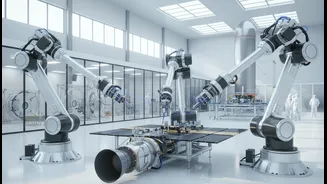
The modern space industry requires a much broader range of skills than just traditional aerospace engineering. While demand for mechanical, avionics, and propulsion engineers remains high, the need for software talent is exploding. Coders are needed to develop everything from mission design software and ground control systems to embedded software for avionics. With companies like Pixxel launching Earth observation satellites, the demand for data analysts and geospatial scientists is surging. These professionals turn raw satellite imagery into actionable insights for sectors like agriculture, mining, and climate monitoring. Furthermore, the industry is drawing talent from adjacent fields like advanced manufacturing, robotics, and AI, creating a dynamic job market for professionals with high-precision skills.
Building the Next-Generation Workforce
This boom isn't just about jobs; it's about building a sustainable talent pipeline. The success of ISRO's missions has ignited interest among students, with many now listing aerospace engineering as a top preference. For aspiring space professionals, a strong foundation in physics, mathematics, and computer science is non-negotiable. Degrees in aerospace, mechanical, electronics, and computer science engineering are the most direct pathways into technical roles. But the industry is also creating opportunities for non-engineers in areas like business development, program management, and legal compliance. This diversification is crucial as the sector moves from pure research and development to scalable commercial operations, creating a robust, multi-disciplinary workforce that can compete on a global scale.