






First, Let’s Talk About Fibre
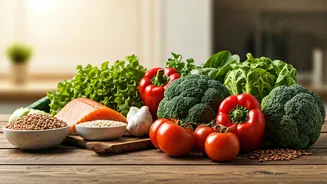
You’ve likely heard that fibre is good for you, primarily for keeping digestion regular. While that’s true, its most important job happens on a microscopic level. Dietary fibre, the indigestible part of plant foods like fruits, vegetables, whole grains,
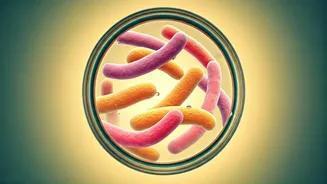
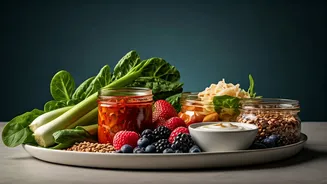
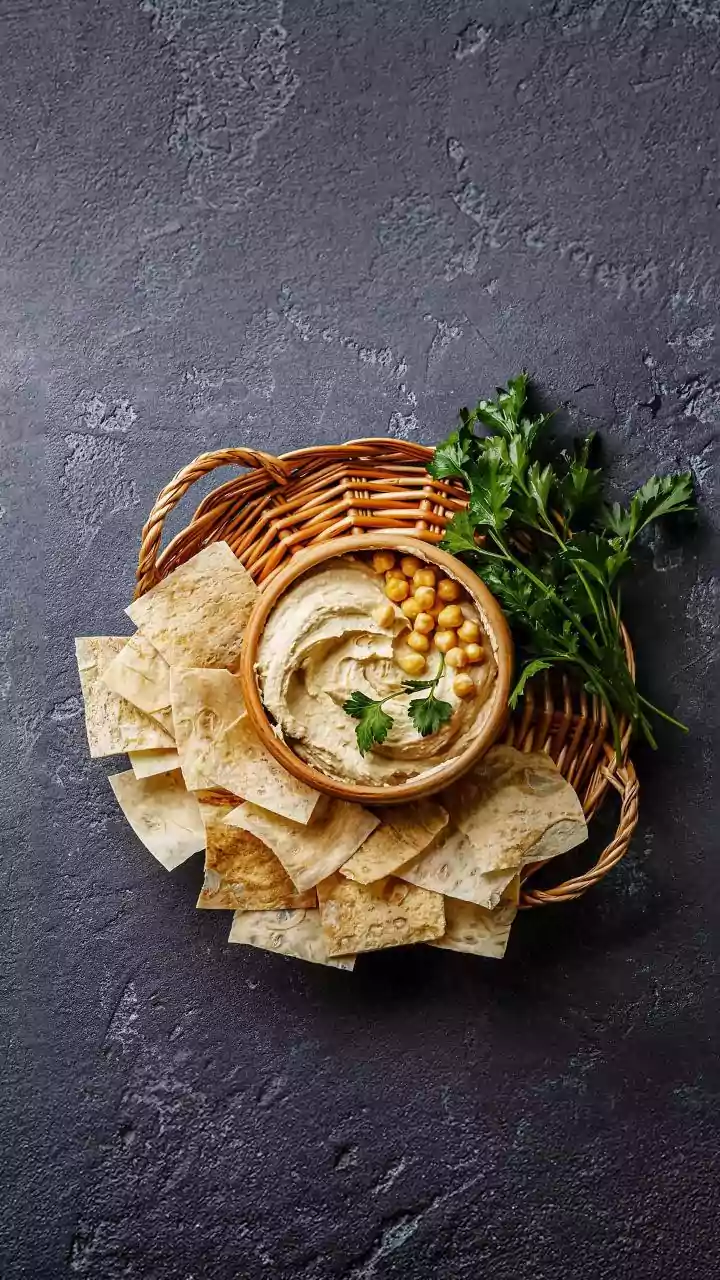
and legumes, acts as a prebiotic. Think of prebiotics as the dedicated food source for the trillions of beneficial microorganisms living in your gut. Since your body can't break down these fibres, they travel to the large intestine, where they become a feast for your friendly gut bacteria. When these microbes are well-fed, they thrive, multiply, and help keep harmful bacteria in check, supporting everything from your immune system to the production of essential nutrients.
Then Come the Ferments
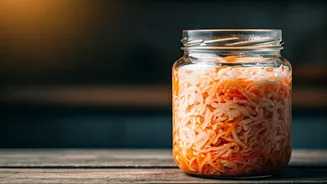
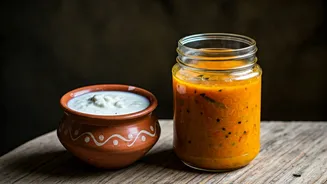
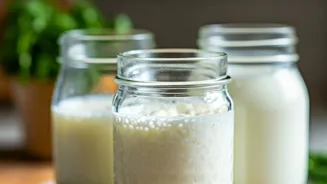
Fermented foods have been staples in diets across the world for centuries, valued for preservation and flavour. Today, we recognise them as a primary source of probiotics. Probiotics are live, beneficial bacteria that, when consumed, can take up residence in your gut. Traditional Indian foods are rich in these. Think of the live cultures in dahi (curd) and chaas (buttermilk), or the natural fermentation in idli, dosa, and homemade achaar (pickles made without vinegar). These foods introduce new, helpful soldiers to your gut army. Their presence can help improve microbial diversity, strengthen your gut barrier, and even reduce inflammation.
The Synergy: A Perfect Partnership
Here’s where the magic happens. Pairing fibre and ferments is not just about consuming two healthy things; it’s about creating a synergistic effect. This combination is sometimes called a 'synbiotic'. The probiotics (from fermented foods) are the beneficial microbes, and the prebiotics (from fibre) are the fuel they need to survive and flourish in the competitive environment of your gut. By eating them together, you are not only delivering good bacteria but also providing them with the provisions they need to successfully colonise and do their job. This powerful combination enhances the benefits of both, leading to a more resilient and balanced gut microbiome, which is the foundation of overall health.
Putting the Duo on Your Plate
Incorporating this duo into your daily meals is simpler than it sounds and aligns perfectly with many traditional Indian eating habits. The goal is to consciously pair a fibre source with a fermented one. For breakfast, try having poha with a side of dahi, or top your whole-grain toast with a slice of traditionally made paneer. For lunch or dinner, a meal of dal (lentils, a great fibre source) and whole-wheat roti with a side of homemade pickle or a glass of chaas is a classic synbiotic combination. Even a simple snack of a banana (rich in prebiotic fibre) with a bowl of curd can be incredibly beneficial. The key is variety and consistency to continuously support your gut ecosystem.
More Than Just Digestion
The benefits of a healthy gut, nurtured by fibre and ferments, extend far beyond just comfortable digestion. A balanced microbiome is increasingly linked to a stronger immune system, as a significant portion of your immune cells reside in the gut. Research also points to connections between gut health and improved mental well-being via the gut-brain axis, better regulation of blood sugar, and a lower risk of chronic inflammation. By focusing on this foundational food pairing, you are not just fine-tuning your digestive system; you are making a powerful investment in your long-term, holistic health.