


The Oldest New Thing on the Menu
Walk through any major Indian food festival today, and you will notice a subtle shift. Squeezed between a stall selling nitrogen ice cream and another offering Korean corn dogs, you might find a home chef proudly serving a slow-cooked mutton curry from
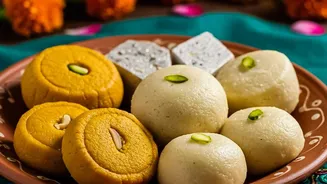
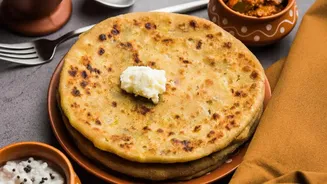
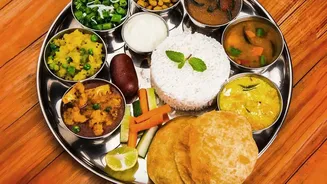
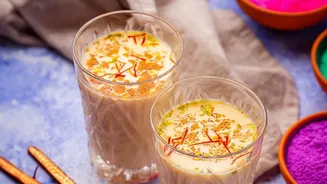
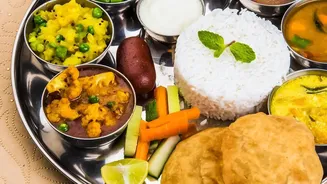
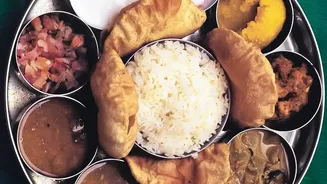
a recipe their grandmother perfected. At events that once celebrated only the new and the foreign, there is a growing appetite for the familiar and the forgotten. This isn't just about 'authentic' food; it's about food with a story. Organizers are increasingly curating spaces for home cooks and small entrepreneurs who specialize in hyper-regional or family-specific dishes—the kinds of meals that were previously only available in private kitchens. This movement reflects a renewed interest in cultural roots, where food is the most intimate connection to heritage.
From Grandmother's Kitchen to Gourmet Stalls
This trend is powered by a new generation of food entrepreneurs who see value not just in a dish, but in its history. Initiatives like 'The Lost Recipe', launched by ITC Sunrise Spices in Assam, actively encourage home cooks to share and revive forgotten flavours, complete with the personal stories behind them. Participants present dishes passed down through generations, using age-old techniques that elevate simple ingredients into a gourmet experience. These platforms empower passionate cooks to bring their family's culinary legacy to a wider audience, turning a cherished memory into a viable business. For many, it's a way of preserving a piece of their family's identity and sharing the emotional comfort that these recipes provide.
A Craving for Comfort and Connection
So, why this sudden hunger for the past? The answer, in a word, is nostalgia. In a world of digital fatigue and rapid globalization, there is a collective yearning for things that feel real and grounded. Food, with its powerful ability to evoke memories, has become a primary vehicle for this sentiment. A single bite can transport someone back to their childhood, to a time of family meals and simpler pleasures. This emotional connection is a potent driver of consumer behaviour. As younger generations navigate fast-paced urban lives, often far from home, a plate of familiar food offers more than just sustenance; it provides a sense of belonging and continuity with their cultural roots.
The Business of Authenticity
Of course, where there's a trend, there's a market. Brands and festival organizers have recognized that nostalgia sells. However, consumers are discerning; they want authenticity that is precise and genuine, not just a marketing gimmick. The success of this trend lies in its ability to combine heritage with innovation—a concept sometimes called "Newstalgia". It’s about presenting time-honoured flavours in a modern, accessible format, like a festival stall. Entrepreneurs are not just selling food; they are marketing a narrative of cultural preservation and emotional comfort. This approach has proven highly effective, suggesting that nostalgic appeals are strongest when they feel both historically significant and relevant to contemporary life.
More Than Just a Food Trend
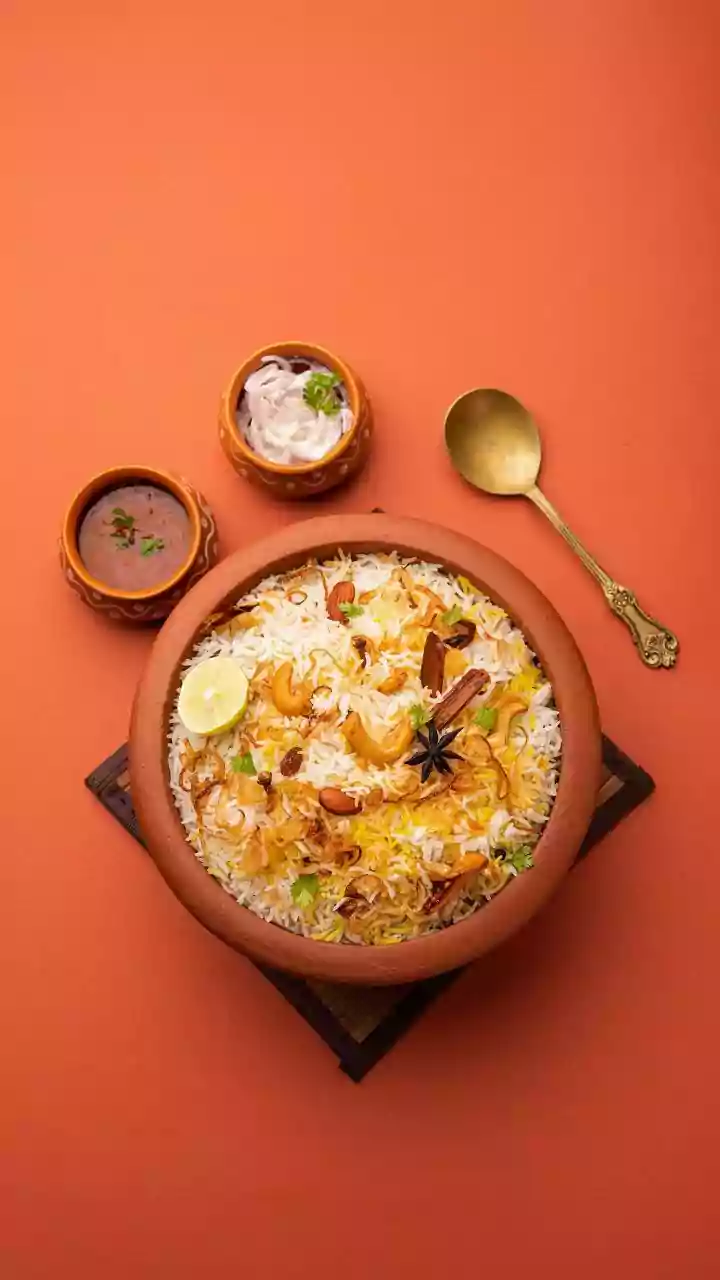
Ultimately, the rise of heirloom recipes in modern food spaces signifies a deeper cultural shift. For a long time, Indian cuisine was often represented by a few popular dishes like butter chicken or biryani. Now, there is a growing confidence and curiosity in exploring the vast diversity of the country's regional and community-specific cuisines. Reviving these "lost recipes" is an act of cultural reclamation. It's a statement that our culinary heritage is not static but a living, breathing tradition that deserves to be celebrated. As chefs and home cooks continue to dig into their family archives, they are doing more than just cooking; they are ensuring that the stories and identities baked into these dishes are not forgotten.