



What Are Hydrogen-Powered Trains?
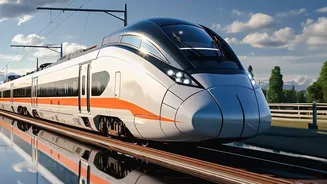
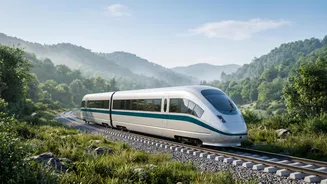
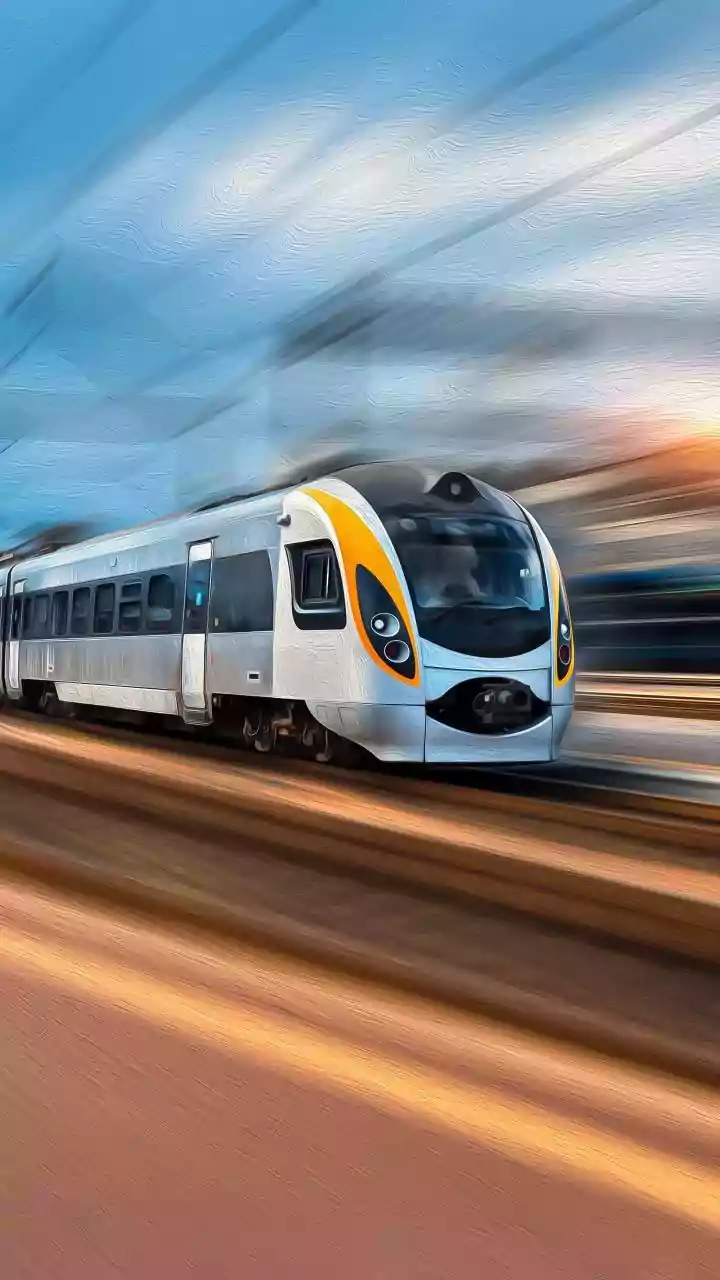
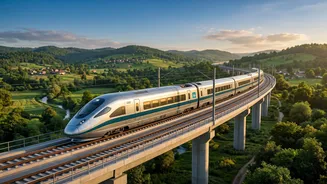
Imagine a train that runs on electricity but doesn't need overhead power lines and emits only water vapour. That's the core promise of a hydrogen train. Instead of a diesel engine, these trains use a hydrogen fuel cell system. Onboard tanks store hydrogen,
which is fed into a fuel cell. Inside the cell, a chemical reaction between hydrogen and oxygen from the air generates electricity. This electricity then powers the motors that move the train. The only byproduct of this process is water, making it a zero-emission mode of transport at the point of use. This technology is seen as a crucial clean alternative to diesel locomotives, especially on routes where full electrification is challenging or not cost-effective. India joins a select group of nations like Germany and Japan in exploring this next-generation rail technology.
The 'Hydrogen for Heritage' Initiative
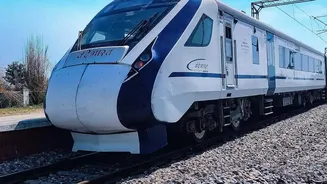
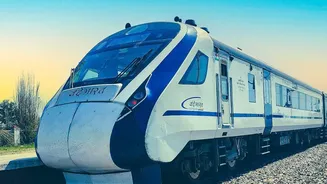
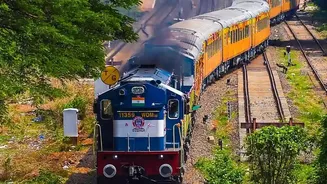
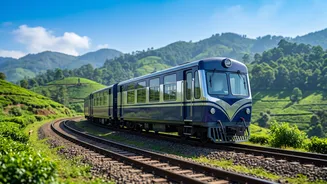
The project to bring these futuristic trains to India's most scenic routes is officially called 'Hydrogen for Heritage'. The plan involves introducing 35 hydrogen trains across eight iconic, narrow-gauge railway lines. These routes include the Kalka-Shimla Railway, Darjeeling Himalayan Railway, and Nilgiri Mountain Railway, all of which are major tourist attractions and UNESCO World Heritage Sites. The initiative aims to preserve the charm and ecological sensitivity of these historic corridors while modernising them with clean technology. The first pilot project involved retrofitting an existing Diesel Electric Multiple Unit (DEMU) train with a hydrogen fuel cell. Following successful tests, the first hydrogen train began operations on the Jind-Sonipat section in Haryana in July 2026. The experience gained from this initial run is now being used to plan the deployment on the more challenging heritage tracks.
A Major Leap for India's Green Goals
This initiative is a cornerstone of Indian Railways' ambitious target to become a 'Net-Zero Carbon Emitter' by 2030. As one of the world's largest railway networks, this commitment has a significant impact on India's national climate goals, including its pledges under the Paris Agreement. While Indian Railways has already achieved near-total electrification of its broad-gauge network, many heritage lines and other routes still rely on diesel. By replacing these diesel locomotives, the hydrogen trains will drastically cut down on greenhouse gas emissions, air pollutants, and noise pollution in ecologically fragile areas. This aligns perfectly with the broader National Green Hydrogen Mission, which aims to make India a global hub for the production and use of clean hydrogen energy.
Challenges and the Road Ahead
While the technology is promising, its widespread adoption comes with hurdles. The primary challenge is cost. The initial expense of producing green hydrogen (made using renewable energy) and manufacturing the fuel cell systems is currently high. Each train is estimated to cost around ₹80 crore, with an additional ₹70 crore needed for ground infrastructure like hydrogen production and refuelling stations on each route. However, costs are expected to decrease as the technology matures and more trains are rolled out. Following initial trials, India's first hydrogen train has already hit speeds of 120 kmph, with plans to operate it at 110 kmph. The initial pilot on the Jind-Sonipat route has seen low passenger numbers, prompting officials to consider extending the service to Delhi to improve its utilisation and gather more operational data.