






The Promise of a Data Center in the Sky
The explosive growth of artificial intelligence is fueling an equally explosive demand for energy and water to power and cool massive, ground-based data centers. In response, several tech and aerospace companies are championing a radical solution: move
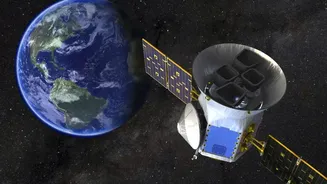
the data centers into space. The logic is compelling. In low-Earth orbit, satellites can harvest near-constant sunlight for power and radiate heat into the cold vacuum of space, bypassing terrestrial resource constraints. Companies like SpaceX have floated plans for constellations that could eventually number in the hundreds of thousands, or even over a million satellites, to create a global, orbital computing infrastructure. Proponents argue this could satisfy the world's soaring AI computing demands with a smaller environmental footprint on Earth.
An All-Seeing Eye on the Cosmos
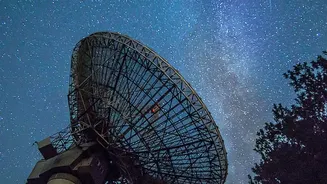
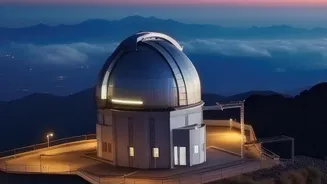
Meanwhile, nestled in the Chilean Andes, the Vera C. Rubin Observatory is preparing for a revolutionary mission. Its ten-year Legacy Survey of Space and Time (LSST) is designed to image the entire southern sky every few nights with unprecedented depth and width. This firehose of data—around 50 gigabytes per night—promises to transform our understanding of everything from dark matter and dark energy to the mapping of our own Milky Way. The observatory is a discovery powerhouse, expected to find millions of previously unseen objects, including asteroids and comets. This capability makes it a crucial, if unofficial, tool for planetary defense, able to spot potentially hazardous asteroids years before they might pose a threat to Earth.
When Satellites Outshine the Stars
Herein lies the conflict. The very qualities that make the Rubin Observatory so powerful also make it uniquely vulnerable to the coming wave of orbital infrastructure. Its wide field of view and deep sensitivity mean that satellites, which reflect sunlight, appear as bright streaks across its images. Simulations show that with just a fraction of the proposed satellites, a significant percentage of Rubin's images could be contaminated. One study projected that with 40,000 satellites, around 10% of all images would contain a trail, with most images taken during twilight being affected. These streaks can completely obscure the faint stars, galaxies, and asteroids the observatory is trying to detect.
More Than Just Streaks of Light
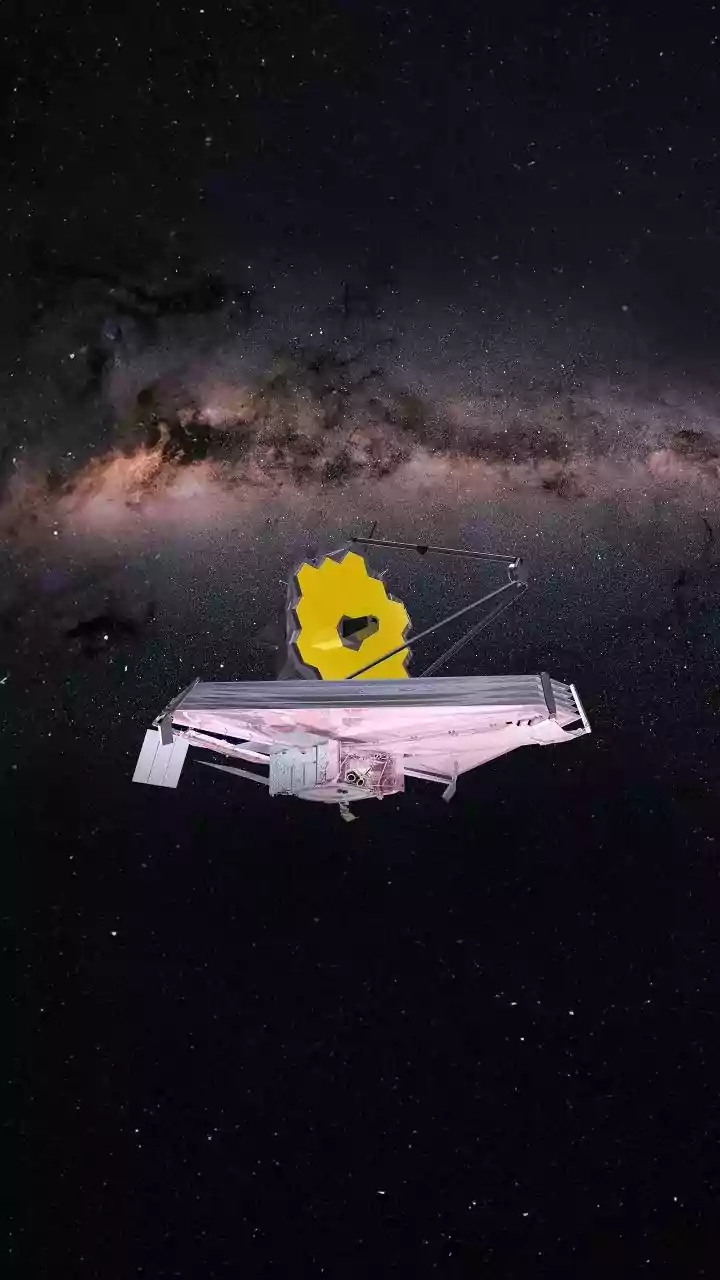
The concerns go beyond just visual light pollution. Orbital AI data centers would be massive, power-hungry machines. To get rid of waste heat, they would rely on large radiators, dumping enormous amounts of infrared energy into orbit. This introduces a new layer of thermal noise that could blind infrared-sensitive telescopes, a critical tool for studying the cosmos. Furthermore, the sheer number of planned satellites—a potential 75-fold increase over what is currently in orbit—raises dire concerns about orbital congestion, the risk of collisions creating runaway space debris, and interference with radio astronomy, which listens for the faintest signals from the universe. Some proposed satellites are so large and bright they could appear 100 times brighter than the brightest stars, fundamentally altering the night sky for everyone on Earth.
The Search for a Compromise
Astronomers are not just raising alarms; they are actively proposing and testing solutions. These include technical fixes like developing software to better mask or remove satellite trails from images. More critically, they are urging satellite operators to cooperate by implementing design changes. Key recommendations include painting satellites with darker, less reflective materials and, perhaps counterintuitively, keeping constellations at lower altitudes (below 600 kilometers). While lower satellites are brighter, they move faster and spend more time in Earth's shadow, reducing the overall time they are visible at night. However, many astronomers stress that no single mitigation strategy can completely eliminate the problem, especially given the scale of the proposed deployments. They are calling for international cooperation and regulation to protect the sky as a shared resource for all humanity.