



The Promise: Rules, Regulations, and QR Codes
On paper, Indian Railways and the Indian Railway Catering and Tourism Corporation (IRCTC) have a robust framework for food packaging. The 2026 IRCTC Catering Policy is clear in its mandate: single-use plastic is banned, and only biodegradable packaging is permitted
for all railway canteen licensees. This aligns with broader FSSAI regulations that prohibit recycled plastics and even newspaper for direct food contact due to safety concerns. To enhance transparency and accountability, Indian Railways has introduced QR codes on meal packets. A simple scan can reveal crucial details like the name of the base kitchen where the food was prepared, the date of packaging, and the caterer's FSSAI license number, theoretically empowering passengers to verify the food's origin and freshness.
The Reality: From Bagasse to Leaky Containers
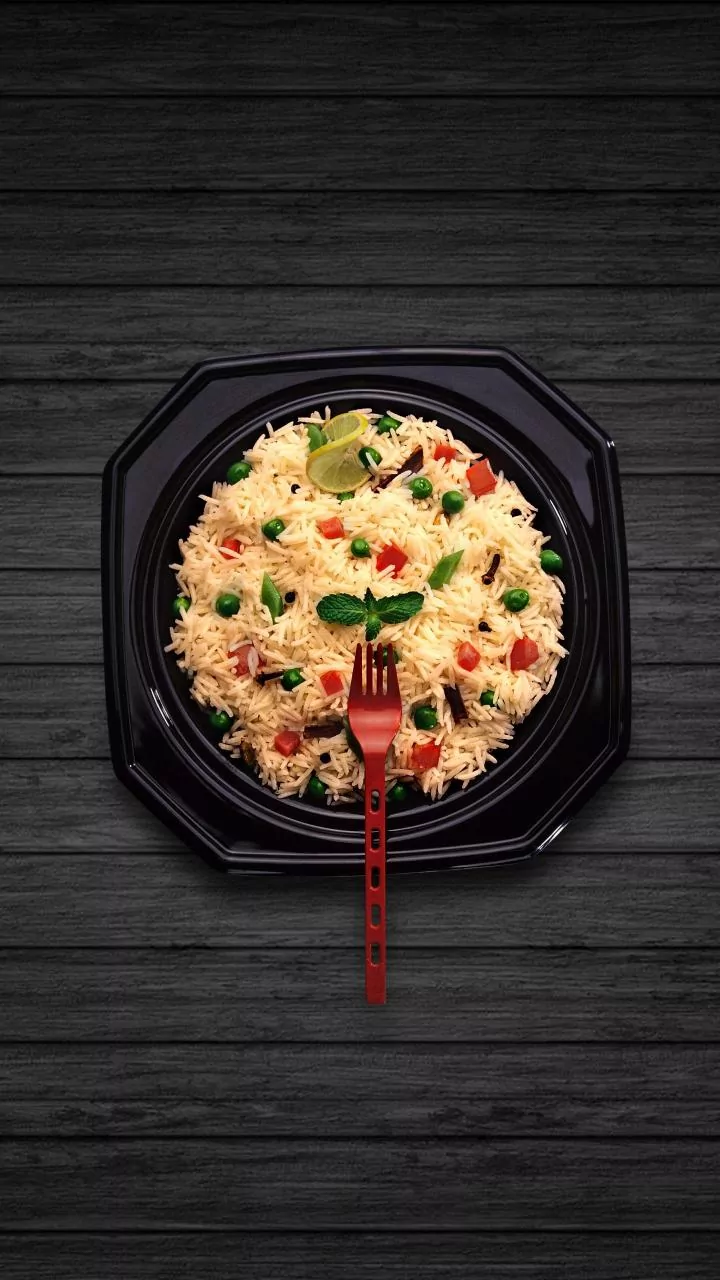
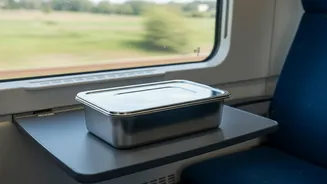
The journey from policy to passenger tray, however, is not always smooth. The push towards sustainability began in earnest around 2018, with trials of biodegradable containers made from bagasse (sugarcane byproduct) on premium trains like Rajdhanis and Shatabdis. While this initiative was a significant step, the on-ground reality across the vast network remains mixed. Passengers frequently report a variety of packaging materials, from the classic aluminum foil containers that offer good heat retention but can be flimsy, to various grades of plastic and paper boxes. Common complaints often revolve around soiled or untidy packaging, leakage of gravies, and meals that are cold upon arrival, indicating that the packaging isn't always up to the task of preserving temperature and integrity over time.
Enforcement and Accountability in Action
Indian Railways insists it maintains a zero-tolerance policy towards hygiene violations. Recent data indicates that this is more than just a slogan. Over the last three years, the railways imposed hefty fines amounting to ₹5.13 crore on errant caterers, issued 54 show-cause notices, and terminated six contracts outright for violations. To enforce standards, a multi-layered inspection mechanism is in place, involving regular and surprise checks by Railway and IRCTC officials, including Food Safety Officers. Furthermore, major base kitchens are now under CCTV surveillance to monitor food preparation in real-time. Despite these measures, the sheer scale of the operation—serving approximately 58 crore meals annually—means that lapses can and do occur, as evidenced by recent shutdowns of outlets for hygiene violations.
The Green Dilemma and the Way Forward
The biggest challenge for railway food packaging is balancing hygiene, cost, and environmental impact. While single-use, sealed packaging is excellent for preventing contamination, it generates immense waste. The railway's own data has highlighted the staggering amount of plastic waste generated along tracks and at stations. The promotion of biodegradable materials like bagasse is a positive step. However, ensuring a consistent supply chain of these materials across thousands of trains and vendors is a massive logistical challenge. The future will likely involve a mix of solutions: greater use of compostable materials, improved waste segregation and collection on trains, and potentially the expansion of e-catering services, which allow passengers to order from FSSAI-approved restaurants at designated stations.
What Can a Cautious Passenger Do?
As a passenger, you have a role to play in ensuring your own food safety. Start by using the QR code on the package to check its credentials. Inspect the packaging for any signs of tampering, leaks, or soiling. If the food seems off in smell or appearance, it's best to avoid it. For any issues with quality, packaging, or service, you can file a complaint immediately. The primary helpline is 139, but you can also use the RailMadad app or website. Providing details like your PNR number, coach, and, if possible, a photo of the meal can strengthen your complaint and help IRCTC take targeted action against the specific vendor.