




The Rise of Intelligent Tools
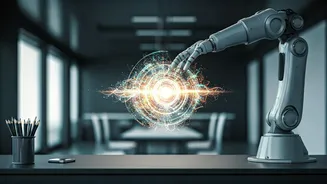
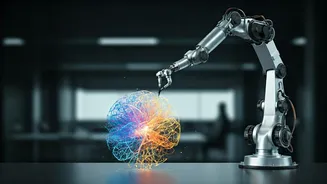
It’s impossible to ignore the seismic shifts happening in the workplace. AI is no longer a concept from science fiction; it's a practical tool that is reshaping industries. From automating routine administrative tasks to generating complex data analysis
and even creative content, AI's capabilities are expanding at a breathtaking pace. According to reports from institutions like the World Economic Forum and McKinsey, a significant percentage of core workforce skills are expected to change by 2030 due to automation. This transformation is understandably causing concern, as some roles are displaced and the demand for different skills intensifies. However, this is not the complete picture. The rise of AI isn't just about what machines can do; it's also highlighting what they, at least for now, cannot.
Where Human Creativity Still Wins
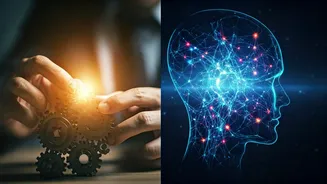
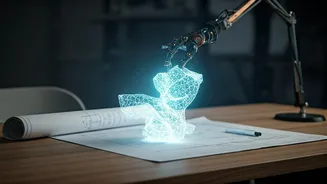
While AI excels at processing vast amounts of data and identifying patterns, it fundamentally operates on existing information. True creativity often involves breaking rules, making intuitive leaps, and connecting disparate ideas in entirely new ways. AI can remix, but it struggles with genuine originality born from lived experience, cultural understanding, and emotional depth. This is what experts call the “human premium.” It’s the ability to ask the right questions, not just find answers. It's the strategic judgement to know when to use AI, when to collaborate with it, and when to ignore it completely. Studies have shown that even in AI-assisted art creation, individuals with greater divergent-thinking skills produce more creative outcomes, demonstrating that the human mind remains the crucial director of the creative process. The value is shifting from simple execution, which AI can increasingly handle, to strategic thinking and discernment.
The Skills That Define Your Advantage
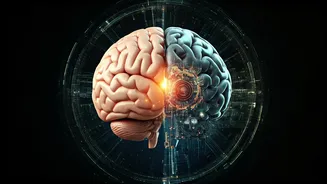
So, what are these future-proof skills? Reports consistently point to a cluster of higher cognitive, social, and emotional abilities. The World Economic Forum highlights analytical thinking, creative thinking, and resilience as top priorities. These are complemented by what are often called 'soft skills', which are proving to be the hardest to automate. Emotional intelligence—the ability to recognize and manage emotions in yourself and others—is vital for leadership, collaboration, and navigating complex workplace dynamics. Similarly, skills like leadership, social influence, and persuasion are in high demand because they require a nuanced understanding of human motivation that machines lack. Combining these human-centric skills with technological literacy creates a powerful and resilient professional profile. It’s not about competing with AI, but about collaborating with it, using your uniquely human judgment to guide its power.
How to Cultivate Your Creative Edge
The good news is that these skills can be actively developed. The key is to embrace a mindset of lifelong learning. Start by feeding your curiosity. Take on projects outside your comfort zone, dabble in different fields, and connect with people from diverse backgrounds. This cross-disciplinary approach helps you build the ability to see patterns and make connections others might miss. Practice creative problem-solving in your current role. When faced with a challenge, try to reframe the problem or brainstorm unconventional solutions with a team. Storytelling is another powerful skill to hone. Whether in a presentation or a report, the ability to weave a compelling narrative around data or ideas makes your work more memorable and influential. Finally, don't shy away from technology. Developing AI literacy—understanding how these tools work and how to prompt them effectively—turns a potential competitor into a powerful creative partner.