




Why Your Garden Needs a Water Audit
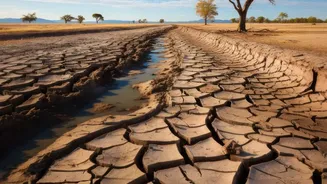
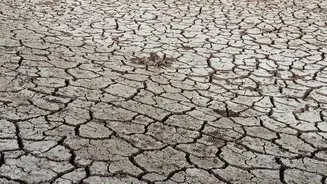
Across India, from bustling metros to quiet towns, the story is the same: water is becoming an increasingly precious resource. A NITI Aayog report has highlighted the risk of major cities running out of groundwater, a stark reality driven by erratic rainfall,
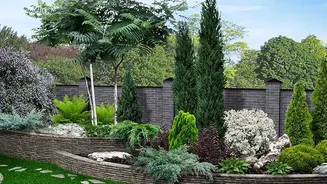
booming urban populations, and over-extraction. For the home gardener, this translates into a practical challenge. Traditional gardens, often filled with thirsty plants, can consume a significant amount of water, putting a strain on both municipal supplies and household budgets. The low-water gardening shift, also known as xeriscaping, offers a practical and beautiful solution. It's an approach that works with our climate, not against it, creating landscapes that are both visually stunning and environmentally responsible. By embracing this change, you not only conserve a vital resource but also create a garden that is more resilient and often requires less maintenance.
The Blueprint for a Water-Wise Garden
Creating a low-water garden starts with a smart plan, not just a random collection of plants. The first principle is thoughtful design. Observe your space to understand sun exposure and natural drainage. Group plants with similar water needs together to make irrigation more efficient. Secondly, improve your soil. Amending soil with organic matter like compost helps it retain moisture longer, meaning you water less often. Mulching is another critical step; a layer of organic mulch like straw or leaves can reduce water evaporation from the soil, keep roots cool, and suppress weeds that compete for water. Finally, rethink your lawn. Lawns are one of the most water-intensive parts of a garden. Consider reducing the size of your turfgrass areas and replacing them with beautiful, drought-tolerant groundcovers, paved pathways, or beds of native plants. When you do water, do it wisely. Drip irrigation systems or deep, infrequent watering encourages deep root growth, making plants stronger and more self-sufficient.
Meet Your Drought-Tolerant Heroes
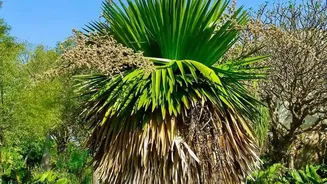
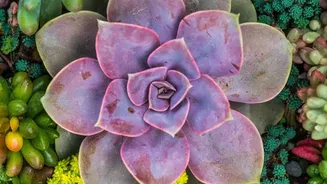
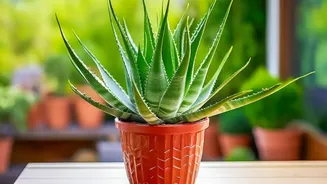
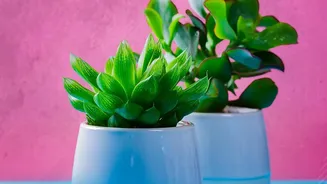
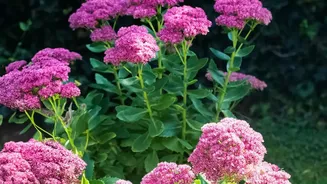
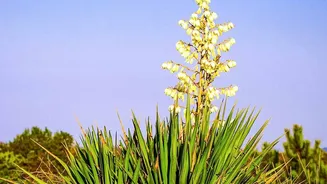
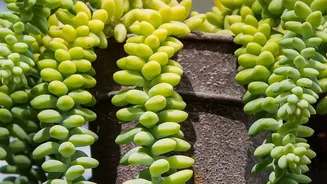
The heart of a low-water garden is its plants. Choosing species that are naturally adapted to arid conditions is key. Fortunately, there's a huge variety of beautiful, hardy plants perfect for Indian climates. Bougainvillea is a classic choice, exploding with vibrant colour while demanding very little water. Succulents like Aloe Vera and Agave are not only architectural and stylish but also experts at storing water in their thick leaves. For pops of colour, consider flowers like Zinnia or Desert Marigold, which thrive in the heat. Don't overlook native grasses, which add texture and movement to the garden. Many native plants are naturally drought-resistant and provide the added benefit of supporting local biodiversity. Other excellent options include the resilient Snake Plant, which also doubles as an air purifier, and flowering shrubs that can withstand periods of neglect. These plants prove that a water-wise garden can be just as lush and colourful as any other.
Smarter Maintenance for a Thriving Garden
Low-water does not mean no-maintenance, but it does mean smarter, less frequent work. The biggest mistake gardeners make is overwatering. Drought-tolerant plants are killed by kindness more often than neglect. Always check the soil before watering; if the top inch or two is dry, it's time to water. When you do, water deeply to encourage roots to grow down into the soil where they are better protected from heat and surface dryness. Avoid light, frequent sprinkling, which encourages shallow roots. Pruning is still necessary but often less frequent, as many of these plants are slower growers. Weeding is also important, as weeds compete with your plants for water and nutrients. A thick layer of mulch will significantly cut down on the time you spend weeding. By adopting these simple maintenance habits, you ensure your garden not only survives but thrives, all while using a fraction of the water.