




The Allure of a Monsoon Journey
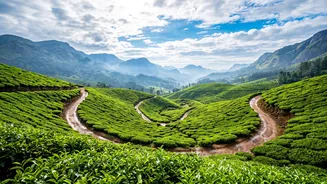
There's an undeniable romance to travelling during the rains. The scorching summer heat gives way to cool, refreshing downpours. Popular spots are less crowded, and hotels often offer attractive off-season rates. Destinations like Coorg, Munnar, Lonavala,
and Udaipur transform, offering lush, cinematic landscapes that are a world away from their dry-season appearance. The journey itself, with clouds drifting across highways and waterfalls cascading down hillsides, often becomes the main attraction for many road-trippers.
Reality Check: Assessing Road Risks
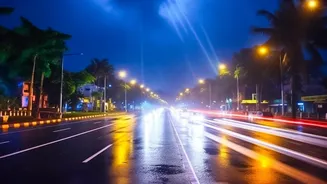
The biggest challenge of monsoon travel is the state of the roads. In mountainous regions, the primary danger is landslides and rockfalls. Heavy rains saturate the soil on steep slopes, leading to blockages that can shut down highways for hours or even days. As of late August 2026, heavy rainfall in Himachal Pradesh has left dozens of roads blocked, particularly in the Mandi and Kullu districts, highlighting the very real risks. In the plains and coastal areas, the threats are different but equally disruptive. Waterlogging can bring city traffic to a standstill, while potholes, often hidden by murky water, pose a significant danger to vehicles. Reduced visibility during heavy showers further increases the risk of accidents.
Hill Stations: A Calculated Gamble
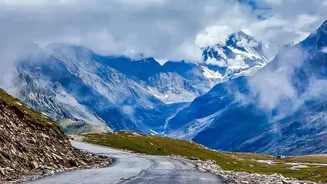
Hill stations are often the first choice for a monsoon escape, but they carry the highest risk. Regions in Himachal Pradesh, Uttarakhand, and parts of the Western Ghats are particularly prone to landslides. While places like Manali, Shimla, Mussoorie, and Nainital are beautiful, they frequently experience road closures. Safer alternatives in the hills often include destinations with better-maintained access roads, such as Mahabaleshwar or Lonavala in Maharashtra. However, even these popular getaways can suffer from extreme traffic and overflowing dams during peak weekends. The Spiti Valley offers a unique exception; as a rain-shadow region, it remains largely dry and accessible, providing a safe but starkly different landscape.
Plains and Coasts: A Different Kind of Caution
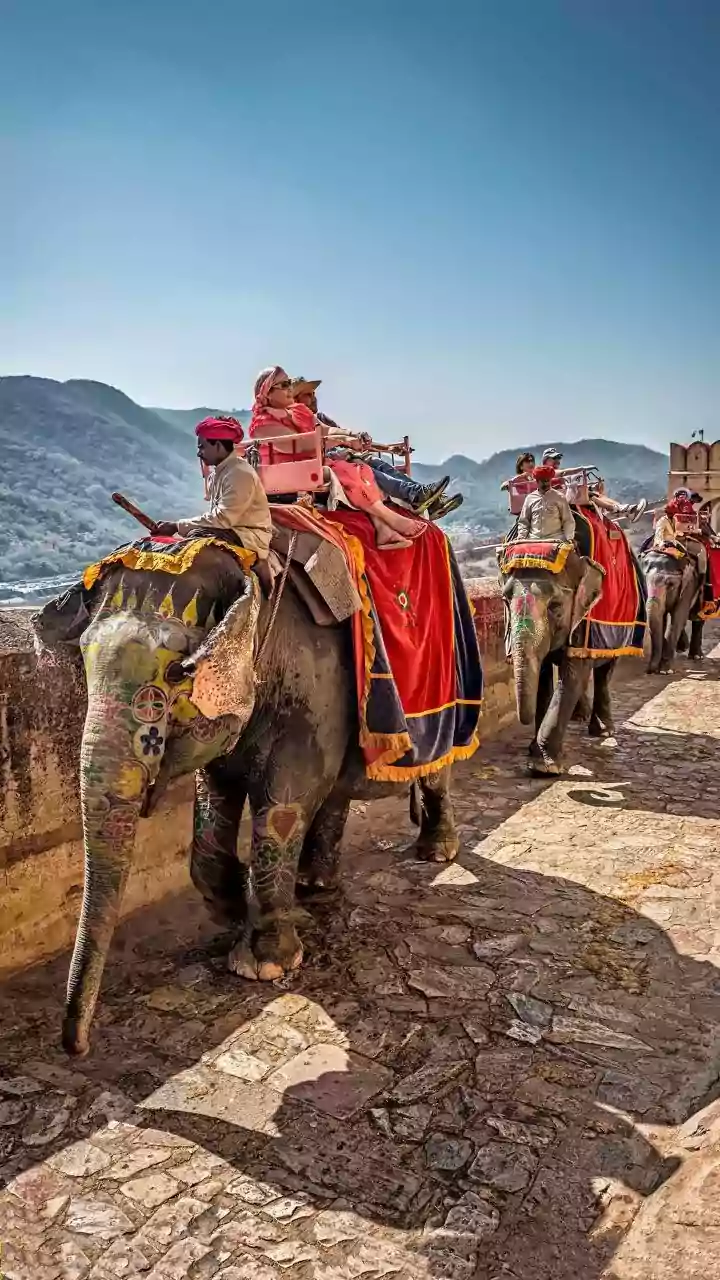
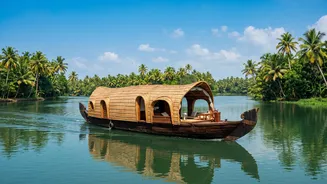
If you prefer to avoid the mountains, the coasts and plains offer stunning monsoon experiences with different safety considerations. Goa and Kerala's backwaters become intensely green and atmospheric. However, travellers should be mindful of strong sea currents and check local advisories before venturing near the water. In cities like Mumbai or Delhi and their surrounding areas, the main issue is severe waterlogging on key arterial roads, which can turn a short drive into a lengthy ordeal. Destinations in Rajasthan, such as Udaipur and Mount Abu, receive lighter rainfall, making them a relatively safe and pleasant choice, offering royal charm amidst cloudy skies.
A Smart Traveller's Checklist
Safe monsoon travel hinges on preparation. Before you even book your trip, adopt a flexible mindset. Your first-choice destination might not be the safest or most accessible. Always check multiple sources for real-time information. Monitor the latest forecasts from the India Meteorological Department (IMD) and check local news reports or official police social media handles for road closures and advisories, especially 24-48 hours before you leave. When driving, ensure your vehicle is monsoon-ready: check your tyres for good tread, ensure wipers and headlights are working perfectly, and pack an emergency kit. It is always wiser to travel during daylight hours and stick to major national highways, avoiding unknown shortcuts suggested by GPS, which can lead to poorly maintained or flooded rural roads.