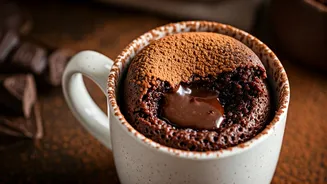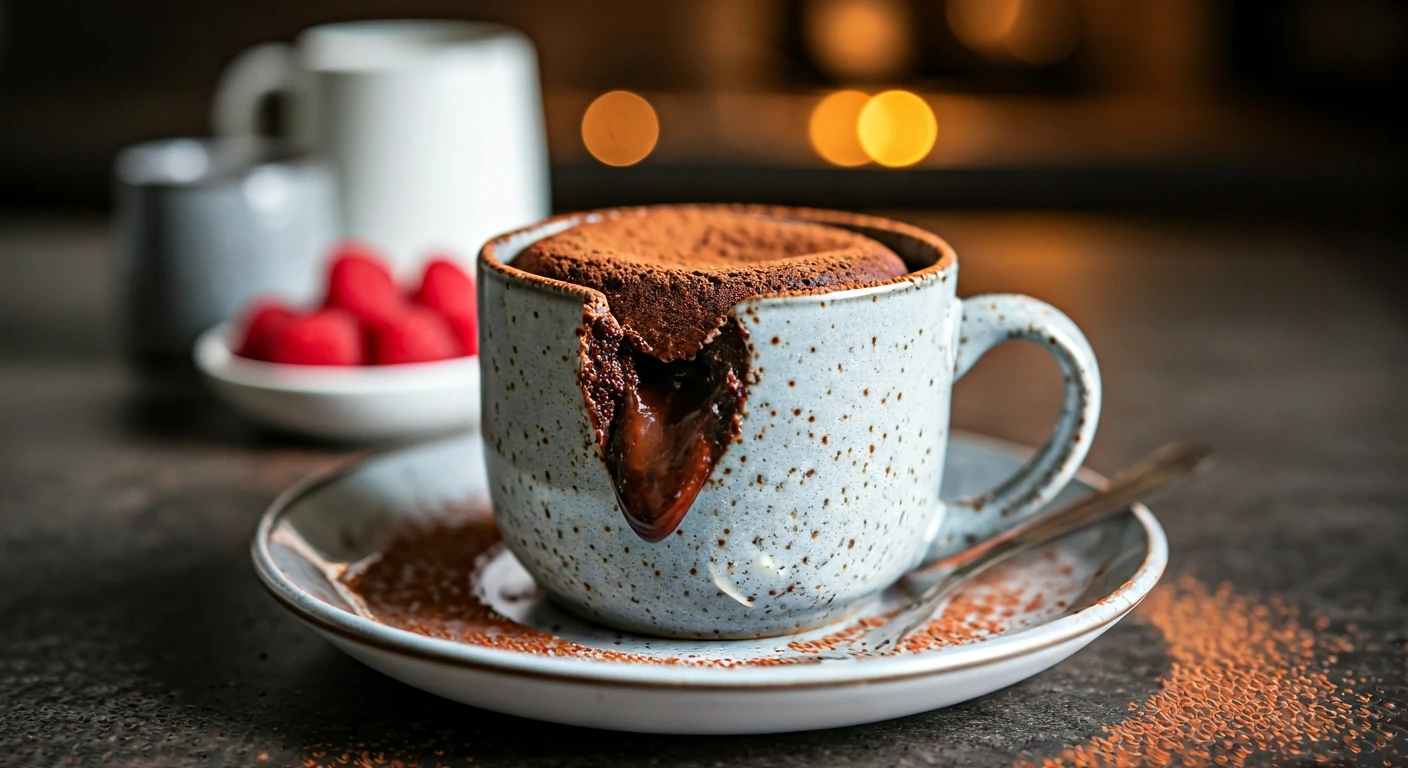






The Magic of Instant Gratification
The primary reason home chefs master the mug cake is its incredible speed. While a traditional cake requires preheating, extensive mixing, and a long bake time, a mug cake goes from pantry staples to a warm, gooey dessert in about five minutes. The process
is simple: mix a few ingredients directly in a mug and microwave for 60 to 90 seconds. This near-instant gratification is perfect for a spontaneous treat after dinner, a quick comfort food fix, or even a solo celebration without the commitment of baking an entire cake. It’s a low-effort, high-reward dessert that fits perfectly into busy modern lives.
Simplicity and Minimal Cleanup
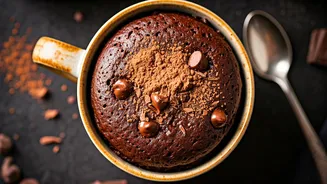
Beyond speed, the beauty of the mug cake lies in its simplicity. Most recipes call for basic ingredients that are likely already in your kitchen: flour, sugar, cocoa powder, a leavening agent like baking powder, milk, and oil or butter. The double chocolate variety simply amps up the flavour with both cocoa powder and chocolate chips for a richer taste. The entire process, from mixing to cooking, happens in a single vessel—the mug itself. This means no pile of mixing bowls, whisks, and spatulas to clean up afterward, a major selling point for any home cook.
The Science of a Perfect Microwave Cake
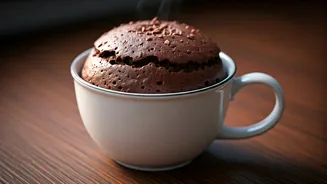
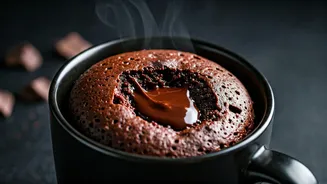
Mastering the mug cake also means understanding a little bit of microwave science. Unlike conventional ovens that cook with radiant heat from the outside in, microwaves work by exciting water molecules within the batter, cooking it quickly from the inside out. This rapid, steam-based cooking is what creates the signature soft, pudding-like texture of a great mug cake. The key to avoiding a rubbery texture—the most common mug cake pitfall—is to not overcook it. Most microwaves will cook a mug cake in about a minute, and it's better to err on the side of undercooking; the cake will continue to cook from residual heat after it's removed. A top that looks slightly glossy or soft is the sign of a perfectly moist cake.
Mastering the Technique
Several small adjustments can elevate a good mug cake to a great one. First, choose the right mug. A standard 12- to 16-ounce microwave-safe mug is ideal, as it gives the batter room to rise without overflowing. Only fill it about halfway to two-thirds full. Second, don't overmix the batter. Stir just until the ingredients are combined to avoid developing too much gluten, which can make the cake tough. For an extra-moist result, some experts suggest adding a tablespoon of water or milk on top of the batter just before cooking. Using room temperature ingredients can also help everything combine more smoothly for a better texture.
Portion Control and Endless Customisation
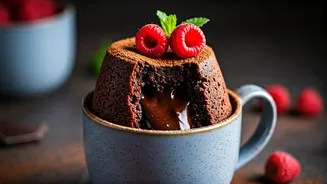
For many, the single-serving nature of a mug cake is a significant advantage. It satisfies a craving without the temptation of a full-size cake sitting on the counter. This built-in portion control makes it a guilt-free indulgence. Furthermore, the basic double chocolate recipe is a perfect canvas for creativity. Home chefs can easily customise it by adding a spoonful of peanut butter, a dash of espresso powder to enhance the chocolate flavour, or a sprinkle of cinnamon. Toppings offer another layer of personalisation, from a simple scoop of ice cream or whipped cream to fresh berries or a caramel drizzle. This versatility ensures that the humble mug cake never gets boring.