



Long before superfoods became a global trend, the forests and fields of Central India were providing indigenous communities with a pharmacy on a plate. This ancient culinary wisdom preserves dozens of wild leafy greens, or 'bhajis'.
A Forest on the Plate
In the heart of India,
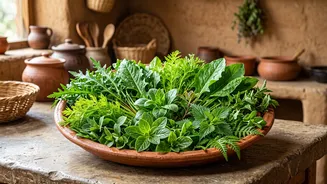
across states like Chhattisgarh and Madhya Pradesh, a rich culinary tradition thrives, one that looks beyond cultivated crops to the wild bounty of the land. For generations, tribal communities like the Gonds, Baigas, and Bhils have relied on foraging for a significant part of their diet. Their expertise lies in identifying and sustainably harvesting dozens of varieties of wild leafy vegetables, locally known as 'saag' or 'bhaji'. These are not weeds, but nutrient-dense plants that form a critical part of the local food system, especially during the monsoon season when they flourish. This practice is deeply woven into the cultural fabric, with knowledge of edible plants passed down through generations. Far from being a relic of the past, this living heritage offers powerful lessons in biodiversity and nutrition.
The Stars of the Wild Harvest
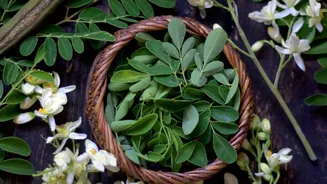
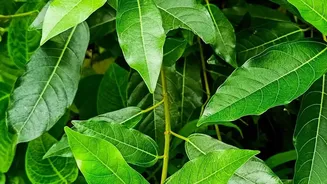
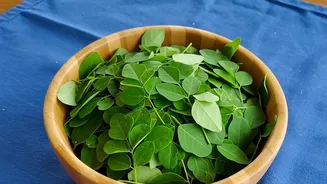
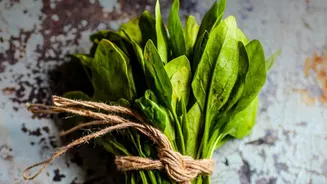
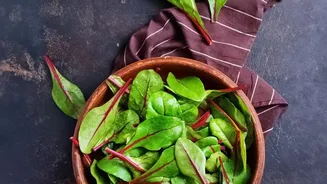
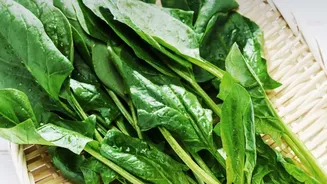
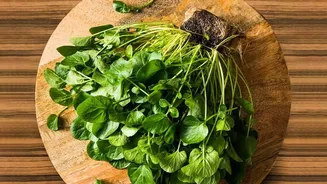
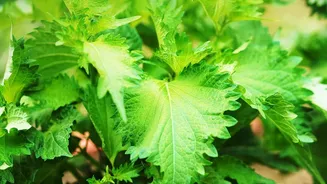
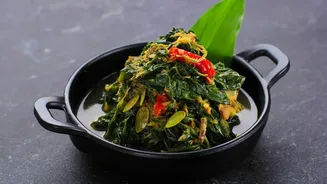
The diversity of these greens is staggering. One of the most famous in Chhattisgarh is 'chench bhaji' (Corchorus olitorius), a dark leafy green celebrated for being rich in iron, protein, vitamins, and minerals. It has a unique, slightly sticky texture when cooked and is often prepared simply with garlic and chillies, or with lentils. Other foraged treasures include 'kosala saga' (a type of amaranth), 'sunsumia' (water clover), and the tender leaves of the moringa (drumstick) tree, each bringing a unique flavour and nutritional profile to the table. Communities possess intricate knowledge of which leaves to pick, at what time, and how to prepare them to maximize both taste and health benefits, often turning what others might see as simple foliage into delicious and fortifying meals.
The Genius of Preservation
The true ingenuity of this culinary heritage lies in preservation. Since these greens are often hyper-seasonal, particularly abundant during the rains, communities have developed methods to ensure a year-round supply. The most common and effective technique is sun-drying. Leaves are harvested, cleaned, and spread out on mats to dry under the hot central Indian sun. This process, known as 'sukhawat' in some regions, removes moisture, concentrating the nutrients and allowing the greens to be stored for months. These dried greens, like 'suksi' (dried fish) or dried vegetables, become a vital source of nutrition during leaner seasons when fresh produce is scarce. Fermentation is another method used, which not only preserves the greens but also enhances their nutritional value and digestibility.
Nature's Pharmacy for Daily Health
This reliance on wild greens is not just about sustenance; it is a cornerstone of traditional healthcare. Many of these plants are recognised in local knowledge systems for their medicinal properties. For instance, chench bhaji is believed to boost immunity and reduce inflammation. Other greens like Indian Pennywort (Brahmi) are revered for supporting neurological function. Modern nutritional science corroborates this ancient wisdom, finding that these wild vegetables are often packed with antioxidants, vitamins A, C, and K, and essential minerals like iron, calcium, and potassium. For communities that may have limited access to modern healthcare, this diet provides a powerful, preventative form of medicine, helping to combat nutritional deficiencies like anaemia.
A Legacy for the Future
Despite its immense value, this traditional knowledge system faces threats from deforestation, changing agricultural practices, and a cultural shift among younger generations. However, there is growing recognition of the importance of these indigenous food systems. They represent a model of climate-resilient and sustainable living, showcasing how to eat locally and seasonally. As the world searches for more diverse and nutritious food sources, the wild leafy vegetables of Central India hold a treasure trove of answers. Preserving this culinary heritage is not just about safeguarding tradition; it's about protecting a vital source of nutrition, biodiversity, and ecological wisdom that remains profoundly relevant today.