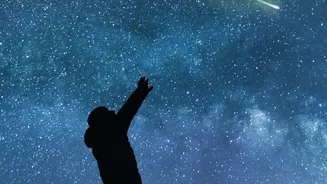






What Are the Orionids?
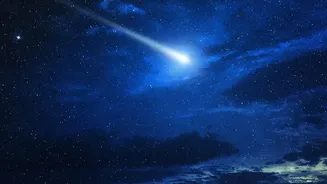
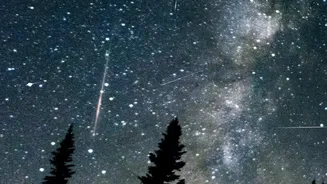
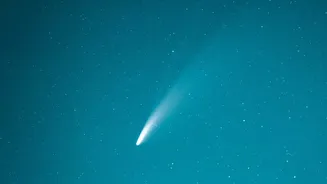
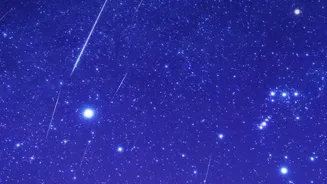
The Orionid meteor shower is an annual celestial event, and one of the most beautiful of the year. Each meteor, or shooting star, is a tiny piece of cosmic debris left behind by one of the most famous objects in our solar system: Halley's Comet. As Earth
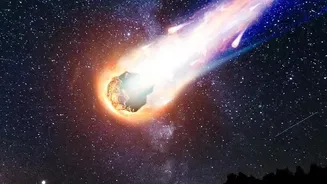
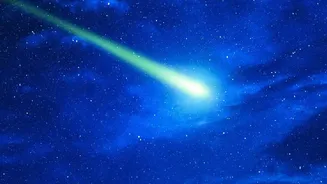
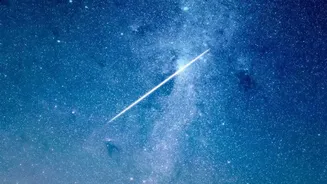
passes through this trail of dust and ice each October, the particles burn up in our atmosphere at incredible speeds—about 66 kilometres per second. This high velocity means Orionid meteors are known for being particularly bright and fast. They can often leave behind glowing trails, called trains, that linger for several seconds, and some can even become brilliant fireballs that light up the sky. They are named 'Orionids' because they appear to radiate from a point near the constellation of Orion the Hunter.
The Real Date and Time to Watch
While the headline suggests looking up tonight, the Orionid meteor shower is not yet active. The shower runs from early October to early November. For 2026, the absolute best time to watch will be during its peak on the night of October 21 and into the predawn hours of October 22. This year, viewing comes with a challenge: a bright waxing gibbous moon will be in the sky during the early part of the night, washing out fainter meteors. However, there is a perfect window of opportunity. The moon is expected to set around 3 a.m. on those peak mornings, leaving the sky dark until dawn. Your best strategy is to set an alarm and plan your viewing for the hours between moonset and sunrise.
Tackling the 'Metro Skies' Challenge
The promise of seeing a meteor shower easily from a city is, unfortunately, an optimistic one. Urban light pollution creates a 'skyglow' that dramatically reduces visibility, hiding all but the very brightest meteors. Under perfect, dark rural skies, you might see 15 to 20 meteors per hour during the Orionids' peak. In a city, that number could drop to just a few per hour, or even zero. But don't lose hope. To maximize your chances, you need to mitigate the light. Find the darkest spot you can access, like a large park, a sports field, or even a rooftop with an open view of the sky. The key is to get away from the direct glare of streetlights and building lights. Use trees or buildings to block these light sources from your direct line of sight.
A Guide to Naked-Eye Viewing
The best tool for watching a meteor shower is the one you were born with: your eyes. No telescopes or binoculars are needed; they actually narrow your field of view too much. The most crucial technique is patience. Once you've found your spot, lie back on a blanket or a reclining chair and simply look up. Allow your eyes at least 20 to 30 minutes to fully adapt to the darkness. During this time, you must avoid all bright lights, especially your phone screen, as a single glance can ruin your night vision. While the meteors radiate from Orion, you shouldn't stare directly at the constellation. Look at a wide patch of sky about 45 degrees away from the radiant point; this perspective allows you to see the meteors with the longest and most spectacular streaks.
Set Your Expectations and Enjoy
Skywatching in the city is an exercise in patience and perspective. Don't go out expecting a constant barrage of shooting stars like you see in movies. The reality of urban meteor hunting is that seeing even two or three bright, streaking meteors can be a major victory and a truly memorable experience. Think of it less as a spectacular storm and more as a quiet, cosmic treasure hunt. Each meteor you spot is a direct connection to a legendary comet and a journey across the solar system that ends in a flash of light just for you. Bring a warm drink, dress in layers, and enjoy the simple, profound act of looking up at the universe from your own neighbourhood.