




A National Shortfall
According to the latest data from the Central Water Commission, storage in 178 of India's major reservoirs stood at just 70% of their total capacity as of late September 2026. This figure is notably below the ten-year average of 76.62% for this time of year.
The primary cause is a deficient southwest monsoon, which brings over 70% of India's annual rainfall and is crucial for replenishing the water sources that supply our homes, farms, and industries. This year, the country received about 12% less rainfall than normal, a deficit linked to the El Niño phenomenon.
The Strain on Southern and Northern India
The situation is particularly acute in certain regions. Southern India is facing the biggest crunch, with reservoirs in states like Karnataka, Kerala, Tamil Nadu, Andhra Pradesh, and Telangana at only 50% of their capacity—a dramatic drop from 87% at the same time last year. This is a direct result of the region receiving 23% less rainfall than normal. Northern states, including Punjab, Rajasthan, and Himachal Pradesh, have also seen a significant decline, with reservoir levels plummeting to 62% from 92.3% in 2025. These shortfalls have already prompted drought declarations in parts of Maharashtra and Karnataka.
Water Cuts and Tanker Reliance in Cities
For urban households, the most immediate impact will likely be on piped water supply. With dam levels low, municipal corporations in major cities will be forced to implement water rationing to conserve supplies through the dry months. This could mean scheduled water cuts, reduced pressure, or supply available for only a few hours a day. In Maharashtra, the government is already considering a 10% cut in urban water supply. As taps run dry, households, particularly in unauthorized colonies or at the tail-end of supply networks, will become increasingly dependent on expensive private water tankers, adding a significant financial burden.
Impact on Rural Livelihoods and Agriculture
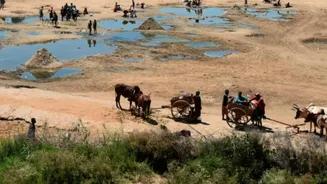
In rural India, the consequences are even more direct and severe. Low reservoir levels mean less water available for irrigation for the upcoming Rabi (winter) crop season. Authorities will prioritize drinking water, forcing them to halt releases for agriculture. This puts farmers at risk of crop failure, debt, and reduced income. The situation is already dire in regions like Marathwada, where hundreds of villages are now reliant on government tankers for drinking water because local wells and other sources have dried up. This water stress also affects livestock, a key source of income for many rural families.
The Hidden Costs for Your Wallet
The impact of a water shortage extends beyond just availability. Lower agricultural output, particularly of vegetables and other water-intensive crops, can lead to food price inflation, affecting every household's budget. Furthermore, with hydropower generation potentially impacted by low reservoir levels, electricity boards may need to rely on more expensive sources of power, which could translate to higher electricity bills. The increased need for bottled water or private tankers for drinking purposes will also strain family finances.
What To Expect Next
State governments are already gearing up for a difficult summer. Action plans are being drafted to manage drinking water supplies, with a focus on identifying vulnerable villages and strengthening local water sources. However, these are largely short-term measures. The recurring cycle of poor monsoons and water scarcity highlights a deeper challenge. Long-term solutions, such as improving irrigation efficiency, promoting water-wise crops, harvesting rainwater, and protecting our natural water bodies, are critical. For households, the coming months will require careful water use and preparation for potential disruptions.