




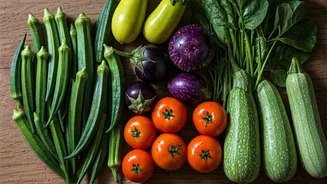


1. Bottle Gourd (Lauki)
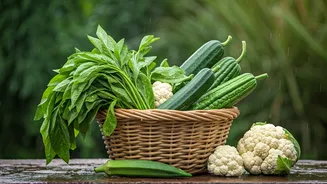
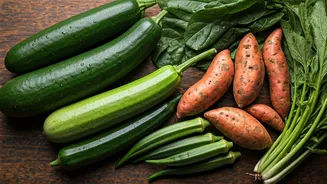
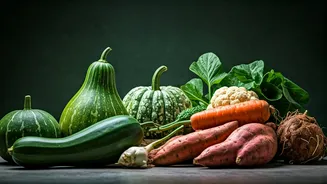
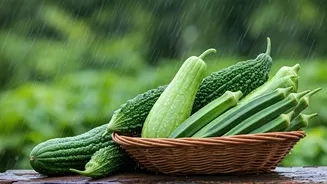
Humble, versatile, and incredibly light on the stomach, lauki is a monsoon superstar. Composed of over 90% water, it keeps you hydrated and is extremely easy to digest, which is crucial when the digestive system tends to be weaker during the rainy season.
Rich in fibre, it helps prevent constipation and promotes gut health. Furthermore, its low-calorie nature makes it an excellent choice for weight management. It contains essential minerals like sodium, potassium, and iron, helping replenish what's lost through sweat in the humid weather. A simple lauki curry or soup can be a comforting and healing meal on a rainy day.
2. Bitter Gourd (Karela)
Don't let the bitterness fool you; karela is one of the most powerful vegetables for monsoon immunity. Its potent antimicrobial and antioxidant properties help the body fight off infections that are common during this season. It's packed with Vitamin C, which is essential for a robust immune response. Traditionally used in Ayurveda to manage blood sugar levels, bitter gourd also works as a fantastic blood purifier. To make it more palatable, you can scrape its skin, marinate it in salt, and then cook it as a stir-fry (bhujia) or stuff it with spices.
3. Pointed Gourd (Parwal)
Parwal is another monsoon-friendly gourd that deserves a spot on your plate. It's loaded with vitamins A and C, antioxidants, and fibre. These nutrients are vital for keeping common monsoon ailments like the cold, flu, and cough at bay. Because it is light and easy on the digestive system, it helps manage issues like gas and bloating. Its seeds are also known to help control cholesterol levels. Whether you make a simple 'Parwal ki Sabzi' or add it to a mixed vegetable curry, this gourd is a nutritional powerhouse that supports overall wellness during the damp weather.
4. Turmeric and Ginger
While technically rhizomes, fresh turmeric (kacchi haldi) and ginger (adrak) are indispensable during the monsoon. Ginger is a celebrated digestive aid, known to soothe the stomach, reduce nausea, and combat indigestion. Its anti-inflammatory properties can also help with sore throats. Turmeric, with its active compound curcumin, is a world-renowned anti-inflammatory and antiseptic agent. It boosts the body's natural defence mechanisms. Adding grated fresh ginger and turmeric to your dal, sabzi, or brewing them into a soothing tea is one of the easiest ways to fortify your health against seasonal infections.
5. A Note on Leafy Greens
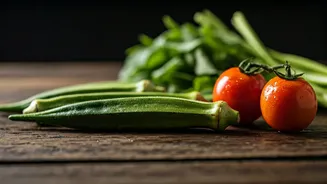
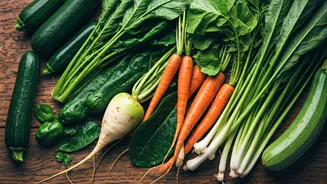
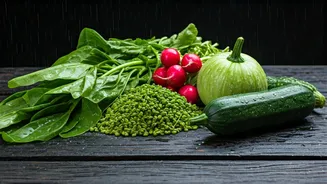
Leafy greens like spinach and fenugreek are nutritional goldmines, but they require extra care during the monsoon. The high moisture in the air and soil makes them prone to dirt, grime, and microbial growth. It's often advised to limit their consumption. However, if you choose to eat them, ensure they are sourced from a clean place. Wash them meticulously in running water, followed by a soak in salt water or a vinegar-water solution. Most importantly, cook them thoroughly. Never consume raw or partially cooked leafy greens during this season to avoid water-borne illnesses.
General Monsoon Prep Tips
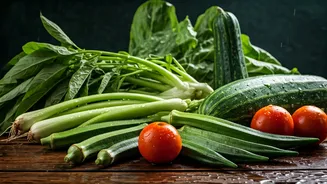
Beyond choosing the right vegetables, how you prepare them matters. Always wash all produce thoroughly, even those with peels you discard. The dampness of the monsoon can encourage fungal and bacterial growth on the surface of vegetables. Opt for cooked meals over raw salads, as the cooking process kills harmful pathogens. Steaming, boiling, and making soups or light curries are excellent methods. These cooking techniques make food easier to digest and retain most of the nutrients, giving your body the support it needs to navigate the season with vitality.