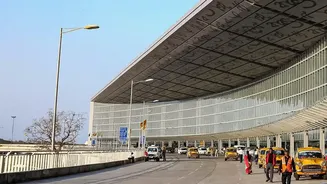







Meet the 'Tier-2 Traveler'
Forget the stereotype of the globetrotter hopping from one five-star hotel to another. The 'Tier-2 Traveler' is a new breed of explorer who is redefining what it means to see the world. This isn't necessarily about where they live, though many do hail
from cities without massive international airports. It's about a mindset. They are value-driven, prioritizing experiences over expensive frills. They're digitally savvy, hunting for deals and willing to book with a low-cost carrier if it means saving hundreds of dollars that can be better spent on an extra week of travel, a cooking class, or a diving excursion. They represent a demographic that has long viewed Southeast Asia as a 'someday' trip, often put off by prohibitively high airfares and punishingly long travel times. For them, the journey is a means to an end, and the end is authentic, affordable adventure.
The Budget Airline Game-Changer
For years, flying to Southeast Asia from the U.S. meant one of two things: a very expensive ticket on a legacy carrier or a marathon journey with two or more layovers stretching over 30 hours. The rise of long-haul, low-cost airlines is starting to change that equation. While true non-stop budget flights from the U.S. to the heart of Southeast Asia remain the holy grail, a new middle ground has emerged. Airlines like Japan's ZIPAIR, a subsidiary of Japan Airlines, now offer one-stop routes from U.S. cities like Los Angeles, San Francisco, and San Jose to hubs like Tokyo, with seamless connections to Bangkok, Manila, and Singapore. Similarly, while much of its expansion focuses on Europe-to-Asia routes, the growth of carriers like Norse Atlantic signals a broader industry shift toward affordable long-haul travel, proving the model can work and putting competitive pressure on the market. These flights slash both cost and complexity, turning a once-daunting journey into a manageable one-stop trip.
The Perfect Match: Price, Time, and Destination
The magic of this new trend lies in the powerful combination of cost, convenience, and destination appeal. When a round-trip flight that once cost $1,500 can now be found for under $800, the financial barrier to entry crumbles. But it’s not just about the sticker price. By streamlining the journey to a single stop in a modern, efficient airport, these budget carriers are also saving travelers their most valuable asset: time. A 35-hour odyssey can become a more palatable 20-hour trip. This efficiency is crucial. It means less time spent in airport lounges and more time exploring the destination. Southeast Asia is uniquely positioned to capitalize on this. Once on the ground, the U.S. dollar goes remarkably far, allowing budget-conscious travelers to enjoy world-class food, comfortable accommodations, and unforgettable activities without breaking the bank. It's the ultimate payoff for a traveler who is all about maximizing value.
From Screen Savers to Reality
So, where are these travelers headed? The classic Southeast Asian loop remains as popular as ever. Thailand, with its bustling capital of Bangkok and its world-famous beaches in places like Phuket, is a top draw. Vietnam offers an incredible mix of history, culture, and natural beauty, from the energy of Ho Chi Minh City to the stunning landscapes of Ha Long Bay. The Philippines, an archipelago of more than 7,000 islands, beckons with some of the world's best diving and most pristine white-sand beaches. Destinations like Manila and Singapore are now common endpoints for these new budget routes, acting as gateways to the wider region. For the Tier-2 traveler, these aren't just places on a map anymore; they are tangible, accessible realities, transformed from a distant dream into a booked flight.