

Plan Your Prasad with Purpose
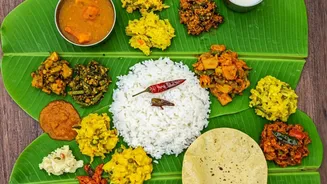
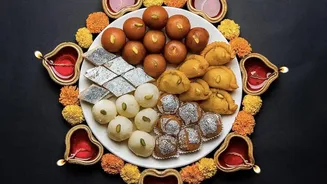
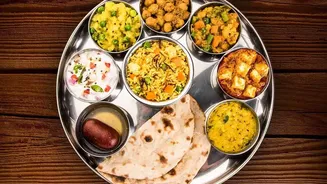
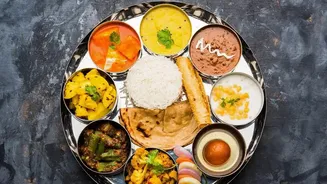
A stress-free Janmashtami kitchen begins not with cooking, but with planning. The tradition of 'Chhappan Bhog' or 56 dishes is a beautiful concept, but for home celebrations, a smaller, thoughtfully chosen menu is just as meaningful. Aim for a balanced
thali with a few key items: a primary sweet, a savoury snack, a milk-based dish, and fresh fruits. Many devotees fast, so ensure your menu includes 'vrat' or 'phalahar' compliant dishes. This means avoiding regular grains, onions, and garlic, and using ingredients like sabudana (tapioca pearls), makhana (foxnuts), fruits, and rock salt (sendha namak). By deciding your menu a few days in advance, you can shop for ingredients and mentally walk through your preparation, avoiding last-minute panic.
The Magic of Make-Ahead Prep
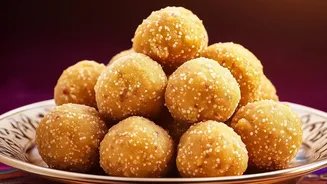
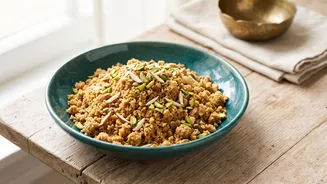
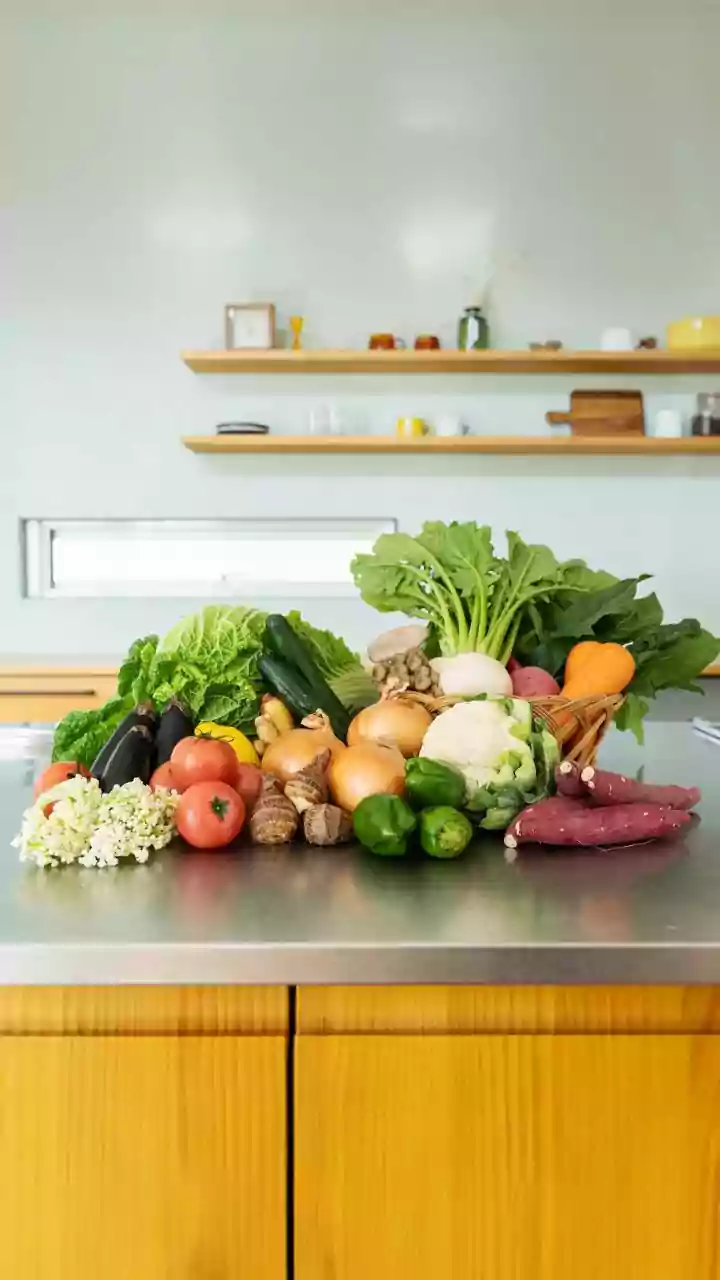
You don't have to do everything on the day of the festival. Several components can be prepared a day or two before. Sweets like Panjiri or certain types of Laddoos can be made in advance and stored in airtight containers. You can also do the foundational work for other dishes: chop vegetables for sabzis, roast and grind peanuts for Sabudana Khichdi, or prepare the stuffing for Farali Pattice. Grating coconut, powdering sugar, and making spice mixes are other small tasks that, when done ahead of time, save immense time and energy on the main day, allowing you to focus on the prayers and the final stages of cooking.
Effortless Sweets for Bhog
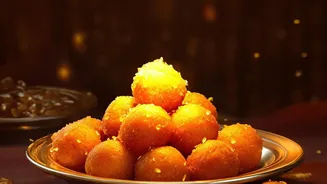
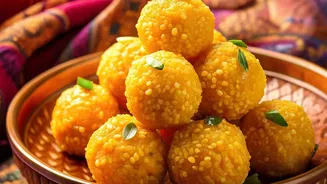
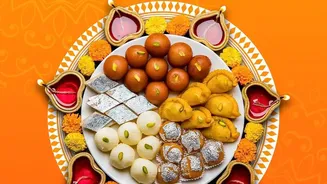
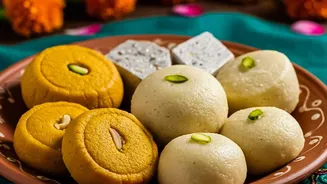
Lord Krishna's love for dairy is legendary, and many traditional sweets reflect this. Makhan Mishri, a simple mix of fresh white butter and rock candy, is perhaps the most significant and easiest offering, requiring no cooking at all. Makhana Kheer is another favourite that sounds elaborate but is surprisingly simple: just roasted foxnuts simmered in milk until tender and thick. For something a little different, try Sweet Poha (Aval), where flattened rice is mixed with jaggery, ghee, and coconut for a quick, no-cook treat. Coconut Laddoos made with condensed milk and desiccated coconut come together in under 15 minutes on the stovetop.
Simple and Satisfying Savouries
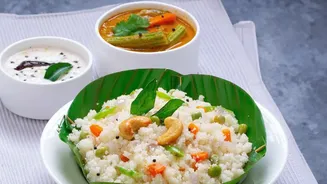
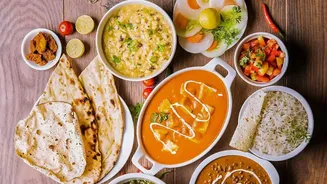
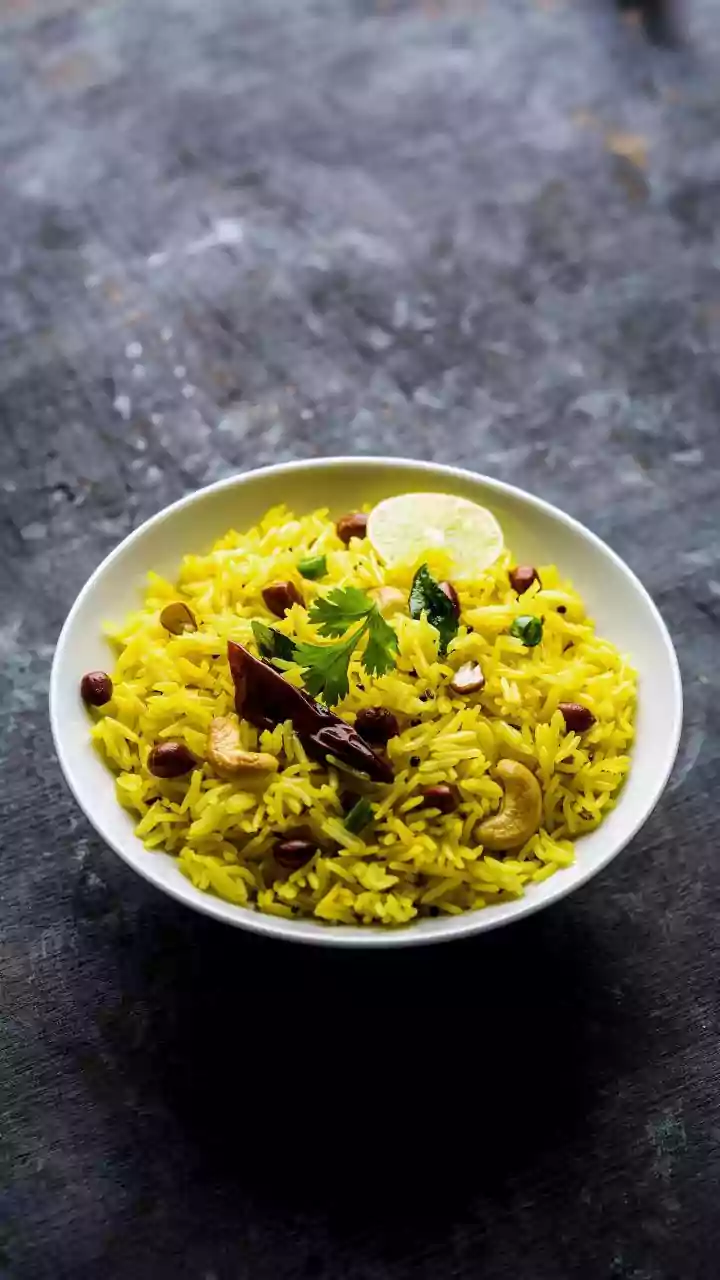
For those observing a fast, savoury dishes provide much-needed energy. Sabudana Khichdi is a classic vrat staple that is both filling and nutritious. The key is to soak the sabudana properly to ensure the pearls are soft and separate. Another excellent option is a simple Vrat Wale Aloo curry. This sattvic dish is made by cooking boiled potatoes in a light tomato-ginger gravy seasoned with rock salt and black pepper, pairing perfectly with Kuttu (buckwheat flour) Puris. You can also prepare Gopalkala, a savoury mixture of flattened rice (poha), cucumber, curd, and a simple tempering of ghee and cumin, which is a traditional and refreshing offering.
Embrace the Spirit of Togetherness
Festival cooking doesn't have to be a solo task. Turn it into a family activity. Younger members can help with simple tasks like washing fruits or shelling nuts, while others can assist with chopping or arranging the prasad. This not only lightens the load but also passes down traditions and creates lasting memories. The essence of Janmashtami lies in devotion and community, and preparing food together is a wonderful way to embody that spirit. By working together, the focus shifts from the chore of cooking to the joy of creation and offering.