
What Makes a Tea 'Speciality'?
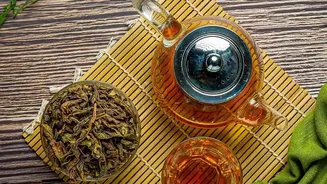
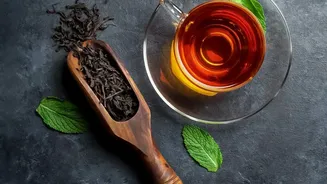
Before diving in, let's clarify what 'speciality tea' even means. Unlike mass-produced teabags designed for consistency, speciality tea is about quality and character. It refers to high-grade, loose-leaf teas, often from a single farm or estate, where
meticulous care is taken from cultivation to processing. Think of it like the difference between a generic red wine and a fine wine from a specific vineyard. Speciality teas are prized for their unique flavours, which are heavily influenced by where and how they are grown—a concept known as 'terroir'. These teas are typically whole-leaf, hand-picked, and produced in limited quantities to ensure the highest quality.
Start with the Source: Indian Origins
India is one of the world's largest and most diverse tea producers, with three main regions defining its landscape: Darjeeling, Assam, and Nilgiri. Darjeeling, often called the 'Champagne of Teas', comes from the Himalayan foothills. Its high altitude and cool climate yield a light, floral, and complex tea with a famous 'muscatel' note, a fruity, wine-like aroma. It's best enjoyed without milk to appreciate its delicate flavours. Assam, from the hot, humid lowlands along the Brahmaputra River, is the powerhouse. It produces bold, rich, and malty black teas that form the backbone of many breakfast blends. With its robust character, Assam is the perfect choice if you enjoy your tea strong and with milk. Nilgiri, from the 'Blue Mountains' of southern India, offers a beautiful balance. These high-altitude teas are fragrant, brisk, and smooth, with citrusy or floral notes. A unique quality of Nilgiri tea is that it doesn't turn cloudy when chilled, making it an excellent choice for iced tea.
A Glimpse at Global Flavours
While India offers a universe of flavour, exploring international origins can broaden your palate. Sri Lanka, formerly Ceylon, is famous for its bright, crisp black teas with hints of citrus and spice. China, the birthplace of tea, produces an incredible variety, from smoky black teas to nutty pan-fired green teas and floral oolongs. Japan is the master of green tea, known for its vibrant, umami-rich profiles in teas like sencha and matcha. Understanding these regional characteristics helps you anticipate the flavour in your cup.
Single Origin vs. Blended Teas
When you look at ingredients, the first distinction is between single-origin and blended teas. A single-origin or single-estate tea comes from one specific region or farm. Its flavour is a pure expression of that location's unique soil, climate, and processing methods. Blended teas, on the other hand, combine teas from different origins. This is done to achieve a consistent flavour profile year after year—like a classic English Breakfast—or to create a new, complex taste by combining complementary elements. Neither is inherently better; they simply offer different experiences. Single origins offer a taste of a specific place, while blends offer a crafted, consistent flavour.
Exploring Added Ingredients
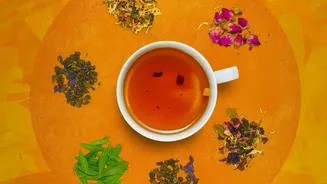
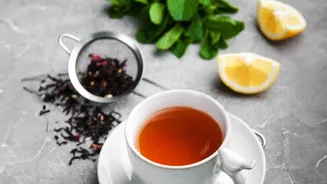
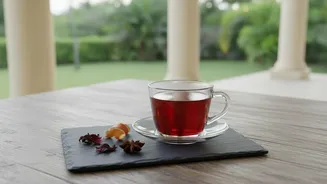
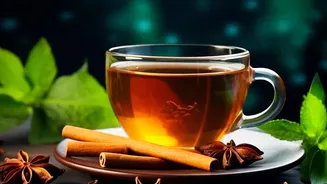
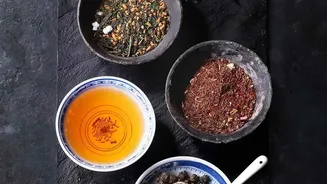
Beyond pure tea, a vast world of flavoured and scented teas awaits. These are blends that include non-tea ingredients to create a unique sensory experience. Common additions include: - Spices: Cinnamon, cardamom, cloves, and ginger are staples in chai blends, adding warmth and aromatic complexity. - Flowers: Rose petals, chamomile, jasmine, and lavender can add delicate floral aromas and visual beauty to a blend. - Fruits: Dried pieces and peels of citrus fruits like lemon and orange, or berries, add brightness and tartness. - Herbs: Mint is a classic addition, offering a cool, refreshing counterpoint to a base tea, while lemongrass provides a zesty, citrus flavour.
Your Tea Shopping Checklist
Feeling more prepared? When you're ready to buy, keep these points in mind. First, decide if you want the pure taste of a single-origin tea or the balanced profile of a blend. Next, consider your flavour preferences. Do you like bold and malty (Assam), delicate and floral (Darjeeling), or something in between? Are you looking for a pure tea experience or one enhanced with spices or fruits? Read the descriptions and the ingredient list carefully. Don't be afraid to start with smaller quantities or sampler packs to explore different types without committing to a large amount. The best way to learn is by tasting.