







Make the Carrier a Safe Haven
For many pets, the travel carrier only appears before a stressful event like a vet visit. This creates a powerful negative association. The first step in peaceful travel is to change this perception. Begin weeks or even months before your trip by placing
the carrier in a common area of your home with the door open. Make it an inviting space by putting soft bedding, a favourite toy, or even a piece of your worn clothing inside. The goal is for your pet to see the carrier not as a cage, but as a familiar, comfortable den they can enter and exit freely. You can encourage exploration by placing treats or feeding meals near and eventually inside it. This process of habituation is the single most effective way to reduce travel anxiety.
The Power of Positive Reinforcement
Positive reinforcement is a training method that rewards desired behaviours, making your pet more likely to repeat them. As your pet gets comfortable around the carrier, start rewarding small, positive actions. When they sniff the carrier, give them a treat and praise. When they step a paw inside, another reward. Eventually, you can reward them for spending a few seconds inside with the door open. The key is to make every interaction with the carrier a positive one. Keep training sessions short, just a few minutes a day, to hold their attention and end on a high note. This approach builds a bond of trust and teaches your pet that good things happen around their travel space.
Introduce Short Practice Journeys
Once your pet is comfortable in their secured carrier, it's time to introduce the vehicle. This process, known as desensitisation, involves gradually exposing them to the travel experience. Start by simply sitting in the parked car with your pet for a few minutes. The next session, turn on the engine without going anywhere. When they are calm, progress to a short drive around the block, followed by a return home and a reward. Slowly increase the duration of these trips. The purpose of these practice journeys is to normalise the sounds, smells, and sensations of car travel without the pressure of a long trip. This gradual exposure helps prevent motion sickness and reduces the fear of the unknown.
Consult Your Veterinarian
A pre-travel veterinary exam is a crucial step in your preparations, especially for long-distance or international journeys. Schedule a check-up to ensure your pet is healthy enough for travel and that all their vaccinations are up to date. This is also the time to discuss any specific concerns, like motion sickness or severe anxiety. Your vet can advise on potential medications or calming aids, but it's important to test any new medication at home before the travel day to check for side effects. For some travel, especially by air or across state or country lines, you may need a Certificate of Veterinary Inspection or other health documents, so planning this visit well in advance is essential.
Pack a Pet-Friendly Travel Kit
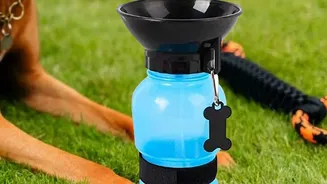
Having a dedicated bag for your pet's essentials can save you from last-minute panic. Pack their regular food to avoid digestive upset, along with plenty of fresh water and collapsible bowls. Include familiar items that smell like home, such as a favourite blanket or toy, as these can provide comfort in a new environment. Other essentials include a leash, waste bags, any necessary medications, and copies of their vaccination records and other travel documents. A basic pet first-aid kit containing items like antiseptic wipes, tweezers, and bandages is also a wise addition for any trip.
On the Day of the Journey
On travel day, try to maintain a calm and reassuring energy, as pets are highly attuned to their owners' emotions. A bit of exercise before leaving, like a walk or a play session, can help burn off nervous energy. To prevent nausea, it's best to feed your pet a light meal three to four hours before you depart, rather than right before leaving. During car trips, plan for breaks every two to three hours to allow your pet to stretch, drink water, and relieve themselves safely on a leash. Never leave your pet unattended in a parked car, as temperatures can become dangerous very quickly.