




The Rise of the Sleep Vacation
Forget packed itineraries and back-to-back sightseeing. A new travel philosophy is taking hold, and its main activity is rest. Sleep tourism is a wellness trend where the primary goal of a trip is to improve sleep quality. Instead of coming home more
exhausted than when you left, the entire point is to reset your body's clock in an environment optimized for deep, restorative slumber. This isn't just about finding a hotel with a comfy bed. It involves dedicated retreats and resorts that offer everything from soundproofed rooms and pillow menus to on-site sleep coaches and meditation workshops. The trend has emerged as a direct response to our increasingly busy and stressful lives, with many people seeking to escape the constant connectivity that disrupts natural rest patterns.
Why Millennials Are So Tired
Millennials, born between 1981 and 1996, are often called "the burnout generation" for a reason. Facing a combination of financial pressures, demanding careers, and the blurring of lines between work and life, this demographic reports high levels of chronic stress. This persistent state of hyperarousal makes it difficult for the brain to power down at night, leading to a vicious cycle of poor sleep and increased burnout. In fact, some reports show that nearly 70% of millennials experience insufficient or poor-quality sleep, with 43% admitting to using paid time off just to catch up on rest. For this group, a vacation isn't just a luxury; it's a desperate search for recovery.
The Hill Station Advantage
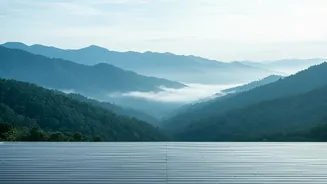
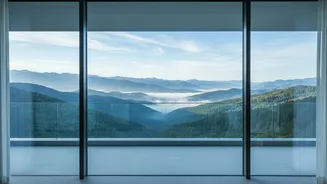
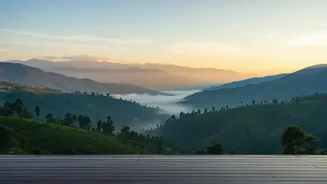
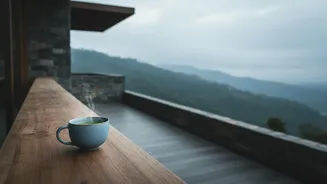
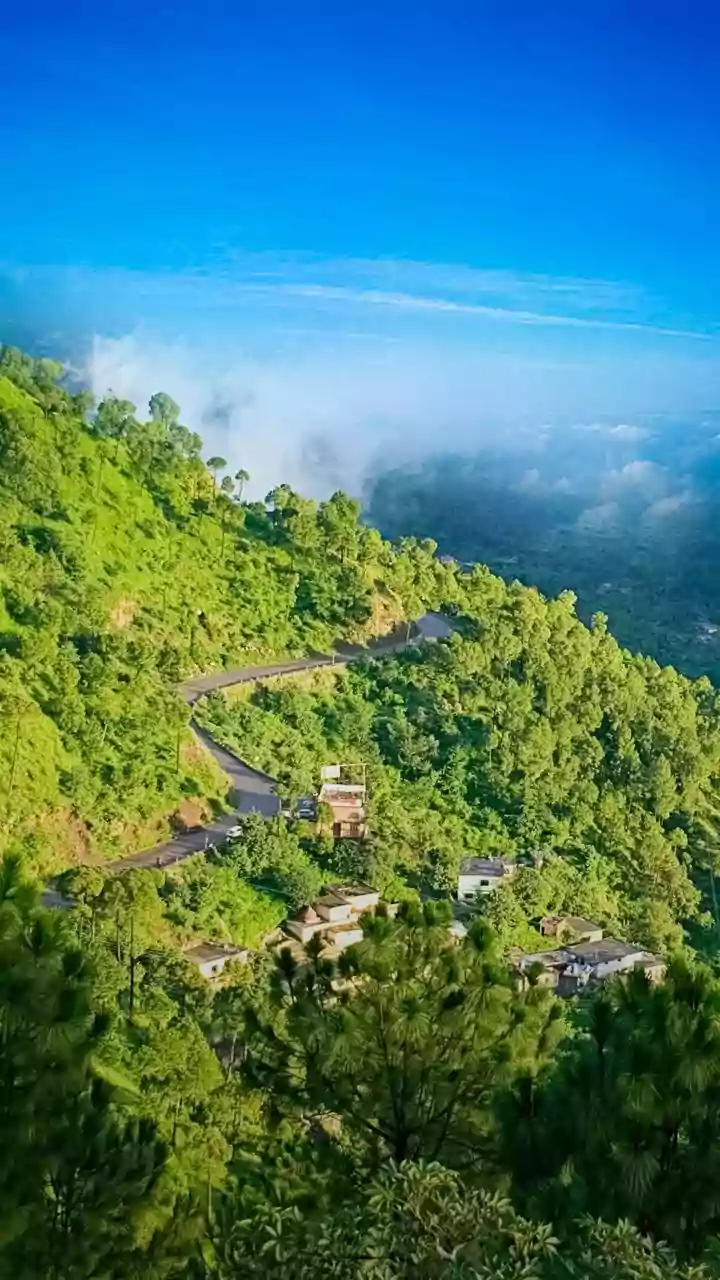
This is where peaceful hill stations come in. The environment itself becomes the main amenity. Trading city sirens for the gentle sounds of nature has a scientifically backed calming effect. Spending time in nature lowers cortisol, the body's primary stress hormone, and the fresh, oxygen-rich air at higher altitudes can support deeper breathing. More importantly, these remote locations provide a forced digital detox. By removing the constant pings and blue light from screens, your body gets a chance to resynchronize its circadian rhythm—the internal clock that governs your sleep-wake cycle. Exposure to natural light during the day and true darkness at night helps your brain produce melatonin correctly, paving the way for better sleep.
More Than Just a Long Nap
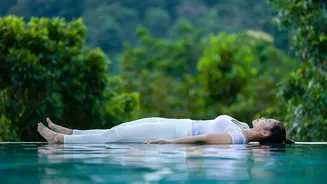
A true sleep-focused retreat is about building better habits, not just escaping for a weekend. Many programs are designed to teach guests techniques they can take home. This can include workshops on nutrition for sleep, guided nature walks, yoga sessions, and lessons in breathing exercises. The goal is to address the root causes of poor sleep, whether they're related to stress, environment, or behavior. By learning how to create a sleep-conducive environment and manage stress, travelers can turn a short-term vacation into a long-term investment in their health. The idea is not just to catch up on sleep, but to relearn how to sleep well in the first place.