









The Annual Race Against Spoilage
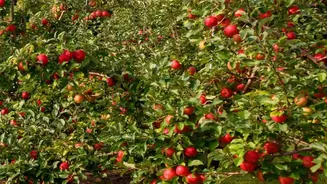
Every year, as harvest season arrives in the Kashmir Valley, apple growers face the same daunting challenge. With a short window from August to October, the market becomes flooded with produce. This glut causes prices to crash, forcing many farmers to sell
their year's labour at throwaway rates. For growers of heritage varieties like the prized Ambri, known for its unique aroma and flavour, the problem is even worse. These traditional apples often have a shorter shelf life than modern commercial types, making them highly susceptible to spoilage during transport and storage. Historically, post-harvest losses have been significant, with estimates suggesting up to 25-30% of produce going to waste due to inadequate storage and transportation bottlenecks, which can be worsened by highway closures. This not only represents a massive financial loss but also a threat to the region's rich agricultural biodiversity.
The Power of Collective Action
Rather than facing these market pressures alone, many Kashmiri farmers are turning to a time-tested model: cooperation. The rise of Farmer Producer Organisations (FPOs) and other cooperatives marks a significant shift in the region's agricultural landscape. These groups allow small and marginal farmers to pool their resources, share knowledge, and gain collective bargaining power. By working together, they can invest in infrastructure that would be out of reach for an individual grower. This collective approach helps them overcome challenges like high input costs, access to finance, and market linkages. Farmer cooperatives are becoming instrumental in organising the supply chain, from procuring quality pesticides to marketing the final produce, ensuring that more of the profit stays within the community.
A Technological Game-Changer: CA Storage
The single most transformative upgrade being driven by these cooperatives is the adoption of Controlled Atmosphere (CA) storage. Unlike conventional cold storage, which only controls temperature, CA facilities precisely regulate the levels of oxygen, carbon dioxide, and humidity. By reducing oxygen and managing other gases, the ripening process is dramatically slowed down. This technology can extend the shelf life of apples from a few weeks to over nine months, preserving their texture, crispness, and flavour. The expansion of CA stores, particularly in apple-rich districts like Pulwama and Shopian, has been a lifeline for growers. It gives them the power to hold their stock and sell it during the off-season when demand is high and prices are more favourable, effectively breaking the cycle of post-harvest distress sales.
Saving Kashmir's Heirloom Apples
This modern technology is proving crucial for the survival of Kashmir's heritage apple varieties. Traditional apples, while celebrated for their taste, often lose out to hardier, mass-market varieties simply because they couldn't withstand the long journey to market. Now, with CA storage, delicate varieties like Ambri can be preserved for months, allowing them to reach consumers across India in prime condition. This has revived interest in cultivating these heirloom crops, which are an integral part of Kashmir's cultural and agricultural heritage. By ensuring these apples can be stored and sold profitably, cooperatives are not just protecting yields; they are safeguarding a legacy. It allows farmers to diversify beyond the dominant Red Delicious variety and cater to niche markets willing to pay a premium for unique, traditional flavours.
The Economic Ripple Effect
The impact of upgraded cold storage is profound. Farmers who once earned between ₹550-₹650 for a box of apples can now command prices of ₹1,200-₹1,500 or more by selling their stored produce in the lean season. This increased income provides financial stability and allows growers to reinvest in their orchards, affording better quality inputs and farming techniques. The availability of CA storage also protects farmers from unexpected shocks, such as highway closures that can leave truckloads of perishable fruit stranded. While challenges remain, including ensuring quality control and managing storage costs, the overall strategy has been a resounding success. By regulating market supply, these facilities prevent price crashes and empower growers with unprecedented control over their economic destiny.