




The New Abnormal Monsoon
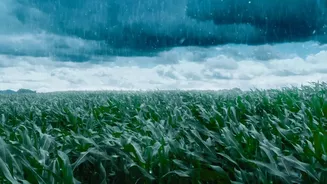
The predictable, gentle rains of the past are increasingly being replaced by a new, more volatile reality. Climate scientists observe a clear trend: fewer rainy days overall, but when it does rain, it's often a short, intense downpour. This means long
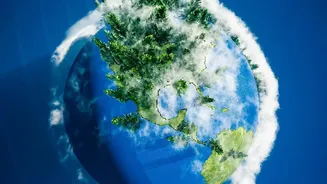
dry spells are punctuated by sudden floods. A 2023 analysis revealed that 55% of India's tehsils have seen an increase in southwest monsoon rainfall over the last decade, but this often comes in the form of these extreme, less useful, bursts. This shift is driven by factors including warming oceans and altered global atmospheric patterns, which are making the monsoon's behaviour harder to predict and manage. The result is a 'flood here, drought there' scenario that puts immense strain on natural and human systems alike.
Forests Under Stress
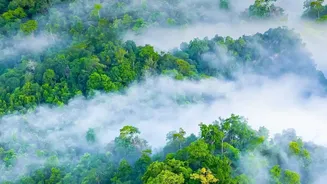
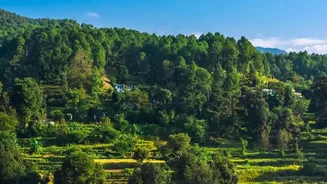
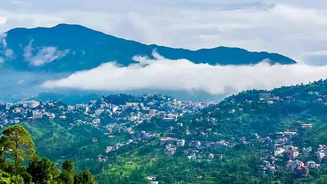
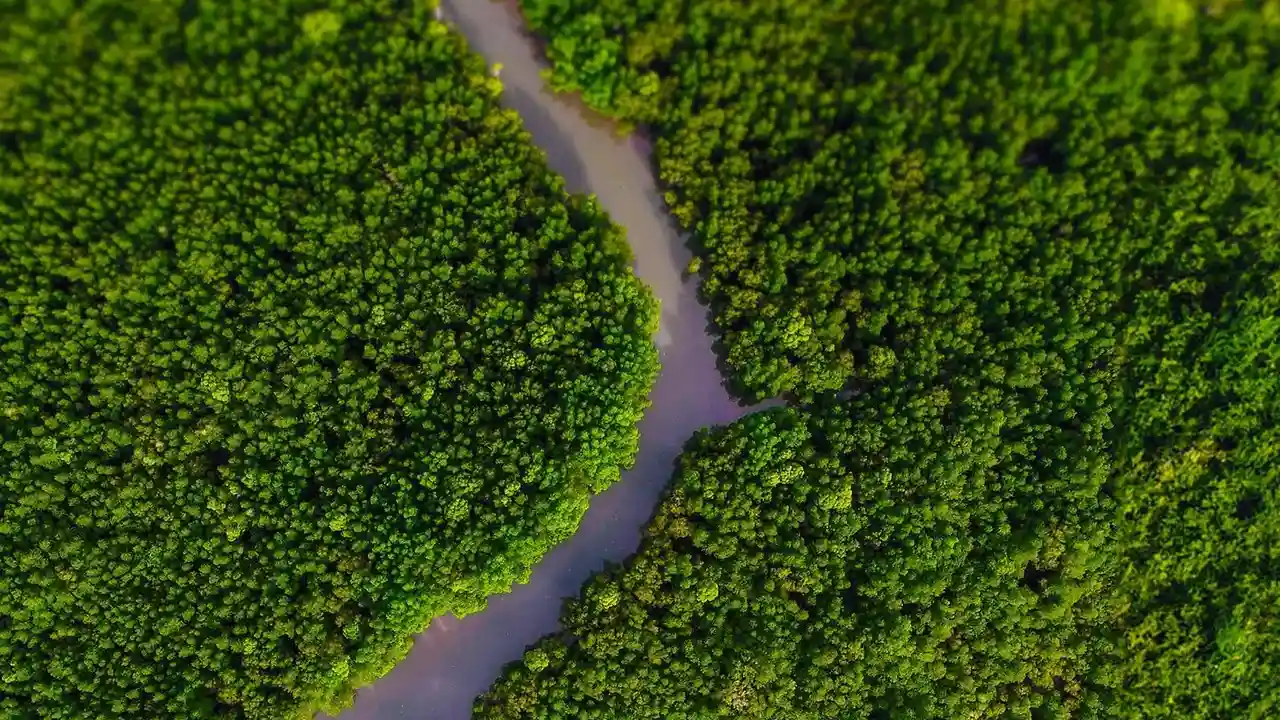
India's forests are finely tuned to seasonal rainfall, and these changes are pushing them to their limits. More intense rainfall leads to increased soil erosion, washing away the nutrient-rich topsoil that trees depend on. Conversely, the longer dry periods between these downpours create 'ecological droughts' — long-term moisture stress that can damage entire ecosystems. Studies in central India's Panchmarhi Biosphere Reserve, for instance, have shown significant forest cover loss linked to these climate shifts and an increased risk of forest fires. Some ecosystems may see a 'browning' trend as vegetation health declines, while others might shift from forest to savanna-like states. This not only affects biodiversity but also reduces the forests' ability to act as crucial carbon sinks.
A Ripple Effect on Wildlife
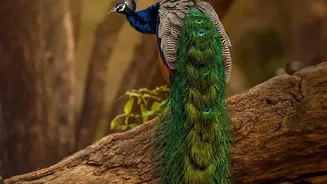
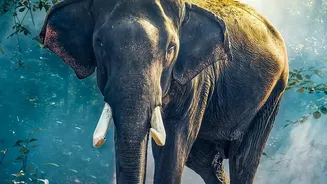
Animals, whose life cycles are intrinsically linked to the seasons, are struggling to adapt. Erratic rains disrupt breeding patterns for countless species. For amphibians like the Matheran Wrinkled Frog, which lays its eggs on damp rocks, a sudden break in the monsoon can be catastrophic, wiping out an entire generation. For larger animals, the challenges are different but no less severe. Elephants in southern India are forced to wander beyond their usual territories in search of water, increasing human-animal conflict. The changing vegetation patterns mean that the food sources for herbivores are less reliable, which in turn affects predators like the Bengal tiger. This mismatch between breeding cycles and food availability sends a disruptive ripple up the entire food chain, threatening India’s iconic biodiversity.
India's Water Cycle in Flux
The changes impacting forests and wildlife are also a direct threat to India's water security. Intense, short bursts of rain are inefficient for replenishing our most critical water source: groundwater. Instead of soaking into the ground, the water runs off the surface too quickly, contributing to floods while failing to recharge aquifers. This is a critical problem for a country that is one of the world's largest users of groundwater, especially for agriculture. Many regions are now experiencing falling water tables, forcing farmers to drill deeper wells and threatening future food security. Cities like Bangalore and Chennai have already faced 'Day Zero' scenarios, where municipal water supplies ran perilously low. The health of India's rivers, the reliability of its reservoirs, and the availability of clean drinking water are all tied to a monsoon that is becoming dangerously unpredictable.