

The Fire Risk in Today's Batteries
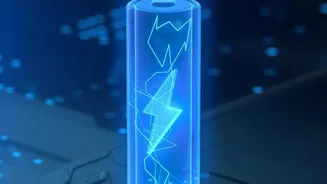
The heart of the issue lies within the electrolyte of a conventional lithium-ion battery. This substance, typically a liquid salt dissolved in an organic solvent, is crucial for allowing ions to flow between the battery's positive and negative electrodes,
which generates electricity. However, these organic solvents are highly volatile and flammable, with low flash points. If a battery is damaged, overcharged, or experiences a manufacturing defect, it can lead to a short circuit. This triggers a rapid temperature increase known as thermal runaway, where the flammable electrolyte can ignite, causing fires that are notoriously difficult to extinguish. This safety concern is one of the biggest challenges facing the widespread adoption of electric vehicles.
A Breakthrough From an Unlikely Source
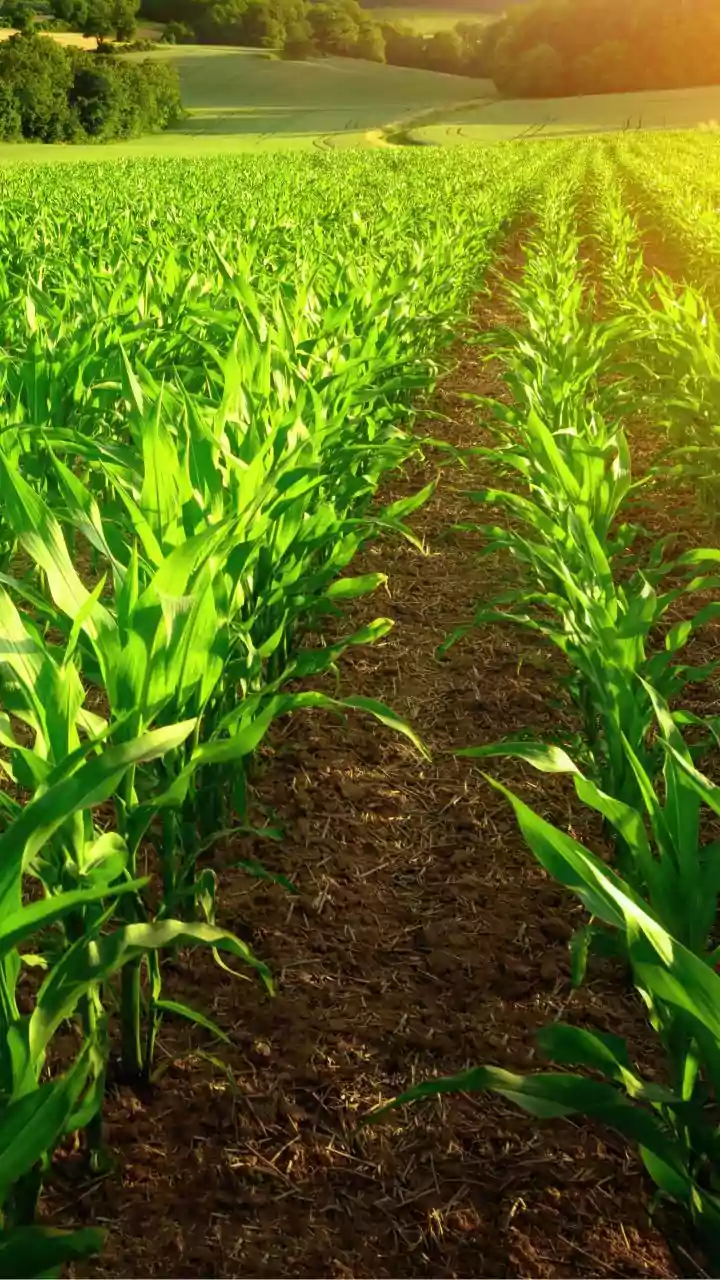
In the search for safer alternatives, scientists are now turning to an abundant and renewable resource: agricultural waste. Recent research has shown the potential to create novel electrolytes from biomass. Specifically, materials like lignocellulosic biomass—the tough, woody parts of plants often left behind after a harvest—can be processed to produce compounds suitable for batteries. One promising approach involves converting this waste into an 'ionic liquid'. Unlike the volatile solvents in current use, ionic liquids are essentially salts that are molten at room temperature. They possess high thermal stability and, most importantly, are not flammable, offering a much safer alternative.
The Science of Safer Energy
The process of turning farm waste into a battery component involves sophisticated chemistry, but the principle is elegantly simple. Researchers are developing ways to break down complex plant matter into useful base chemicals. For instance, a compound called 2-furoic acid can be derived from lignocellulosic biomass and then used to create a fluorine-free ionic liquid electrolyte. Studies confirm that these bio-based electrolytes are not only non-flammable but also electrochemically stable, meaning they can effectively perform the job of shuttling ions without breaking down or causing unwanted side reactions. This moves away from traditional, hazardous materials and toward what many hope will be a new generation of 'green' electrolytes.
A Win for the Environment and Economy
The implications of this technology extend far beyond just making EVs safer. For a country like India, which produces vast amounts of agricultural residue annually, this innovation represents a significant 'waste-to-wealth' opportunity. Instead of being burned, which contributes to air pollution, this waste could become a valuable raw material for a high-tech industry. This creates a circular economy, reducing reliance on mined resources and providing an additional income stream for farmers. The shift toward bio-based components reduces the environmental footprint of battery production, which currently depends on materials that can be toxic and non-renewable.
The Road Ahead to Commercialisation
While the promise is immense, it's important to recognise that this technology is still in the research and development phase. The primary challenge lies in scaling up production from the laboratory to an industrial level at a competitive cost. The performance of these new bio-electrolytes must also consistently match or exceed that of current commercial batteries in terms of energy density, charging speed, and lifespan. Researchers are focused on refining these materials to ensure they are compatible with existing battery manufacturing processes and can withstand thousands of charge and discharge cycles. Though it may be some years before these batteries power our cars, the path toward a safer, more sustainable EV future is becoming clearer.