



Recognising the Signs of Distress
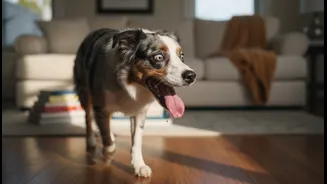
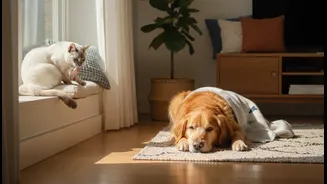
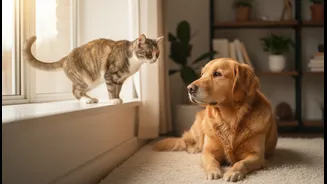
Understanding when your pet is scared is the first step. Noise aversion, or phobia, can manifest in various ways, and signs often worsen without intervention. For dogs, this can include trembling, pacing, panting, drooling, excessive barking, or trying
to hide or escape. Cats often show their distress more subtly by hiding, excessively grooming, losing their appetite, or becoming unusually vocal. Recognising these behaviours as signs of fear, not naughtiness, is crucial for helping your companion.
Create a Calming Safe Haven
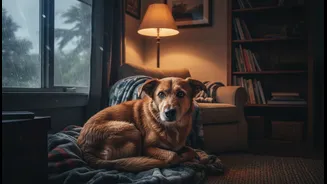
One of the most immediate things you can do is create a designated 'safe space'. This should be a quiet, comfortable area where your pet can retreat during a noisy event. An interior room with few or no windows, like a bathroom or a covered crate, works well to muffle sounds. Fill this space with their favourite blankets and toys to create a positive association. The key is to make this den available at all times so your pet can go there voluntarily when they feel scared. Don't force them inside, as this can increase their anxiety.
The Power of Ambient Soundscapes
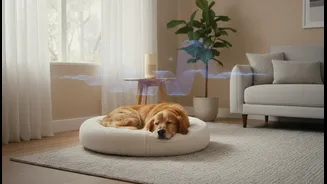
Masking startling noises with a consistent, calming sound is a highly effective strategy. This is where ambient soundscapes come in. Playing a white noise machine, a fan, or even a television can help drown out triggering external sounds like thunder or traffic. Studies have found that certain types of music are particularly effective. For dogs, classical music, soft rock, and reggae have been shown to reduce stress. Cats tend to respond well to classical music or specially composed 'cat-specific' music that uses feline-friendly frequencies and tempos. The volume should always be kept low, as pets have much more sensitive hearing than humans.
Behavioural Training for Long-Term Relief
For a long-term solution, experts recommend behavioural training techniques like desensitisation and counter-conditioning. Desensitisation involves exposing your pet to a recording of the scary noise, like fireworks, at a very low volume that doesn't trigger fear. Over many sessions, you gradually increase the volume as your pet remains calm. Counter-conditioning is the process of changing your pet's emotional response by pairing the scary sound with something they love, like a special treat or a fun game. The goal is to make them associate the noise with a positive experience. This process requires patience and should always end on a positive note.
Other Calming Aids and Strategies
Several other products and strategies can complement your efforts. Pheromone diffusers, which mimic the natural calming pheromones of animals, can help create a relaxing atmosphere. For some dogs, gentle pressure wraps or shirts can have a soothing effect during stressful events. It’s also helpful to maintain a predictable daily routine for feeding, walks, and playtime, as this provides a sense of stability that can reduce overall anxiety. During a noisy event, distracting your pet with a food puzzle or a favourite game can also help if they are not too fearful to engage.
When to Consult a Veterinarian
While these strategies can be very effective, severe cases of noise anxiety may require professional help. If your pet's fear is intense, causes them to harm themselves, or isn't improving, it's important to speak with your veterinarian. They can rule out any underlying medical issues, such as pain, that might be contributing to the sensitivity. A vet can also discuss the possibility of anti-anxiety supplements or prescription medications, which can be invaluable tools to help your pet cope during unavoidable noise events and facilitate behavioural training.