





The perfect paratha is a thing of beauty: soft, flaky, and packed with a delicious filling. Achieving that melt-in-your-mouth 'reshmi' texture while stuffing it with vegetables can be tricky. Here is your guide to getting it right every time.
The Secret to a Silky 'Reshmi' Dough
The word
'reshmi' translates to 'silky', and that's exactly the texture we want in our paratha dough. The secret lies in the ingredients you use for kneading. While a standard paratha dough uses whole wheat flour (atta) and water, a reshmi paratha often incorporates enriching agents. Using lukewarm milk or a few tablespoons of yoghurt (dahi) instead of just water can make the dough incredibly soft. Adding a tablespoon of ghee or oil during the kneading process also contributes to its elasticity and pliability. Knead the dough for a good 10-15 minutes until it is smooth and supple, then let it rest, covered with a damp cloth, for at least 20-30 minutes. This resting period allows the gluten to relax, making the dough easier to roll without tearing.
Choosing and Prepping Your Vegetables
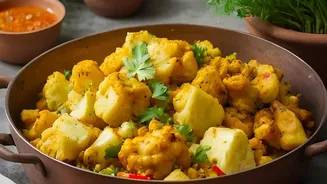
The beauty of a vegetable-packed paratha is its versatility. A combination of finely grated vegetables works best. Popular choices include carrots, cabbage, cauliflower, and capsicum. Boiled and mashed potatoes act as a great binder for the filling. The most critical step in preparing the filling is managing moisture. Excess water from the vegetables will make the filling soggy and cause the paratha to tear while rolling. To prevent this, always grate or chop your vegetables very finely. For watery vegetables like radish or cabbage, you can add a little salt, let it sit for a few minutes, and then squeeze out all the excess liquid before mixing with other ingredients. Alternatively, you can lightly sauté the chopped vegetables for a few minutes to cook off their moisture.
Crafting a Flavourful, Dry Filling
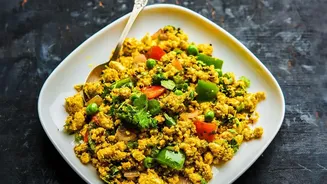
Once your vegetables are prepped and dry, it's time to build the flavour. A well-spiced filling is the heart of the paratha. Start by heating a little oil and tempering it with cumin seeds (jeera). You can also add aromatics like finely chopped ginger, garlic, and green chillies. Add your prepared vegetables and a blend of dry spices. Classic paratha spices include turmeric (haldi), red chilli powder, coriander powder, and a touch of garam masala for warmth. Amchur (dry mango powder) can add a pleasant tang. Sauté this mixture for a few minutes until it's fragrant and completely dry. It's crucial that the filling cools down to room temperature before you start stuffing the parathas. A hot filling will steam the dough from the inside, making it weak and prone to breaking.
The Art of Stuffing and Rolling
This is where technique matters most. Divide your rested dough and cooled filling into equal-sized balls. Gently flatten a dough ball with your fingers, creating a small cup. Place a ball of filling in the center. Bring the edges of the dough together and pinch them at the top to seal the filling inside completely. It's important not to overstuff the paratha, as this puts too much pressure on the dough. Once sealed, gently flatten the stuffed ball with your palm. Lightly dust your rolling surface and begin to roll the paratha using very light, even pressure. Avoid pressing down hard in the center; instead, focus on rolling from the center outwards or concentrating on the edges, which helps the filling spread evenly without bursting through the dough.
Cooking to Golden-Brown Perfection
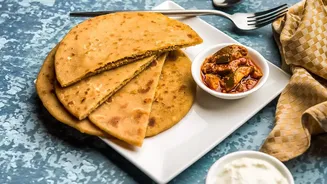
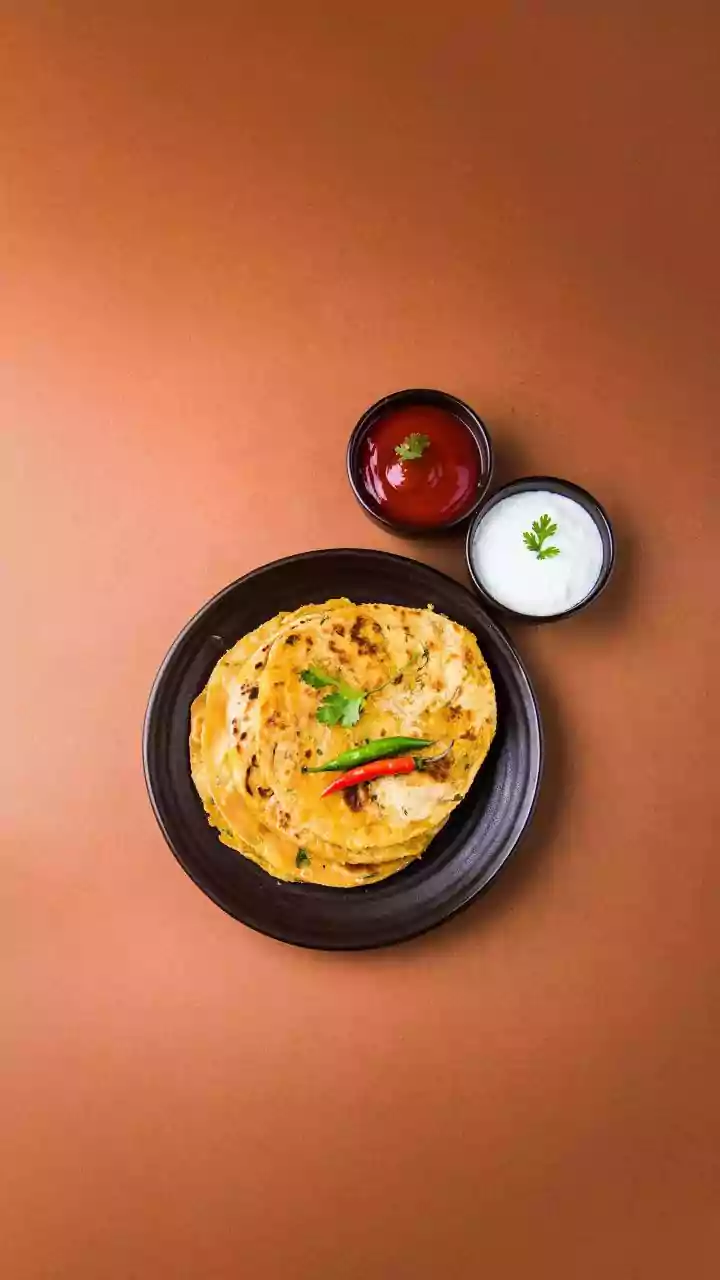
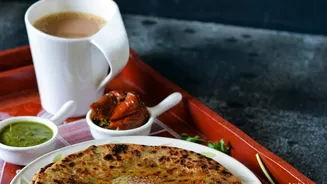
Heat a tawa or flat-bottomed pan over medium heat. Place the rolled paratha on the hot tawa. Let it cook for about a minute until you see small bubbles forming on the surface. Flip it over and apply a light layer of ghee or oil. Flip again and apply ghee or oil to the other side. Press down gently with a spatula, especially around the edges, to ensure it cooks evenly. Continue to flip and cook until both sides have beautiful golden-brown spots and the paratha is cooked through. The key is to maintain a steady medium heat; if the tawa is too hot, the paratha will burn on the outside before the inside is cooked. If it's not hot enough, the paratha will become hard.