







The Last-Mile Problem
In the world of aviation, the glamour of a new airport—with its expansive terminals and promises of global connectivity—can be intoxicating. India is in the midst of an unprecedented airport construction and expansion boom. However, a world-class airport is only
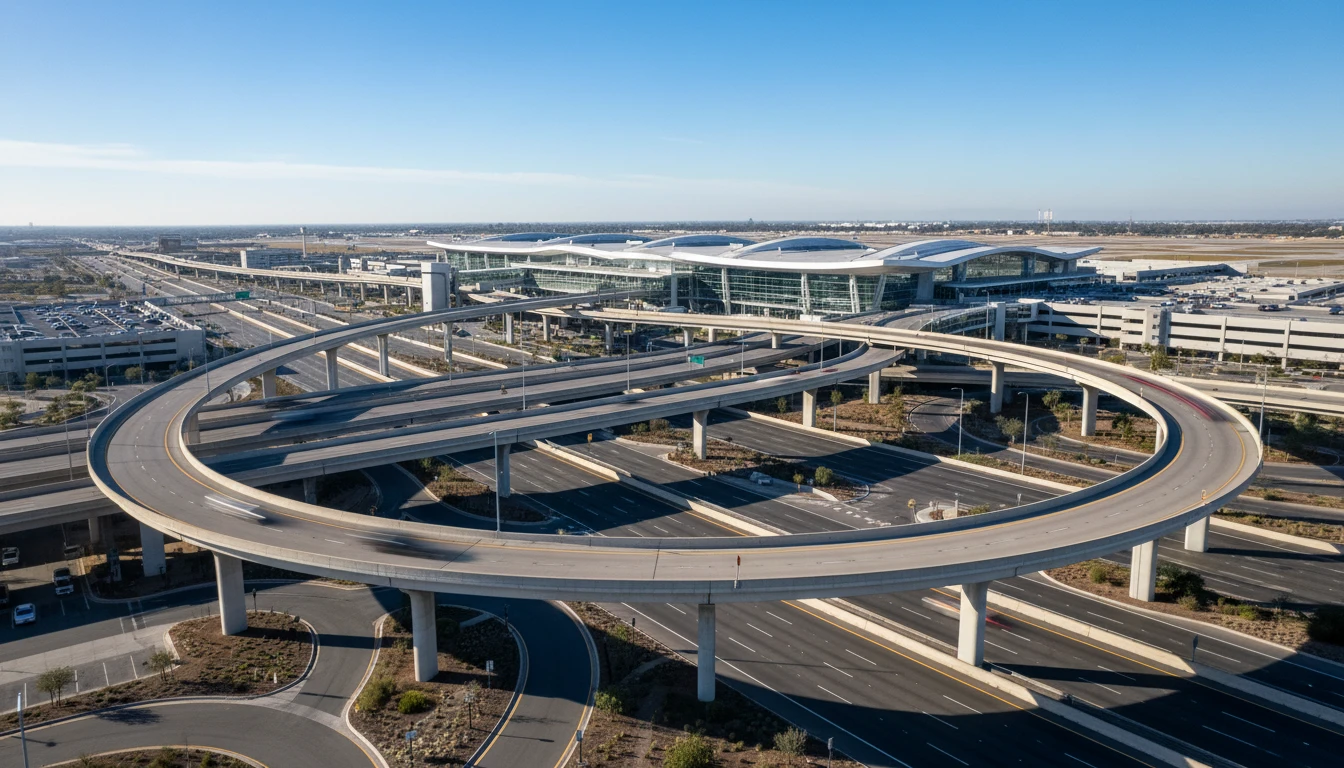
as good as the traveller's ability to get to it. Surface connectivity, the network of roads, highways, and public transport that feeds an airport, is proving to be a critical, and often overlooked, challenge. Without seamless and predictable access, even the most advanced airports can struggle to reach their full potential, impacting passenger experience, airline decisions, and regional economic growth. This is the last-mile problem, and it's playing out in real-time at two key locations: Indore's Devi Ahilya Bai Holkar Airport and the brand-new Navi Mumbai International Airport.
Indore's Ambitions Hit a Roadblock
Indore's Devi Ahilya Bai Holkar Airport is the busiest in Central India, reflecting the city's economic dynamism. After a suspension of over four months, international flights are set to resume on July 15, 2026, with a new Air India Express service to Abu Dhabi. This restores a vital overseas link for the region, which had previously been served by flights to Sharjah. The airport has undergone significant upgrades, including a renovated terminal building to boost passenger capacity. However, the path to these international flights is fraught with difficulty. The airport's expansion has been hampered for years by land acquisition issues and challenges in rerouting local traffic. The primary access roads are often congested, and a dedicated metro link, though planned, is still a distant prospect. For a city aspiring to be a major international gateway, the journey to the airport can deter both travellers and airlines.
Navi Mumbai's Race Against Time
Set to commence international passenger and cargo operations on July 15, 2026, the Navi Mumbai International Airport (NMIA) is a monumental project designed to alleviate pressure on the congested Mumbai airport. Built by the Adani Group, the airport has already been lauded for its design. Authorities have planned a multi-modal web of connectivity to serve it, including the recently opened Mumbai Trans Harbour Sea Link (MTHL), which has already slashed travel times to the area. Several metro lines, including a direct link between the old and new airports (Metro Line 8), are also planned. The critical question, however, is one of timing. While the airport is set to open, many of these vital connectivity projects are still under construction or in planning stages. The initial experience for travellers might be marred by last-mile connectivity issues, a problem that has already been noted since domestic operations began in late 2025. For the airport to handle its projected surge in passengers, from 20,000 to 50,000 daily by the end of 2026, all these transport links need to be operational and efficient.
The Broader National Picture
The experiences of Indore and Navi Mumbai are not unique. They are emblematic of a broader challenge across India's aviation landscape. The government's regional connectivity scheme, UDAN, has led to the construction of numerous airports in smaller cities, but many have struggled with viability. Experts point to a recurring pattern: infrastructure is built, but often without adequate studies of demand or the supporting ground transport needed to make the airport accessible and economically sustainable. An airport without reliable access is like a high-end smartphone with no network signal—powerful, but ultimately isolated. For airlines, the decision to launch a new route, especially an international one, depends heavily on the ease of passenger access and the predictability of their journey to the airport. Delays and traffic jams on the ground can erode the time savings offered by air travel, making certain airports less attractive.