




What Are These Smart Coatings?
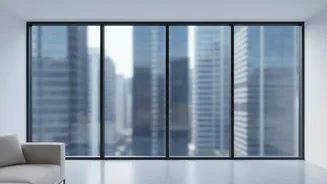
Thermo-responsive window coatings, also known as thermochromic films, are an advanced material applied to glass that changes its properties based on temperature. Think of it like a self-tinting pair of sunglasses for your house. When the sun beats down
and the window heats up, the coating automatically darkens or becomes more reflective to block incoming solar heat. As the temperature cools, the window returns to its clear state, allowing more natural light through. Unlike other smart glass that may require an electrical current, this passive technology works automatically, powered by the sun's own energy.
How They Keep Your Home Cool
The magic lies in specialised materials, often based on vanadium dioxide nanoparticles, embedded within a thin film. These particles are engineered to react at a specific temperature threshold. When the glass gets hot from direct sunlight, the molecular structure of the coating changes, allowing it to reflect near-infrared (NIR) radiation, which is the part of the solar spectrum that we feel as heat. By blocking a significant portion of this solar heat from entering the room, the coating helps maintain a cooler indoor temperature, reducing the strain on your air conditioning system. This means your AC doesn't have to work as hard or as often to keep you comfortable.
The Real Payoff: Energy Savings
The primary driver for adopting these coatings is the potential for significant energy savings. Studies and simulations have shown that dynamic window technologies can lead to a substantial reduction in cooling costs. Some reports suggest that solar control films can cut air conditioning expenses by as much as 30 percent. In hot climates, their effectiveness is even more pronounced. While the exact savings depend on factors like your city's climate, window orientation, and electricity rates, the principle remains the same: less solar heat gain equals less need for artificial cooling. This not only lowers your monthly power bill but also reduces your home's overall carbon footprint.
More Than Just Lower Bills
The benefits of thermo-responsive coatings extend beyond just saving money. By automatically managing the amount of sunlight entering a room, they significantly reduce glare, making it more comfortable to work on a laptop or watch television during the day. They also block a high percentage of harmful ultraviolet (UV) rays—often up to 99 percent. This helps protect your furniture, curtains, flooring, and artwork from fading and sun damage over time. Furthermore, by keeping indoor temperatures more stable, they create a more consistently comfortable living environment year-round without constantly having to draw the blinds or curtains.
What to Consider Before Installing
Thermo-responsive technology can be applied in two main ways: as a retrofit film on existing windows or as integrated smart glass in new windows. Films are a more affordable and less permanent option, with costs often calculated per square foot. They are a great way to upgrade your current windows without a full replacement. Integrated smart glass, while more expensive, is a durable, long-term solution built directly into the window unit. In India, several companies offer various types of smart films and switchable glass solutions, primarily targeting urban centres like Bangalore, Mumbai, and Delhi. It's wise to consult with a professional installer who can assess your needs and recommend the right product for your home's specific conditions.